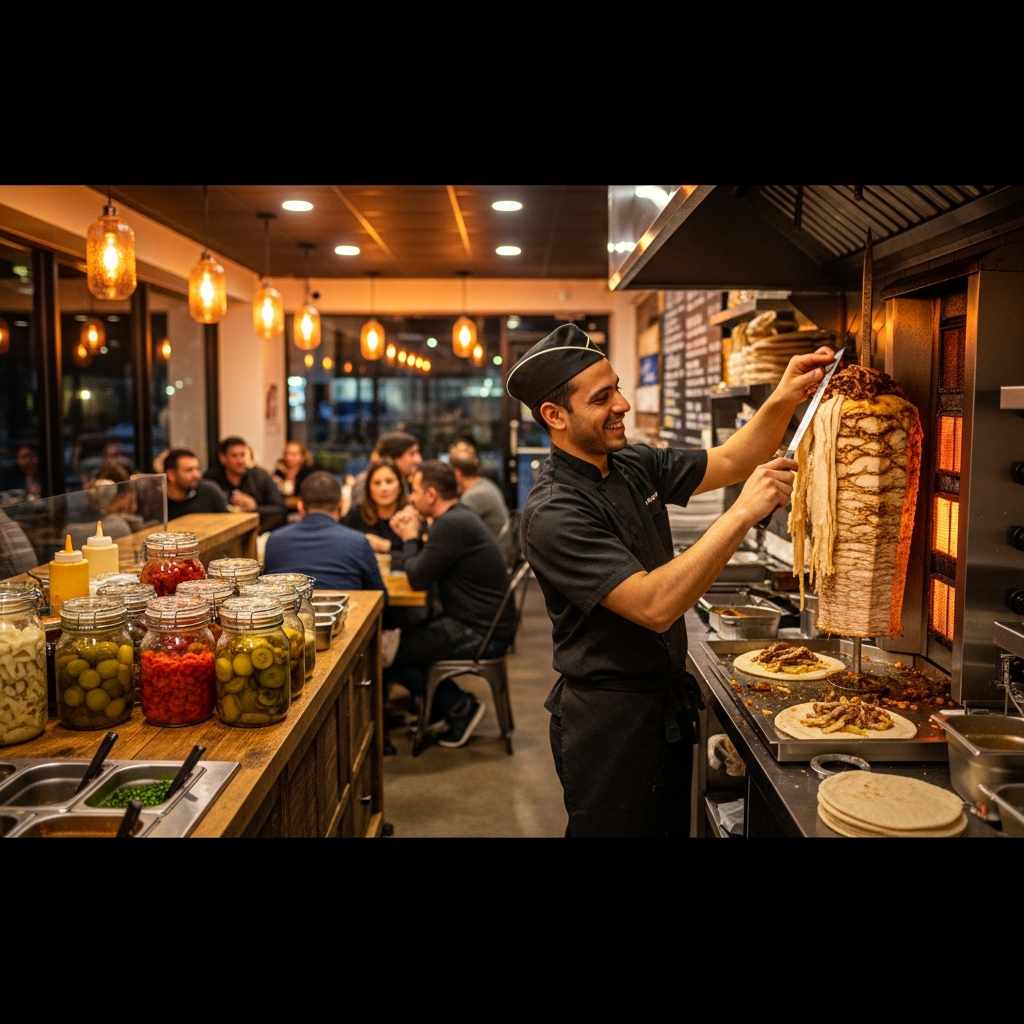
Ask a longtime Naperville resident what the city tastes like and you’ll hear an answer with many notes: sweet corn from summer markets, pizza after a Friday night game, and, increasingly, the warm spice and gentle char of shawarma. The sound of a blade shaving ribbons from a vertical spit has become part of the neighborhood soundtrack, right alongside the chatter on Water Street and the hum of traffic on Route 59. This is not an accident. Shawarma captures the city’s multicultural spirit while suiting the fast, family-oriented rhythm of life in the western suburbs. If you’ve ever peered at a glowing rotisserie while deciding between chicken, beef, or a vegetarian bowl, you know the pull of this tradition. To see the full range of what’s possible, it pays to scan the menu and notice how local kitchens interpret the classic with Naperville sensibilities.
What makes shawarma matter to our food culture is not just taste, but the way it draws people together. A dish that accommodates preference and tradition at the same time reunites friends after a North Central College performance, powers families through a busy Saturday on the Riverwalk, and gives commuters a satisfying bite before they board the evening Metra. Shawarma sits comfortably at that intersection where heritage meets convenience, which is exactly where a modern suburban community thrives.
A bridge between histories on the prairie
Naperville has grown through waves of newcomers bringing their culinary memories with them. Shawarma, with its roots in the Levant and broader Middle East, offers a delicious language for those stories. When you stand at a counter and watch meat turning slowly, you witness a living tradition adapted to a Midwestern setting. The cook’s gestures—checking the heat, listening for the sizzle as slices hit the griddle—mirror movements repeated across generations, now part of our local rhythm.
Food like this encourages conversation. I’ve seen diners swap childhood memories while comparing sauces, explaining the role of sumac or why their grandmother added extra parsley. In Naperville, where neighbors often come from different backgrounds, shawarma provides a neutral and tasty ground for curiosity. You taste something new and familiar at once, and that paradox invites you to ask questions, share stories, and find common ground at the table.
Everyday convenience with real craft
It’s easy to label shawarma “fast food,” but doing so misses the craft beneath the speed. Marination takes hours. The stacking and balancing of the spit demand experience. Seasoning isn’t just a formula—it’s a sense of proportion honed over countless batches. When you order a quick lunch on Jefferson Avenue, you’re tapping into that accumulated knowledge. The result is a meal that feels handcrafted even when it reaches you in minutes.
This blend of craft and convenience suits Naperville’s cadence. Parents juggling school pickups and practices need food that arrives quickly without sacrificing depth. Students want something affordable in time, not just in dollars, that won’t weigh them down before a lab or rehearsal. Shawarma answers those needs with grace, giving you layers of flavor that feel deliberate rather than rushed.
Adaptable to seasons and settings
Our city’s foodways change with the calendar. Summer draws crowds to patios, the Riverwalk, and backyard gatherings; winter brings cozy nights and snow-softened streets. Shawarma morphs easily between those contexts. In July, a chicken shawarma salad with bright cucumbers and tomatoes feels right at home next to iced tea and laughter on a porch. In January, beef or lamb over warm rice becomes a small, welcome fire, the kind that draws your shoulders down and your breath deeper after shoveling the driveway.
And shawarma travels well. Wrapped neatly, it’s picnic-ready; packed in bowls, it stacks easily for office lunches. I’ve seen families turn the trunk of an SUV into an impromptu serving station after a Saturday morning tournament. The communal ease of shawarma—tear, share, pass the sauces—makes it one of our city’s most low-stress ways to feed people well.
The Naperville palate: bright, balanced, and bold when asked
There’s a particular style of flavor that plays well here. We like freshness—herbs that taste just-chopped, vegetables that crack when you bite. We like balance—acidity from pickles to lift fattier bites, creamy sauces that soften heat without smothering it. And we like options for boldness. Ask any local who loves a little kick, and they’ll tell you how a dot of chili sauce can nudge a familiar wrap into thrilling territory.
Shawarma naturally delivers on that trifecta. The interplay of cumin, coriander, garlic, and paprika lays the foundation. Pickles and lemon bring a high note that rings above the bass of roasted meat. Tahini and yogurt-based sauces round off the edges with a quiet, nutty richness. This range of tones lets diners dial in their personal settings, which is a big part of why shawarma has diffused through the city so quickly.
Small choices that shape a shared table
If you’ve lived in Naperville for a while, you know shared meals are our social glue. From Little League banquets to neighborhood block parties, the simplest way to get people talking is to pass food. Shawarma’s format supports that dynamic beautifully. It’s tidy enough to eat on your feet, yet substantial enough to hold its own as a centerpiece. You can bring a tray of wraps to a backyard, unwrap them, and watch a circle form as folks reach for their favorite combinations.
That accessibility matters. It means you don’t have to be an expert to participate in the culture. You only need curiosity and an appetite. As you taste your way around town, glance at the menu at different spots and notice how each cook puts a thumbprint on tradition—more garlic here, a smokier paprika there, a garden’s worth of herbs in another corner of the city. Variety within a familiar form gives us a shared starting point and a reason to keep exploring.
Food businesses that feel like neighbors
Another reason shawarma stands out in Naperville is the way shops weave themselves into the community. Owners remember regulars’ orders, ask after kids’ games, and sometimes tuck in an extra pickle spear for the little one who loves them. This hospitality reflects the best of our local character: practical kindness with a sense of pride in service. It also reinforces a feedback loop where food evolves in response to the people it feeds.
When the community asks for something—more vegetarian options, extra-crisp edges, sauces with different heat levels—shawarma shops tend to listen. That responsiveness is a hallmark of a living food culture. We aren’t just consumers; we’re co-authors, nudging the city’s flavor in small ways each time we order.
Learning by tasting: a gentle education
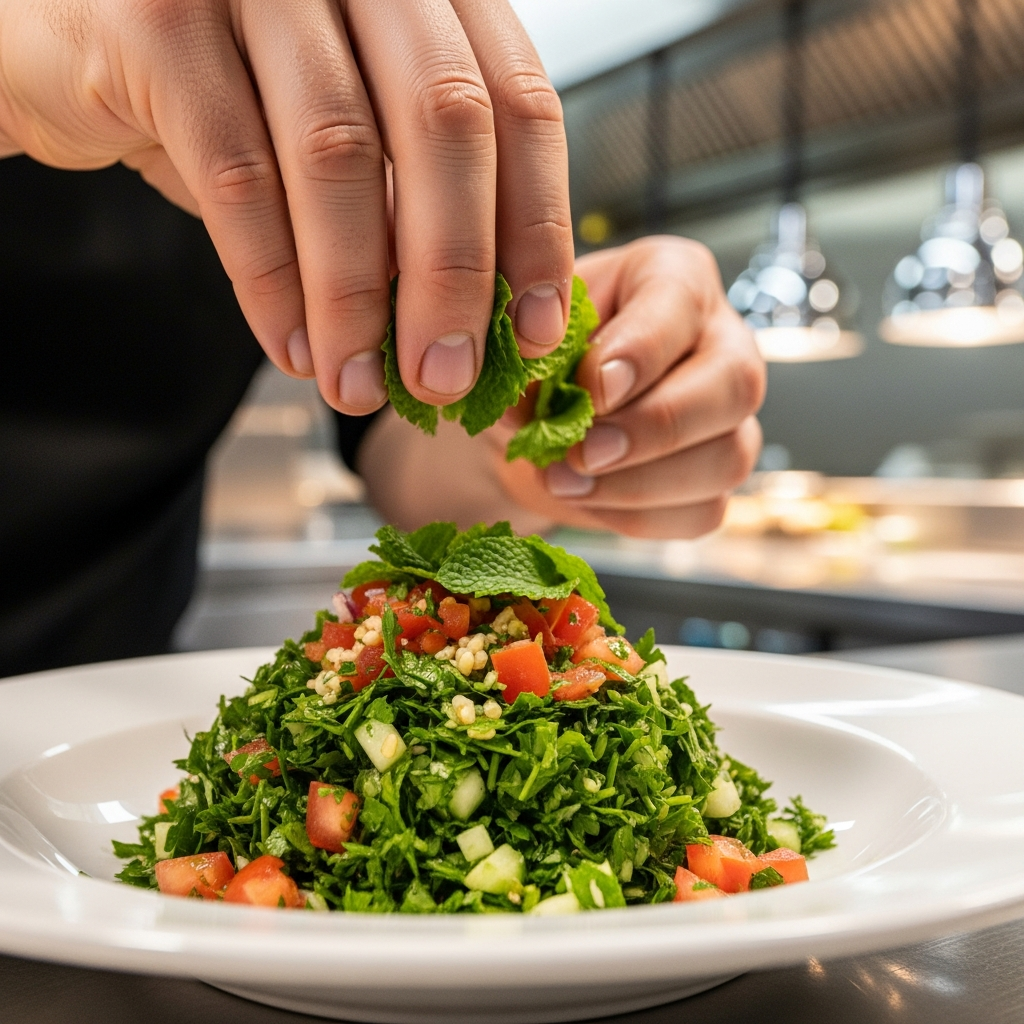
For many Naperville families, shawarma is a first step toward a wider appreciation of Middle Eastern cuisine. Children nibble on chicken and cucumbers today and find themselves, a year later, reaching for hummus, tabbouleh, or roasted eggplant with real enthusiasm. This organic learning matters because it expands palates without pressure. Over time, the city’s taste buds grow more adventurous, and that curiosity spills over into other food traditions as well.
Schools, churches, and community groups often host events where shawarma appears alongside other global dishes. That visibility normalizes culinary diversity in the most welcoming way: by offering a delicious bite. Food is one of the gentlest teachers we have, and shawarma is a memorable lesson in how flavor and story come wrapped together.
Rituals that mark our days
Ask around and you’ll hear little rituals attached to shawarma in Naperville. A late-night chicken wrap after a concert. A shared plate of beef and rice to celebrate finishing a big project. A picnic near the quarry lakes with warm pita, extra pickles, and the sound of kids chasing each other under the trees. These rituals anchor us, turning ordinary days into something we look forward to repeating.
In a suburban city where schedules can rule, rituals like these bring spontaneity back to the table. They create footholds for memory. Years from now, a parent might say, “Remember those summer nights by the Riverwalk, just us and a couple of shawarma wraps?” and everyone will smile, tasting the lemon and garlic all over again.
Respect for craft keeps quality high
The hallmark of a healthy food culture is consistency born of craft. Local shawarma makers know that marination time matters, that fat should render gently, and that fresh vegetables turn a good wrap into a great one. They also know when to say no—to cutting corners, to over-saucing, to letting the spit sit past its prime. Diners feel this commitment in every bite, even if they can’t articulate why one wrap simply tastes more alive than another.
This level of care builds trust. It’s why residents recommend their favorite spots to new neighbors, why teams choose shawarma for post-game meals, and why a quiet Wednesday night can still feel special with a well-seasoned plate. Trust is the invisible infrastructure of our food scene, and shawarma shops have a knack for maintaining it.
Shawarma as a canvas for Naperville’s future tastes
Because shawarma is adaptable, it becomes a canvas for innovation. We’ve seen roasted vegetables take a larger role, with cauliflower or mushrooms soaked in the same spices as meat. We’ve tasted bright, herby bowls that emphasize freshness, and we’ve welcomed ever-crisper edges and bolder spice blends as demand grows. These subtle shifts keep the tradition vibrant without breaking its core identity.
It’s exciting to imagine what the next five years will bring. Perhaps more local produce will find its way into seasonal specials. Perhaps neighborhood events will feature shawarma bars where guests build their own combinations. However it unfolds, the dish will keep teaching us that a city’s palate is not fixed—it’s a living conversation.
Frequently asked questions about shawarma’s cultural role
Why has shawarma become so popular in Naperville? It balances convenience with craftsmanship, adapts to different tastes, and fits easily into family and community settings, from school nights to summer picnics.
Does shawarma represent a single culture? Shawarma has roots in the Middle East, but in Naperville it also reflects the mosaic of residents who have embraced and adapted it, making it part of our shared food language.
Is it a good choice for group events? Yes. Wraps and bowls travel well, serve a range of preferences, and invite easy sharing. They also hold up at room temperature long enough for an unhurried gathering.
How does shawarma influence kids’ eating habits? It often acts as a gateway to broader flavors, helping children explore herbs, spices, and vegetables in a friendly format they already enjoy.
What distinguishes a great local shawarma? Careful marination, fresh vegetables, balanced sauces, and a respectful shave-and-sear that crisps edges without drying the meat.
How do I keep discovering new flavors? Revisit the classics with small tweaks—try a different protein, swap a base, or add heat. Browsing the menu can spark ideas you might not have considered.
Bring the city’s flavor home tonight
If you’re looking for a meal that tastes like Naperville at its best—welcoming, lively, and grounded in real craft—shawarma is waiting. Pick a protein you’re excited about, add the vegetables that make you feel bright and energized, and give sauces a thoughtful, supporting role. When you’re ready to plan a family dinner, a post-practice bite, or a riverside picnic, glance at the Naperville shawarma menu and picture how your table will come together. Then take that first warm, fragrant bite and let the city’s food culture meet you where you live.