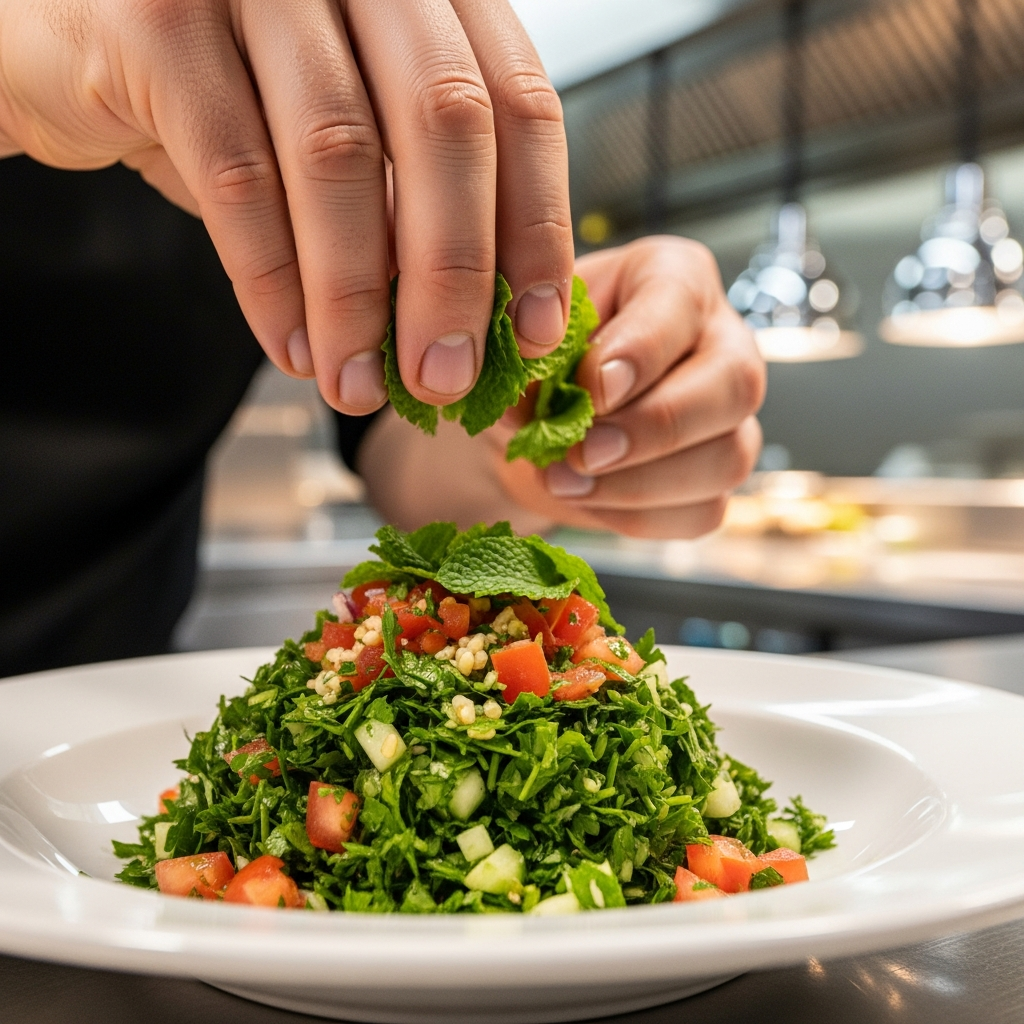
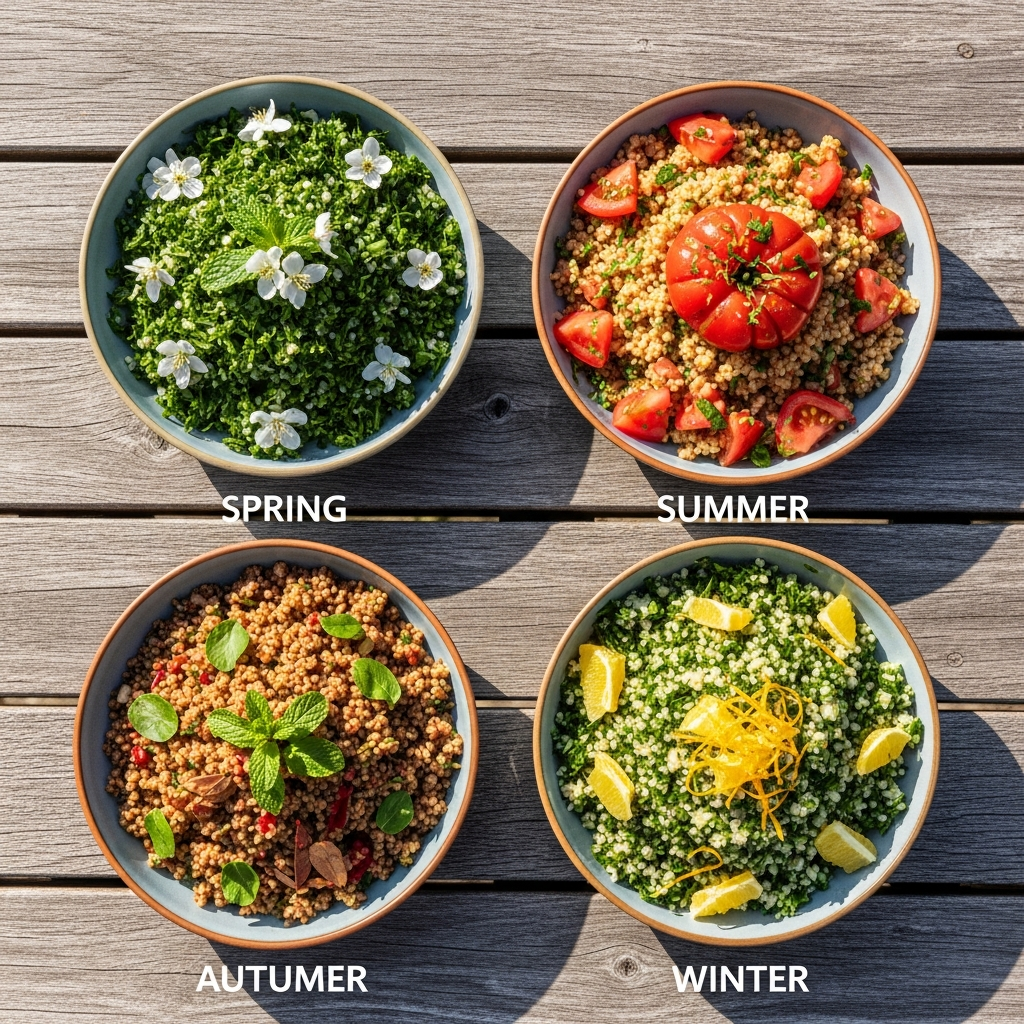
Living in Naperville means embracing the rhythm of real seasons, and if you love taboili—sometimes spelled tabouli or tabbouleh—you quickly learn that each quarter of the year offers its own window for peak flavor. Our springs are tender and green, summers are tomato-bright and energetic, falls are steady and mellow, and winters ask for brightness drawn from citrus and pantry staples. Through it all, the salad’s essentials remain: chopped parsley and mint, juicy tomatoes, a lemony olive oil dressing, and a light grain like bulgur or quinoa. For anyone seeking dependable, fresh meals that match our local climate and pace, taboili is an anchor. And if you’re searching for pairing ideas or a spark of culinary direction, browsing a thoughtful local Mediterranean menu can help frame seasonal combinations that feel just right in Naperville kitchens.
Seasonality matters here because our produce changes drastically from March to January. The parsley you buy in April is all perfume and soft stems; by late summer it can be deeper green and sturdier, perfect for a finely chopped, hearty bowl that stands up at a backyard party. Tomatoes follow a similar arc, exploding with sweet acidity during July and August, then giving way to greenhouse or vine-on options as fall closes in. Paying attention to those shifts is the key to serving a taboili that feels in tune with the weather outside your front door.
Spring: Gentle Herbs And A Lighter Hand
In spring, Naperville wakes up to farmers market whispers and the first serious sunshine along the Riverwalk. This is when herbs taste the most tender and fragrant, and your knife can do the least work while still achieving a refined chop. I like to celebrate that tenderness by keeping the grain content particularly light in March and April, allowing parsley and mint to dominate. The lemon can be softer too, sometimes combined with just a touch of zest for perfume without tipping the balance toward sharpness. If you spot radishes or young green onions, fold a bit in; their peppery lift echoes spring’s energy.
Storage in spring is straightforward: cooler evenings mean your salad stays crisp for a day or two without much fuss. Keep it in a covered glass container to protect the aroma of fresh herbs from the rest of the fridge. If you’re hosting a small neighborhood brunch after a morning walk, assemble the salad no more than a few hours before guests arrive to showcase the herbs at their most vibrant. Because spring produce is delicate, avoid overdressing; a restrained drizzle of olive oil and lemon preserves the airy feel we crave after winter.
Summer: Tomato Glory And Backyard Tables
By June, Naperville shifts into outdoor mode, and taboili becomes the dish you bring to every patio and park. This is peak tomato season, and your choices at the market or grocery will determine whether the salad sings. Choose firm, fragrant tomatoes that feel heavy for their size; they’ll hold their shape when diced small. If the day is particularly hot, consider chilling your tomatoes a bit after chopping and draining off some of the juices so the salad stays lively rather than soupy on the table.
With summer’s heat, lemon steps forward to keep the salad tasting crisp. I sometimes add a whisper of grated garlic to the dressing for extra depth, but only enough to scent the oil—you want people reaching for seconds, not water glasses. Bulgur or quinoa should be fully tender yet never mushy; a slightly al dente grain provides the counterpoint to ripe tomatoes and soft herbs. For gatherings near Rotary Hill or a shaded yard in Cress Creek, serve taboili alongside grilled skewers, melon, and something cool to drink. It thrives in the hum of conversation and makes a generous bowl feel almost self-renewing as people cycle through for small seconds.
Fall: Hearty Texture And Warm Aromatics
As the air cools and Naperville’s trees exchange their leaves for a copper glow, taboili transforms. Tomatoes begin to play a supporting role while parsley and mint take the lead again. This is when a slightly more assertive olive oil feels right, and a pinch of warm spice—perhaps allspice or cinnamon—can add depth without changing the salad’s identity. The grain proportion can nudge upward modestly to provide a heartier feel that suits back-to-school schedules and early-evening sunsets.
Because fall dinners often live between homework and activities, consider chopping herbs in the morning and storing them wrapped in a paper towel inside a container; they’ll maintain their crispness until you’re ready to assemble. Tomatoes benefit from careful selection now—on-the-vine varieties tend to offer better flavor as the season winds down. If you’re tailgating at a local game or inviting neighbors for a chili night, taboili is the bright counterpoint that keeps the table from leaning too heavy.
Winter: Citrus Candlelight And Pantry Wisdom
Winter in Naperville is in many ways the most rewarding time to make taboili precisely because we rely on brightness found in our pantry and citrus bowl. Lemons and even a touch of orange zest can give your salad a glow that rivals string lights on a snowy evening. Olive oil becomes the warm thread that ties the herbs together, and quinoa steps forward as a grain that tastes satisfying and holds up well for next-day lunches. Tomatoes are trickier now, so choose cherry or grape varieties with good sweetness, or roast a few halves briefly to concentrate flavor before cooling them for the salad.
Storage habits tighten in winter because homes are warmer inside. Keep taboili covered and cold, and add a final splash of lemon just before serving to wake it up after refrigeration. If you crave a cozy feel, serve it with roasted vegetables or a bowl of lentil soup; the salad’s acidity cuts through richness beautifully, reminding your palate that freshness is still very much in season, even in January.
Shopping Smart In Naperville
Freshness starts at the cart. In our local stores, look for parsley bunches that feel dense and cool to the touch, with perky leaves and minimal yellowing. Mint should release fragrance as soon as you rub a leaf between your fingers. Tomatoes deserve patience: don’t be shy about smelling the stem end; a light, garden-like aroma signals flavor. For grains, fine bulgur hydrates quickly and blends seamlessly, while quinoa should be rinsed well to remove any lingering bitterness. If you want to calibrate complementary dishes for a family dinner, take cues from a reliable Mediterranean menu so the table flows with the same easy balance you taste in the salad.
Knife work is another seasonal consideration. In summer, juices run faster, so a sharp knife and a quick drain keep the mix lively. In winter, herbs can be chopped a touch more finely to build body as tomatoes recede. Across all seasons, take your time with parsley. Remove thicker stems, stack the leaves, and use a gentle rocking motion to avoid bruising. Those small habits translate to a salad that stays green and vibrant through the second helping.
Serving The Salad So It Shines
Presentation affects how people experience taboili. Use a wide, shallow bowl in summer so evaporation can help manage moisture when the air is humid. In cooler months, a deeper bowl keeps aromas pooled, which is especially lovely when you’ve added lemon zest or warm spice. Dress the salad in stages: start light, taste, and then add only what it needs. This approach keeps each season’s ingredients centered. If you are cooking for a crowd, set aside a small undressed portion for latecomers so it stays at peak texture.
For picnics, pack taboili in a chilled container and bring extra lemon. Squeezing a bit over each serving at the park perks up flavors after travel. When the evening cools and conversation drifts, a bright bite can reset the table’s energy, inviting one more taste even as plates start to stack for cleanup.
Nutrition That Follows The Weather
Beyond taste, taboili’s nutrition maps neatly onto Naperville’s seasonal needs. Spring bowls offer a surge of vitamins A, C, and K right when many of us are shaking off winter. Summer versions deliver hydration and antioxidants alongside long days outdoors. Fall salads carry steadying fiber and comforting aromatics as school routines settle in. Winter renditions lean on citrus and good olive oil for brightness and healthy fats while we spend more time indoors. This is food that works with the year rather than against it, making it easier to eat well without overthinking.
It’s also an easy dish for families to adopt together. Kids often enjoy the small dice and the way lemon pulls everything into focus. Teaching them to help wash herbs or stir the dressing turns dinner into a small ritual, and those rituals become anchors as schedules fill and weeks tilt busy. If you’re planning a shared meal with friends from different dietary backgrounds, taboili offers common ground, pairing effortlessly with plant-based mains or lean proteins depending on your crowd.
Frequently Asked Questions
Q: How far ahead can I make taboili in hot weather? A: Assemble it a few hours before serving and keep it well chilled. Dress lightly at first, then refresh with a splash of lemon at the table so it stays bright even after time in the cooler.
Q: What tomatoes are best in winter? A: Cherry and grape tomatoes usually deliver better sweetness and texture when larger varieties are out of season. You can also briefly roast halved tomatoes to concentrate flavor, then cool and fold them in.
Q: Which grain works across seasons? A: Fine bulgur offers classic texture and hydrates quickly for spring and summer. Quinoa holds up beautifully in fall and winter and adds a protein boost that is handy for leftovers.
Q: How do I prevent bitterness from taking over? A: Use fresh parsley, avoid overchopping mint, and balance with adequate lemon and a round, fruity olive oil. A tiny pinch of warm spice in fall can soften any rough edges without masking freshness.
Q: Can taboili handle travel to a picnic at the Riverwalk? A: Yes. Pack it cold, keep it shaded, and bring lemon wedges to brighten servings on-site. A wide container helps keep herbs from compressing and bruising in transit.
Let The Seasons Guide Your Next Bowl
Naperville’s calendar gives you a blueprint for better taboili: tender herbs in spring, jubilant tomatoes in summer, grounded textures in fall, and citrus-bright confidence in winter. Stock your pantry, trust your senses at the market, and let the weather nudge your hand as you chop and dress. When you want fresh ideas for pairings that make the salad a full meal, explore a well-composed Mediterranean menu for inspiration, then translate those themes into your own kitchen. With each season, your bowl will taste a little different—and a little more like home.