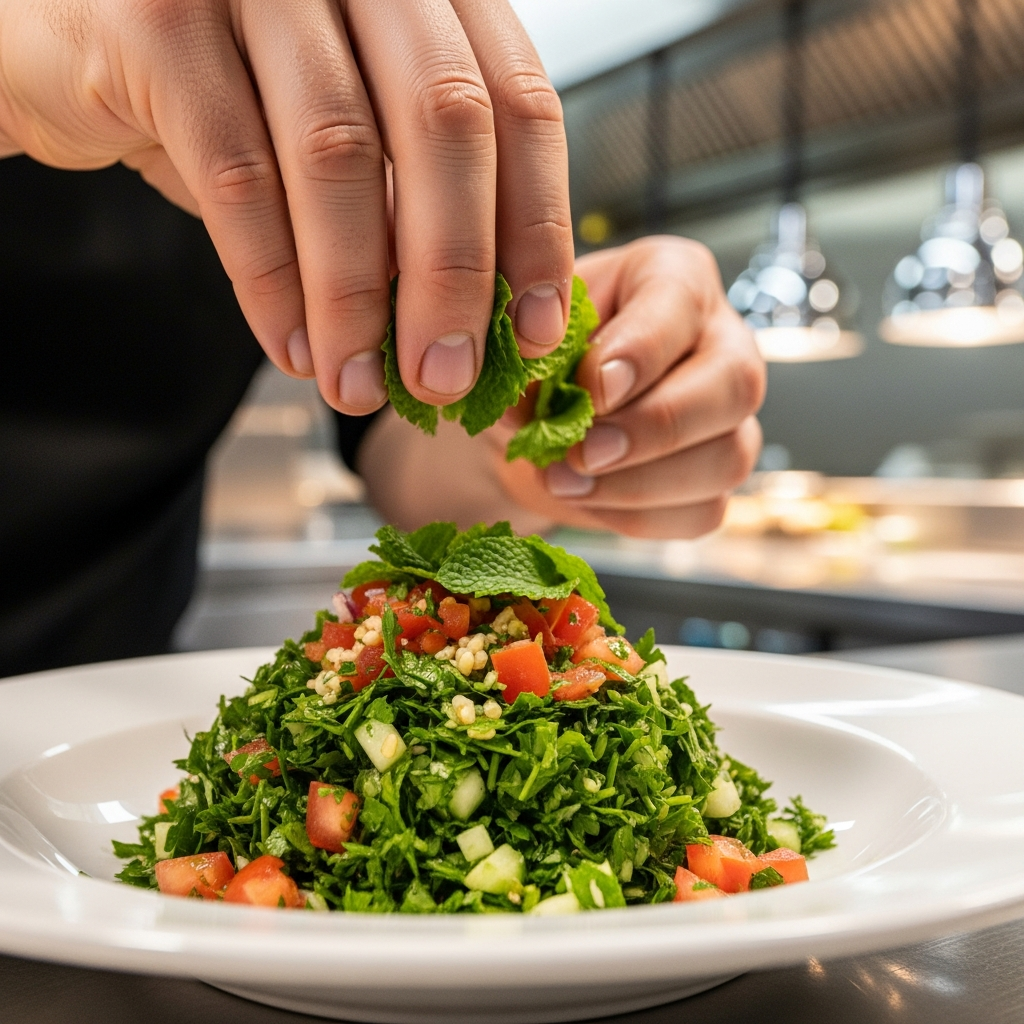

Ask ten Naperville residents what they reach for when they want a meal that’s fresh, fast, and reliably wholesome, and you’ll hear the same answer again and again: taboili. Whether you spell it taboili, tabouli, or tabbouleh, the salad’s appeal cuts across neighborhoods and schedules because it gracefully solves the daily question of what to eat without slowing you down. It’s built from ingredients that make sense in our kitchens—parsley, tomatoes, mint, lemon, olive oil, and a light grain like bulgur or quinoa—and it pairs with nearly everything. More than a side, it has become a quiet foundation of Naperville’s everyday diet culture, weaving into lunchboxes, potlucks, and restorative weeknight meals. For anyone wanting to see the pattern of smart, satisfying choices in action, it helps to glance at a local Mediterranean menu and notice how a humble bowl of chopped herbs sits at the center of the table.
What makes taboili matter so much here is how well it aligns with a lifestyle that values both activity and community. Mornings along the Riverwalk give way to commutes, school drop-offs, and meetings, followed by late-afternoon sprints to practices and events. In that cadence, meals that are light, invigorating, and flexible become essential. Taboili fits the pocket of time you have, not the other way around. It can be a last-minute addition to rotisserie chicken, a refreshing bed under a piece of grilled salmon, or the bright counterpoint to a hearty stew when temperatures dip. The salad’s essential goodness—fiber, vitamins, healthy fats—travels with you between the day’s chapters without asking for special attention.
A Salad That Reflects Naperville’s Diversity
Naperville thrives on cultural crosscurrents. Walk through Downtown on a Saturday night and you’ll hear a half-dozen languages mingling over restaurant patios. Taboili mirrors that spirit. Born of Levantine traditions, it has found a home at our tables because it’s welcoming by design. The salad anchors potlucks where dietary needs abound—vegetarian, gluten-free, dairy-free—because it can be tuned with small shifts while keeping the heart of the dish intact. That kind of adaptability builds community; it lets us say yes to gathering without turning the menu into a negotiation.
It also teaches an important lesson to kids and adults alike: big flavor can be built from simple, fresh ingredients. Chopping parsley with care, choosing tomatoes that smell like the vine, and whisking lemon with good olive oil are everyday acts that pay dividends. Over time, those habits form a quiet culinary literacy that spills into other choices—adding a salad to lunch, choosing grilled over fried, tasting before seasoning. Taboili, then, is more than a recipe; it’s a way of cooking that rewards attention and encourages balance.
Health Without The Lecture
In a suburb that keeps a lively calendar of runs, rides, and community events, taboili’s nutrition profile feels like a natural fit. Parsley brings vitamins A, C, and K; tomatoes contribute lycopene; mint soothes digestion; olive oil supplies heart-friendly monounsaturated fats; and the grain offers fiber and slow-burning energy. But what really matters is that all of this arrives in a form that tastes vivid and refreshing, so you actually want to eat it again tomorrow. That is the secret to sustainable healthy eating in Naperville—or anywhere: deliciousness that nudges you into a repeatable habit.
Because taboili is light yet satisfying, it sidesteps the afternoon slump that heavier lunches can cause. For professionals bouncing between offices, parents juggling schedules, and students splitting time between classrooms and after-school commitments, that steadiness is gold. Keep a container in the fridge, and you can turn almost any protein or legume into a rounded meal in minutes. When time is tight, having that foundation can be the difference between giving up and ordering something that doesn’t serve your goals.
Economy And Sustainability At The Table
Another reason taboili matters locally is that it helps households make good use of their budgets and their groceries. A couple of bunches of parsley, a few tomatoes, lemons, and pantry olive oil create a generous bowl that feeds several people, often with leftovers. The salad loves odds and ends—half a cucumber, the last of the mint, a little quinoa from earlier in the week—so you waste less. In a time when many of us want to be mindful about both the environment and our spending, dishes that stretch ingredients while feeling special have an outsized value.
Buying seasonally amplifies that effect. In summer, you can shop farmers markets and bring home tomatoes that taste like sun. In winter, you might pivot to cherry tomatoes and lean on citrus and herbs for brightness. Because the recipe adapts, you keep eating in a way that respects the season rather than fighting it. That flexibility supports local producers, reduces the urge to chase out-of-season imports, and keeps your cooking joyful even when the landscape outside is snowy and still.
Education On A Cutting Board
For families, taboili doubles as a teaching tool. Kids learn knife skills with safe, supervised chopping of tomatoes and herbs. They learn to taste for balance—does it need more lemon, more salt, a touch of oil?—and to notice how textures work together. These are small, tactile lessons that build confidence and curiosity. A child who loves the brightness of taboili is more likely to try other fresh foods without pressure, and that openness builds a long-term pattern we want for our community’s health.
In school lunchrooms and office kitchens alike, a bowl of taboili draws people in. It’s visually appealing, and when someone takes a bite and says, “What is in this?” the door opens to talk about ingredients rather than dieting. That shift—from restriction to enjoyment—changes how we relate to food. It aligns with the mental health conversation many in Naperville are having: choosing meals that support well-being without turning eating into a battleground.
A Companion To Local Fitness Habits
Because taboili is plant-forward and customizable, it dovetails with the training goals of runners, cyclists, and gym-goers across town. For pre-workout fuel, a smaller serving with more grain provides sustained energy without heaviness. For recovery, pairing the salad with grilled chicken or legumes adds protein while the herbs and lemon keep appetite feeling clean. Athletes appreciate that it’s easy on the stomach and quick to digest, which matters before early runs along the DuPage River Trail or evening classes after work.
Even for those not chasing times or reps, the salad’s steady nutrition keeps life humming. It’s the dish you can rely on when you’re short on sleep from a late community meeting or a kid’s tournament. It sharpens rather than dulls the senses, helping you move through the day with a little more clarity and a lot less drag.
Why Restaurants And Home Cooks Agree
Walk into restaurants around town and you’ll notice a pattern: taboili sitting near hummus, grilled meats, falafel, and roasted vegetables. There’s a reason menus read this way. The salad’s acidity and herbs cut through richness, reset the palate, and make everything else taste brighter. Home cooks mirror that structure instinctively, even if they don’t think of it in culinary terms. A plate feels complete when there’s something fresh and lemony alongside the savory stars. Studying a well-constructed Mediterranean menu can sharpen that instinct, giving you ideas for pairings and portions that keep meals balanced and satisfying.
From a hospitality standpoint, taboili also solves for inclusivity. When you set it down at a potluck, nearly everyone can enjoy it. That relief—knowing there’s at least one dish that welcomes most guests—lowers stress and raises the generosity of the table. In a town that thrives on gathering, that matters.
Small Adjustments, Big Payoffs
Part of taboili’s relevance is how little it asks of you. With a few adjustments, it morphs to suit shifting needs without losing its identity. When tomatoes are glorious, let them lead; when they’re not, lean into herbs and citrus. If you want more heft, scoop the salad over quinoa and add chickpeas. If you prefer it lighter, dial back the grain and add extra cucumber. These aren’t compromises; they’re ways of listening to what your body wants and what the season offers.
And because it’s so repeatable, taboili becomes a form of meal planning you don’t have to schedule. Once the ingredients live in your fridge and pantry, dinner becomes a series of easy choices rather than a nightly puzzle. That simplicity reduces decision fatigue, which is a very real part of maintaining healthy habits in a busy suburb.
Frequently Asked Questions
Q: Does taboili have enough protein for a full meal? A: On its own, it’s light. Pair it with legumes, grilled chicken, fish, or falafel to reach your protein goals while keeping the meal fresh and lively.
Q: Is bulgur or quinoa better? A: Both work. Bulgur offers classic texture and quick prep; quinoa is gluten-free and adds more protein. Choose based on dietary needs and the role you want the salad to play in the meal.
Q: How long does taboili last in the fridge? A: Properly stored in a covered container, it stays vibrant for one to two days. Add a squeeze of lemon before serving to revive the herbs if it has rested overnight.
Q: Can I make kid-friendly taboili? A: Yes. Chop everything a bit smaller, go easy on raw onion, and balance lemon and salt gently. Kids often enjoy the texture and brightness when flavors are tuned with a light hand.
Q: What if tomatoes are out of season? A: Use cherry tomatoes for better sweetness or reduce their proportion and highlight herbs, lemon zest, and high-quality olive oil to keep the salad singing.
Make It A Habit, Naperville
Taboili matters to our local diets because it keeps the promise of everyday good eating. It’s inclusive, adaptable, affordable, and full of life—qualities that reflect the best of Naperville itself. Keep the ingredients on hand, share it often, and let it anchor meals that make you feel energized and connected. When you’re curious about pairings that turn a bowl into a complete spread, look to a trusted Mediterranean menu for cues, then follow your own tastes. With a little chopping and a lot of lemon, you’ll have a habit worth keeping.