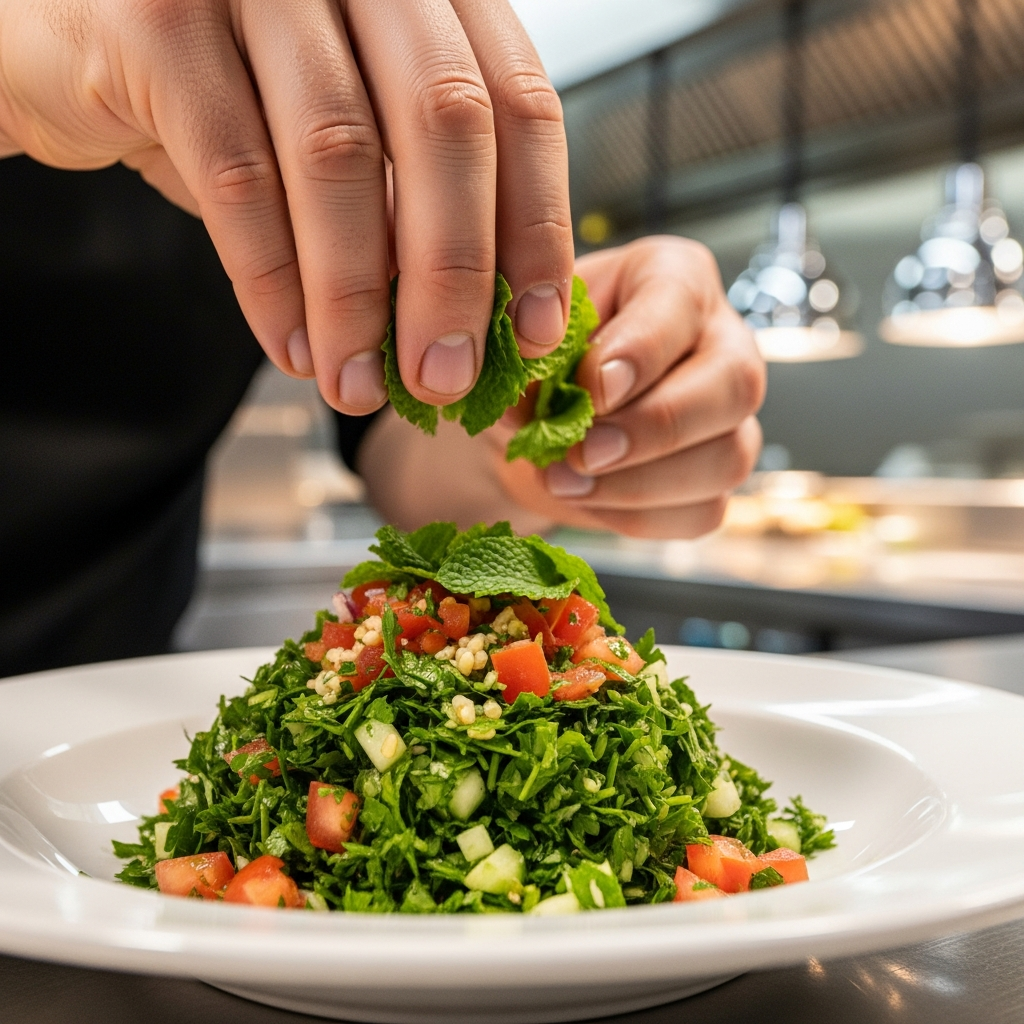
Walk into any Naperville gathering and you can read the table instantly: bowls of fresh salad, a platter or two of something warm and savory, and a few dishes that promise both comfort and lightness. Taboili salad reliably anchors the fresh side of that spread. For local diners who want to understand what’s in every bright, lemony bite, a closer look at Taboili’s nutrition can help you enjoy it with even more confidence. Whether you’re lunching near the Riverwalk, packing a picnic for Knoch Knolls, or settling in at home, the salad’s nutrient density is a welcome constant. If you ever wonder how professionals pair an herb-forward salad with mains for a complete meal, a scan of a well-balanced Mediterranean menu shows exactly how those complementary choices play out on a plate.
The nutritional heart of Taboili
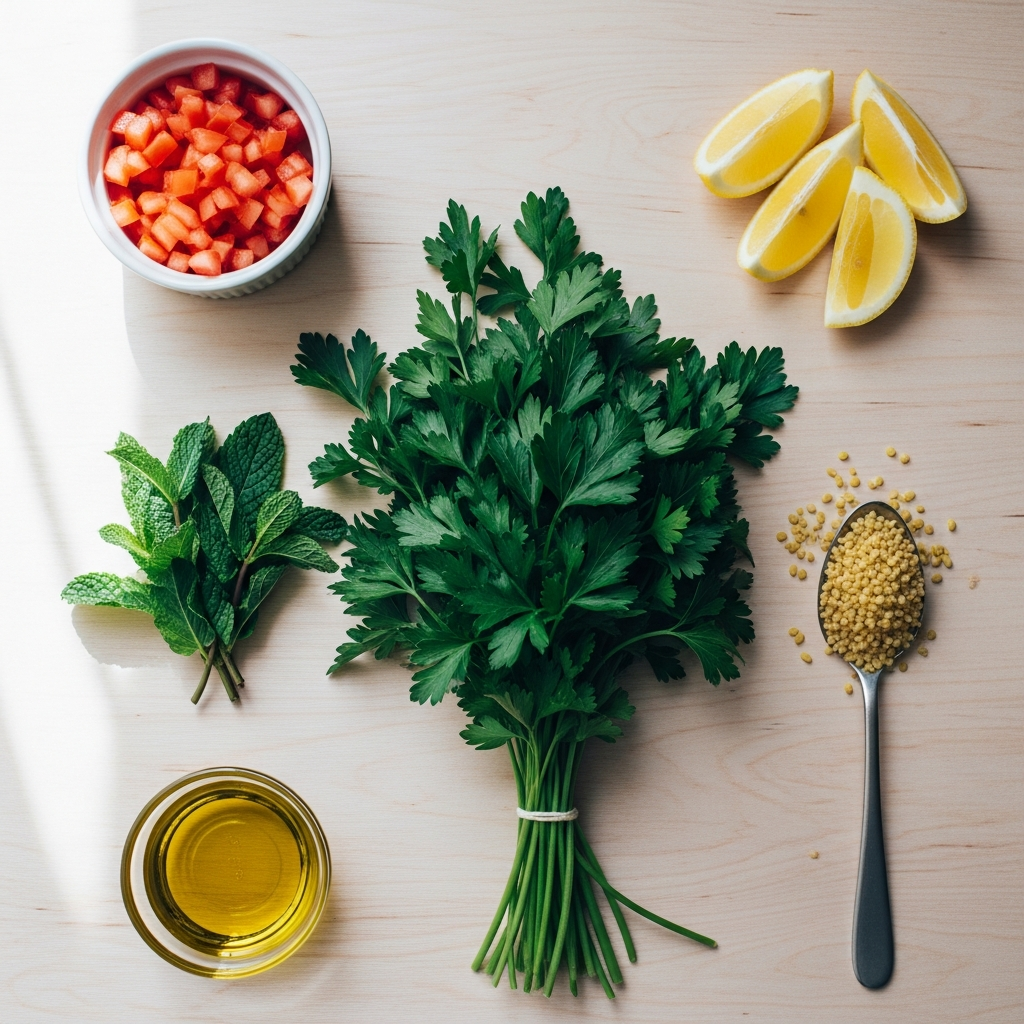
Taboili is built on parsley, mint, tomatoes, lemon juice, olive oil, and a restrained measure of bulgur. That foundation brings a mix of vitamins, minerals, fiber, and healthy fats that many diners in Naperville appreciate, especially when busy schedules make daily vegetable intake tricky. Parsley alone is a quiet nutritional workhorse, offering vitamin K for bone health, vitamin C for immune support, and folate, which is essential for various metabolic processes. Mint adds aroma and small amounts of similar micronutrients, while tomatoes contribute vitamin C, potassium, and beneficial plant compounds.
Lemon juice provides bright acidity along with more vitamin C. Olive oil rounds out the picture, delivering monounsaturated fats associated with heart health and improved satiety. Bulgur contributes complex carbohydrates and fiber, which help keep energy levels steady between meals. The genius of the salad is the proportion: a lot of greens and just enough grain and oil to make the dish feel complete.
Macros in practical terms
For a typical home-style serving—around a cup—you can expect the macronutrients to cluster in a balanced way: modest fats from olive oil, moderate carbohydrates from bulgur and tomatoes, and a small but helpful amount of protein from the grain and herbs. If olive oil is measured lightly, fats stay reasonable while still giving the salad that satisfying mouthfeel. If bulgur is kept in check, the carbohydrates remain moderate and counterbalanced by fiber, which helps you feel full and steady.
In practice, most Naperville diners experience Taboili as a meal enhancer—a way to add vegetables and brightness without throwing off a macro plan. The herb-heavy profile means a lot of volume for comparatively few calories, and the fat from olive oil is the easiest knob to turn if you want to tailor the dish to your goals.
Fiber, fullness, and feel-good eating
Fiber is one of Taboili’s quiet strengths. Parsley contributes, bulgur adds more, and tomatoes bring water content that, together with fiber, helps create satiety. For folks who lunch on the go near Downtown Naperville or between meetings along Washington Street, a portion of Taboili beside a protein can carry you through the afternoon without the heavy feeling that follows some rich meals. High-water, high-fiber foods are a shortcut to feeling satisfied, and this salad checks both boxes.
If you’re mindful of digestive comfort, the salad’s texture helps too. Finely chopping parsley and tomato not only improves flavor distribution but also makes the dish gentler to eat. Letting the salad rest for 15 to 30 minutes before serving allows the lemon to tenderize the herbs slightly without wilting them into mush.
Vitamins and minerals in every forkful
Beyond the headline nutrients—vitamins K and C, folate, potassium—Taboili offers small amounts of iron, calcium, and magnesium. The body absorbs these more effectively when meals contain a mix of components, and that’s another place where olive oil earns its keep: dietary fat can help the absorption of fat-soluble vitamins. When diners ask me how to get more benefit from simple salads, I often suggest they treat olive oil as a tool rather than an indulgence, measuring enough to coat the leaves lightly without overwhelming them.
Mint adds a soothing note that many find supportive after a hearty main. Though its vitamin contribution is modest compared to parsley, its aroma and essential oils can make the whole dish feel brighter and more digestible, especially when paired with grilled meats or rich spreads.
Sodium, seasoning, and balance
Seasoning is one place where nutrition and taste intersect. Salt is essential to open up flavor, but it’s also the element many Naperville diners monitor closely. The good news is that lemon carries a lot of the seasoning load in Taboili, which allows you to keep salt modest without sacrificing satisfaction. A small pinch of allspice brings perceived warmth that can further reduce the need for extra salt. If you’re using briny add-ins like feta or olives on the side, keep that in mind when salting the salad itself.
The soaking liquid for bulgur can be plain water, lightly salted water, or lemon-and-oil. Each choice affects the final flavor subtly. If you’re watching sodium, skip salt in the soaking step and season at the end, tasting as you go.
Gluten and common modifications
Because traditional Taboili includes bulgur, it does contain gluten. For diners who prefer a gluten-free version, quinoa is a popular substitute that plays a similar textural role. Cauliflower rice, pulsed very fine, is another option that preserves the spirit of the dish while staying grain-free. Either way, the bulk of the salad remains herbs and vegetables, so the core nutrition profile stays robust.
For those tracking food sensitivities, note that Taboili is generally nut-free and dairy-free unless you add accoutrements like feta or nuts on the side. Its ingredient list is short and transparent, which is one reason it’s an easy win for potlucks and shared meals around Naperville—everyone knows what’s in the bowl.
How Taboili fits a balanced plate
If you peek at how restaurants compose plates—especially those shaped by Mediterranean traditions—you’ll notice a balance between savory proteins, wholesome grains, and lively salads. That’s exactly how Taboili functions at home. A scoop on the side upgrades roasted chicken, grilled salmon, lentils, or falafel. It refreshes richer dishes without competing, and because it’s so herb-dense, it lets you enjoy a generous portion of vegetables in a form that feels celebratory rather than dutiful. For inspiration on pairings, I often glance at the patterns on a modern Mediterranean menu: the logic there translates beautifully to weeknight cooking.
When you eat this way—protein, vegetable-heavy salad, perhaps a spoon of grain—you build a plate that steadies energy and satisfies appetite. The salad’s acidity also keeps your palate engaged, which matters more than we admit when we’re trying to make nutritious choices day after day.
Shopping tips for peak nutrition
Freshness counts. At the Naperville Farmers Market, choose parsley that looks bushy and vibrant, with no limp stems. Mint should be fragrant and springy. Tomatoes ought to feel heavy and smell like themselves. If you’re shopping along Ogden Avenue, ask for fine bulgur that softens readily; a tender grain keeps the salad cohesive without forcing you to add extra oil for lubrication. Pick lemons that feel full and firm—juice quality makes a big difference when the dressing is this simple.
Store herbs wrapped in a barely damp towel in the refrigerator and chop just before assembly to preserve nutrients and texture. If you prep for the week, keep tomatoes separate until the morning you plan to eat; this prevents watery runoff that can dilute flavor and wash away seasoning.
Kids, athletes, and everyday diners
Parents often wonder if kids will embrace a salad that’s mostly green. In my experience around Naperville, yes—especially if you introduce it in lettuce cups or beside something warm and familiar. The gentle aromatics, tiny tomato dice, and lemony dressing feel friendly. For athletes who train along the Riverwalk or at local gyms, Taboili is a natural companion to protein thanks to its carbohydrates, antioxidants, and hydration from high-water vegetables.
For everyday diners, the main point is ease. Few dishes deliver as much nutrition per minute of prep. A sharp knife, a cutting board, and a large bowl are all you need. It’s the kind of recipe you can memorize and riff on forever, anchoring a healthier pattern without fanfare.
FAQ
Is Taboili high in vitamins?
Yes. It’s particularly rich in vitamin K from parsley and offers vitamin C from both parsley and lemon. You’ll also get folate, potassium, and small amounts of iron and magnesium in every serving.
What kind of fat is in Taboili?
Olive oil supplies mostly monounsaturated fat, which is considered heart-supportive when used in moderation. That fat also helps your body absorb fat-soluble vitamins present in the herbs.
Does Taboili contain gluten?
Traditional versions include bulgur, which contains gluten. If you prefer gluten-free, swap in cooked, cooled quinoa or very finely pulsed cauliflower rice for a similar role in the salad.
How can I make Taboili lower in sodium?
Rely on lemon for brightness and season at the end, tasting as you go. Skip salting the bulgur soaking liquid, and be mindful of salty add-ons like feta or olives served alongside.
What should I serve with Taboili for a balanced meal?
Pair it with grilled fish or chicken, lentils, or falafel. To spark ideas, consider how items are combined on a balanced Mediterranean menu, then adapt those pairings at home.
How does resting the salad affect nutrition?
Resting doesn’t change nutrients significantly, but it improves flavor and texture, which can make nutritious choices more enjoyable and sustainable in daily life.
If you’re ready to bring more color and balance to your plate, gather fresh herbs tonight and let Taboili be the lift your meal needs. For simple pairing ideas that turn smart choices into a dinnertime habit, take a quick look at this inviting Mediterranean menu, then set the table with confidence.