Weeknights in Naperville ask a lot of dinner. We want something crisp, fragrant, and wholesome; we also want it to come together without turning the kitchen into a science experiment. Baked falafel checks all the boxes when you do it right. It delivers the crunch you crave with less hands-on time, and it fits neatly between homework, a quick stroll along the Riverwalk, and an early bedtime. As a local who’s baked plenty of batches while the sun tilted behind the maples on our block, I’ve refined a method that keeps the centers tender and the edges golden. When I’m deciding which sauces or sides will round out the plate, I’ll often peek at a neighborhood favorite’s menu for a nudge, then get back to the oven with a clear plan.
Crispy baked falafel begins the same way any good falafel does: with soaked dried chickpeas, not canned. The soaked beans grind to a coarse texture that supports a bakery-crisp shell even in the dry heat of an oven. You’ll fold in onion, garlic, and a tumble of fresh parsley and cilantro, then season with cumin, coriander, salt, and pepper. A modest pinch of baking powder helps tenderness without puffing the patties into dry domes. With a few tray tricks, you can coax color and crunch that rival a shallow fry while keeping the process tidy and relaxed.
Prep that pays off
Set chickpeas to soak the night before a busy day. Drain them thoroughly and pat them dry; moisture is the enemy of crisp in the oven. Pulse the chickpeas, onion, garlic, and herbs in a processor until the mixture holds when pressed but still looks sandy, not creamy. Stir in the spices, salt, pepper, and baking powder by hand. If the mixture feels damp, add a teaspoon or two of chickpea flour to steady it. Rest the mixture for 15–20 minutes while you preheat the oven and a heavy sheet pan to 450°F. Preheating the pan is a power move—it sears the bottoms on contact, cutting the time it takes to develop a crust.
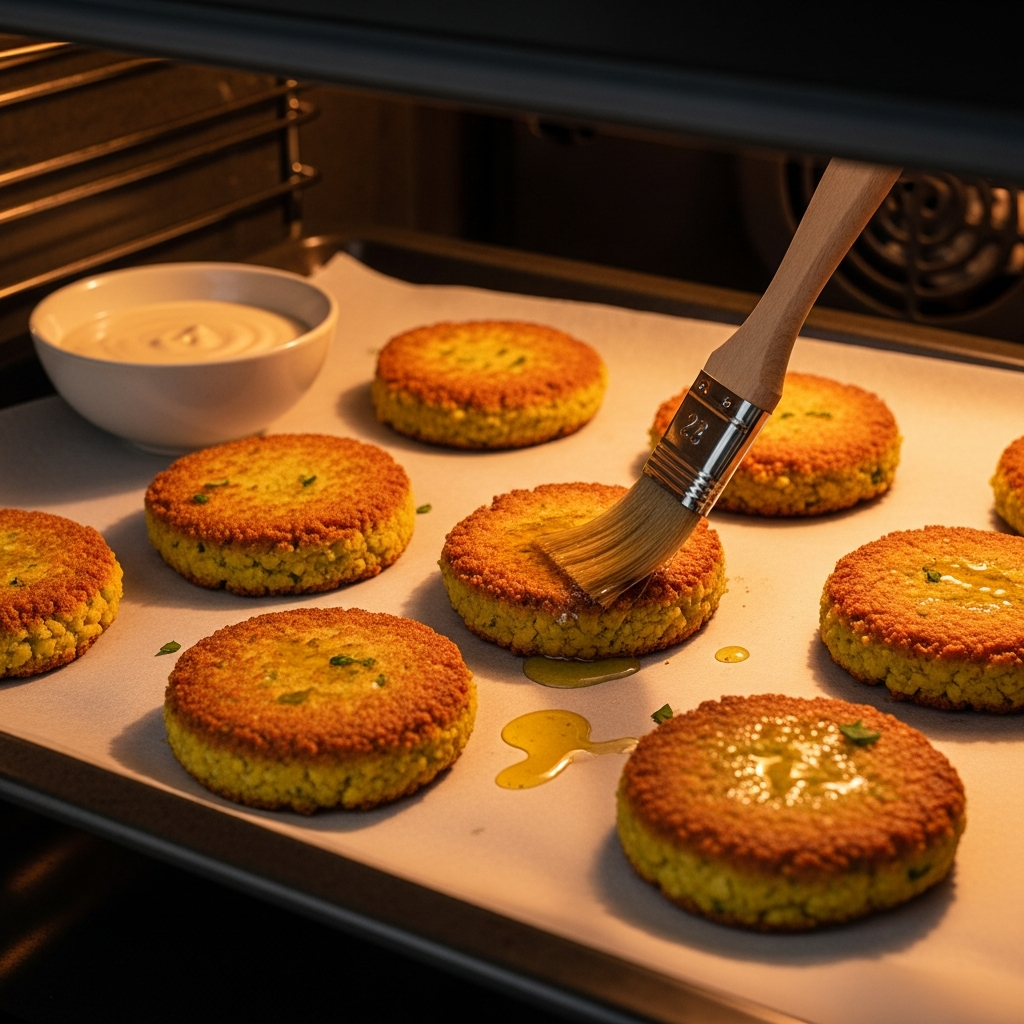
Shape compact patties with damp hands. Brushing each side lightly with oil, rather than drenching the tray, keeps the crust from mottling. Space them so air can move freely; crowding traps steam and softens edges. Slide the tray into the hot oven and listen for the faint sizzle you get when the patties hit the preheated metal. Bake until golden on the first side, flip carefully, brush with a touch more oil, and finish until both sides show color and the centers are set.
Building a weeknight plate
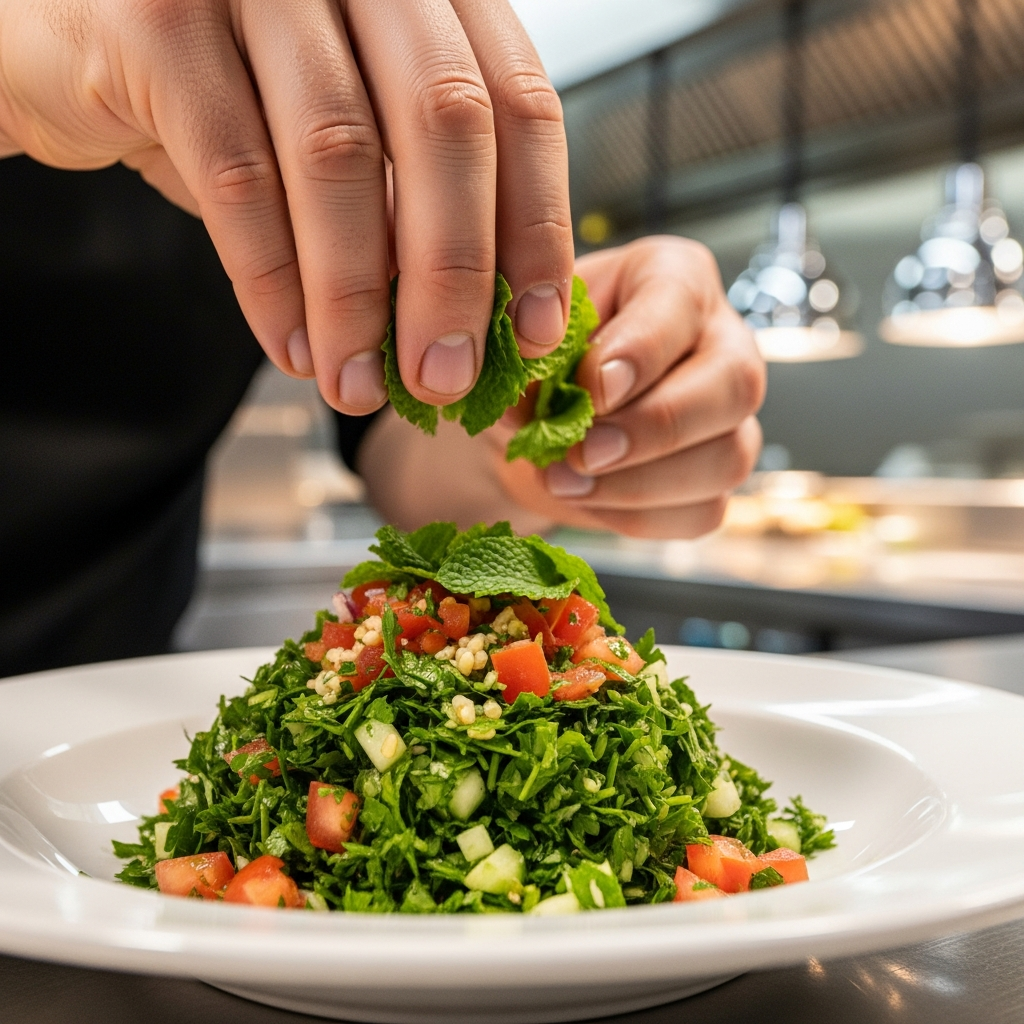
For fast dinners before a meeting at the 95th Street Library or an evening event at North Central College, I plate baked falafel with warm pitas, sliced cucumbers and tomatoes, pickles, and a lemony tahini. If we’re leaning lighter, I build bowls with greens, warm grains, and extra herbs. On colder nights, roasted carrots or sweet potatoes slide right in next to the falafel; their sweetness plays well with cumin’s warmth. When I want to align my ideas with what’s tempting around town, I check a local spot’s menu for pairings that fit the season.
Baked falafel also handles travel kindly. If we’re eating near the Riverwalk or grabbing dinner between errands on Ogden Avenue, I’ll tuck patties into a container lined with a paper towel to wick moisture and keep sauces in separate jars. At home, leftovers transform into lunch with almost no effort: a reheat in the toaster oven and a handful of cherry tomatoes on the side.
Texture, color, and timing
Color is your feedback loop in the oven. If the patties stay pale after the first 10 minutes, increase the heat slightly or move the tray higher. If the bottoms darken too quickly, slide a second cool sheet pan underneath to diffuse the heat. Flip with a flat spatula to keep patties intact. Aim for edges that frill slightly and a center that remains moist when you break one open. If you prefer extra crunch, finish with a brief broil—but watch closely, as broilers in Naperville kitchens vary wildly in power.
Spice balance remains the soul of the dish. Taste the mixture raw to gauge salt and spice, or cook a small test patty in a skillet for accuracy. A squeeze of lemon over the baked batch wakes up the spices just as it does for fried versions. If you like heat, add a pinch of cayenne or a scatter of Aleppo pepper; if you lean herbaceous, fold in extra parsley. Baked falafel can handle generous herbs without collapsing.
Hosting without the scramble
For gatherings, baking beats frying for one simple reason: space. A sheet pan holds a crowd’s worth of falafel and frees you to mingle instead of man a stovetop. Shape patties earlier in the day and refrigerate; the rest makes them easier to handle. When guests arrive after a late-afternoon soccer game at Frontier Sports Complex, slide the trays into a hot oven and set out sauces. Keep the first finished batch warm by cracking the oven door; avoid covering them, which softens the crust you worked to build.
Cleanup is friendlier too. Line trays with parchment for minimal sticking, then toss the paper once dinner is done. The counters stay clearer, and the kitchen cools down faster than when frying—a perk on warm summer evenings.
FAQs
Can I use canned chickpeas for baked falafel?
Canned beans are convenient but already cooked, which leads to a soft, paste-like mixture that bakes up dense. For the best texture, use dried chickpeas soaked for 12–24 hours, then drain and dry thoroughly.
How do I keep baked falafel from drying out?
Start with a coarse grind, don’t overbake, and consider a brief broil at the end only for color. A pinch of baking powder tenderizes, and a squeeze of lemon after baking restores moisture perception and brightness.
What oven temperature works best?
High heat—around 450°F—helps develop color and a crisp exterior quickly. Preheating the sheet pan gives you a head start. Adjust racks and temperature as needed based on your oven’s personality.
How do I reheat leftovers to keep them crisp?
Use a toaster oven or a hot oven on a wire rack. Avoid microwaving, which softens the crust. Reheat until the edges are sizzling and the centers are warm.
What should I serve alongside baked falafel?
Classic companions include warm pita, cucumbers, tomatoes, pickles, and tahini. For heartier plates, add roasted vegetables or warm grains. Keep sauces bright so they lift the baked crust’s toasty notes.
Is baking healthier than frying?
Baking uses less oil and can be less hands-on, which suits busy weeknights. The texture is slightly different from fried falafel but still delicious, especially when you manage heat and moisture well.
If tonight feels like a baked-falafel night—and around here, that’s most weeknights—set the chickpeas to soak, preheat that sturdy sheet pan, and line up your toppings. For a little inspiration on how to compose the plate, browse a trusted local menu, then pull the trays from the oven and call everyone to the table while the edges are still crackling.