
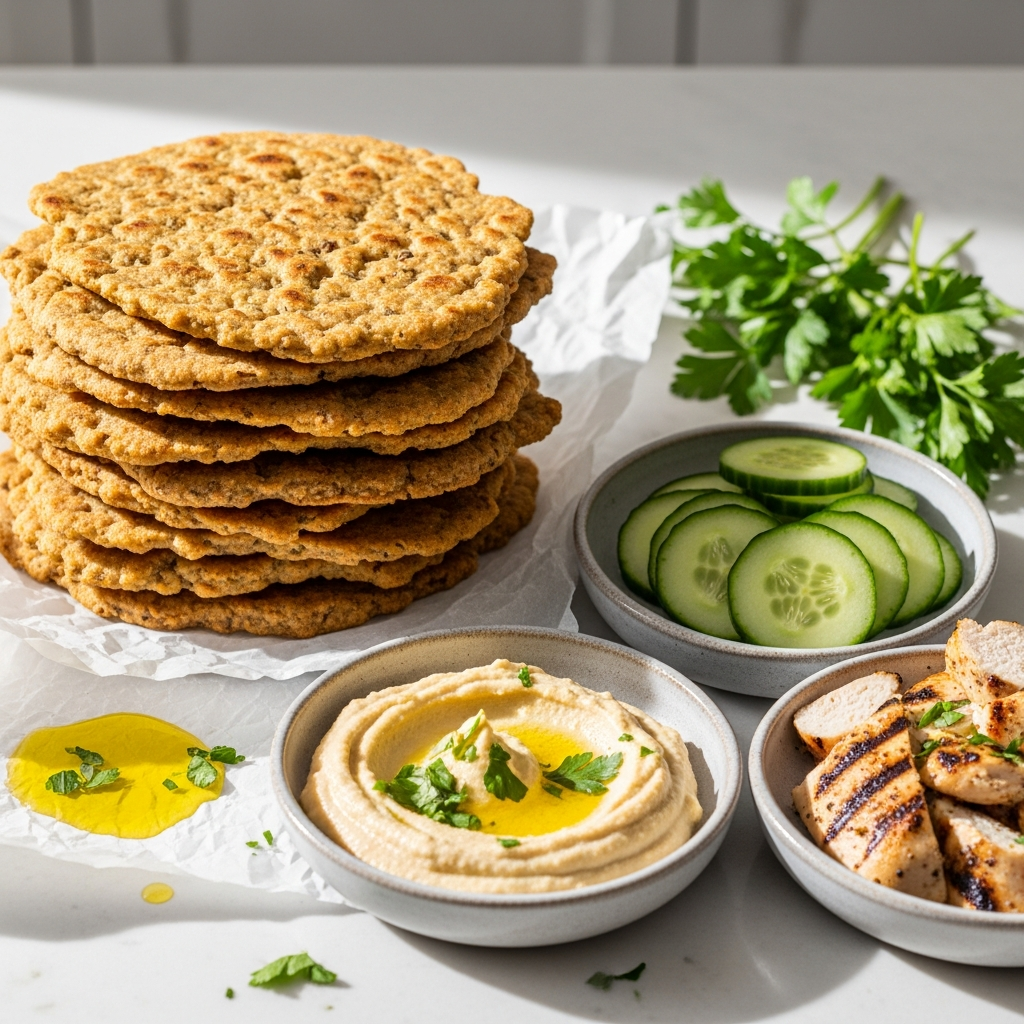
Healthy eating in Naperville is as much about rhythm as it is about rules. Between early runs along the Riverwalk, family schedules that stretch into the evening, and weekend gatherings on patios, we look for meals that fit our days and still feel genuinely satisfying. That’s where low carb pita-style options come in. Whether you’re cooking for yourself or feeding a household with different preferences, these breads can provide a flexible base for wraps, dips, and handheld suppers—without leaning heavily on traditional wheat flour. Over time, I’ve tested versions made with almond flour, coconut flour, flax, and psyllium, learning which combinations give a foldable texture, which behave best in Naperville’s shifting seasons, and which play nicely with the bold flavors we love. For pairing inspiration when I want to kick things up, I sometimes peek at a Mediterranean menu and imagine how those spreads and proteins might land on a lighter wrap.
Let’s set expectations. Low carb pita alternatives are different from classic wheat pitas. They don’t always form a pocket, and their crumb depends on the binders you choose. That’s not a flaw; it’s an opportunity. With the right method, you can get a soft, flexible round that behaves beautifully as a wrap or dipping bread. Texture comes down to hydration, rest, and heat, just as it does with wheat flour—only here, fiber-rich ingredients like psyllium husk step in to trap moisture and provide structure.
Understanding the Flours and Binders
Almond flour brings mild sweetness and tender crumb but lacks gluten’s stretch. Psyllium husk (powder or fine flakes) absorbs water and creates that elastic feel when it hydrates fully, which is why rest time is critical. Coconut flour is intensely absorbent; a little goes a long way and can dry a dough if not balanced with liquids and fats. Ground flaxseed adds nuttiness and fiber, helping the dough hold together while also contributing to satiety. Many successful recipes pair almond flour with either psyllium or flax to mimic the stretch and softness of traditional pita, with olive oil or eggs adding additional tenderness.
Hydration, Rest, and Heat in a Midwest Kitchen
Naperville’s humidity affects these doughs just as it does wheat. In summer, mixtures slacken quickly as fibers take in moisture from the air; in winter, the same recipe can feel stiff. Start with the written quantities, then adjust a teaspoon at a time—more water if crumbly, a pinch more almond flour if soupy. After mixing, rest the dough so psyllium and flax can fully hydrate. This rest quiets the dough and allows you to roll without tearing, crucial for creating a smooth, pliable round that cooks evenly.
Rolling and Thickness for Foldable Results
Divide the dough and pat into disks, then roll between sheets of parchment to a steady thickness. Too thin and the bread can crisp; too thick and it may taste heavy. A guideline is just under a quarter inch, enough to bend without breaking once cooked. Because low carb doughs can be delicate, peel the parchment back slowly and lay each round onto a hot skillet or preheated stone with care. Confidence grows with practice, and soon the motion feels natural.
Skillet or Oven?
Both methods work. A cast-iron skillet on medium heat gives fast feedback and attractive freckles. For batch cooking, a 450°F oven with a preheated steel or stone delivers steady results. Watch carefully near the end; these breads can go from tender to brittle if overcooked by even a minute. Pull when tan with light browning and let them sit under a towel to trap a hint of steam and maintain flexibility.
Flavor and Seasoning Tweaks
Because low carb flours carry their own flavors, season thoughtfully. A pinch of garlic powder, dried oregano, or za’atar works beautifully. Olive oil not only softens the crumb but also carries spices across the palate. After cooking, brushing the surface with oil and a squeeze of lemon adds brightness. If you prefer a richer profile, a touch of melted butter or ghee offers a warm finish without weighing down the bread.
Everyday Pairings That Keep Things Lively
Low carb pitas excel at wraps. Try grilled chicken with cucumber and herbs, roasted vegetables with tahini, or garlicky shrimp with lemon. For a vegetarian option that satisfies, fill with spiced cauliflower and a tangy sauce. When serving dips, cut the breads into wedges; their sturdy yet soft texture stands up to hummus-style spreads and creamy yogurts. For ideas that nudge you into new territory, scan a Mediterranean menu and translate those flavors to your lighter base.
Smart Shopping and Local Habits
Naperville’s markets make it easy to find almond flour, psyllium, and flaxseed. Look for finely milled almond flour for a more delicate crumb, and choose psyllium labeled as powder for smooth hydration. Store these ingredients in airtight containers; almond flour benefits from refrigeration to preserve freshness. Keep olive oil on hand for the dough and finishing touches, and stock lemons for that final bright squeeze that wakes up the plate.
Make-Ahead, Storage, and Reheat
These pitas are well-suited to meal prep. Cook a batch on Sunday afternoon, then store in the fridge for a few days or freeze with parchment between rounds. Reheat in a dry skillet or briefly in the oven, watching closely to avoid dryness. A few drops of water in the skillet can add helpful steam without making the bread soggy. Because the structure relies on hydrated fibers, reheated breads often feel as tender as fresh if you keep the warm-up short.
Balancing Macros Without Obsessing
Low carb eating in Naperville doesn’t have to be rigid. Focus on colorful plates: leafy greens, vibrant vegetables, herbs, and a protein you enjoy. The pita becomes a vehicle, not the headline. Almond flour and flax bring fiber and fat that contribute to satiety, helping meals feel complete without a heavy load of starch.
Troubleshooting Texture
If a round tears when you transfer it to the pan, rest the dough longer so fibers hydrate fully, or roll slightly thicker. If the finished bread crumbles, add a bit more moisture or a touch more psyllium next time. If it tastes eggy, reduce egg and lean on psyllium and olive oil for structure. Small tweaks make big differences, so take a note or two as you iterate.
Outdoor Grilling and Seasonal Twists
On a summer evening, place a cast-iron griddle on the grill and cook these breads alongside skewers of vegetables or seafood. The gentle smoke brings a flavor that belies how light the breads are. In fall, pair with roasted squash and sage; in winter, with warm stews; in spring, with crisp salads and lemony dressings. Low carb doesn’t mean low pleasure—it means tuning textures and flavors to what the season offers.
Frequently Asked Questions About Low Carb Pita
Will these breads form a pocket like traditional pita?
Usually not. Because they lack gluten, they tend to cook as flexible flatbreads rather than full balloons. That said, careful heat and even thickness can create small internal layers perfect for wraps.
What’s the best flour blend for softness?
A mix of almond flour with psyllium husk powder creates a reliably soft, bendable round. Adding a bit of ground flax can deepen flavor and improve structure without making the bread heavy.
How do I avoid a dry, crumbly texture?
Increase hydration incrementally and give the dough time to rest so the fiber fully hydrates. Pull the breads off the heat as soon as they’re cooked through and cover with a towel to keep steam in play.
Can I make them dairy-free?
Yes. Use water or a non-dairy milk and rely on olive oil and psyllium for tenderness and structure. Adjust hydration until the dough feels soft and pliable.
How do I store and reheat for the workweek?
Refrigerate in an airtight container for several days or freeze with parchment between rounds. Reheat in a hot skillet with a few drops of water for steam, or warm briefly in the oven, watching to prevent drying.
What fillings keep the carb count friendly?
Grilled proteins, leafy greens, cucumbers, tomatoes, olives, and herb-forward sauces. Think crisp textures and bright acidity to complement the bread’s gentle richness.
Ready to make low carb pitas part of your Naperville routine?
Choose your flour blend, give the dough a short rest, and cook on a hot skillet until lightly browned and pliable. Build plates around fresh vegetables and a protein you love, and keep the mood relaxed and flavorful. For pairing ideas that stretch your imagination without stretching your schedule, glance at a Mediterranean menu and let those flavors meet your lighter bread. A satisfying, weeknight-friendly meal is closer than you think.