Trends have a way of revealing what a city values, and in Naperville, you can learn a lot by watching how Taboili Salad appears on local menus. The herb-forward classic is not going anywhere; instead, it is evolving to fit the ways residents work, dine, and gather. If you have browsed a Mediterranean restaurant’s menu recently, you have likely noticed small signals of change—more seasonal cues, smarter to-go packaging, and tiny tweaks in technique that keep the salad vibrant no matter the month.
Naperville’s dining scene blends neighborhood familiarity with a steady appetite for global flavors. Taboili has become a barometer of that balance. It respects tradition while inviting measured innovation, and the best local versions still feel handmade, crisp, and lemon-lit. Below are the trends I see most often as I make my rounds across town, from Downtown spots near the Riverwalk to busy counters flanking Route 59.
Hyper-Fresh Chopping and Texture Discipline
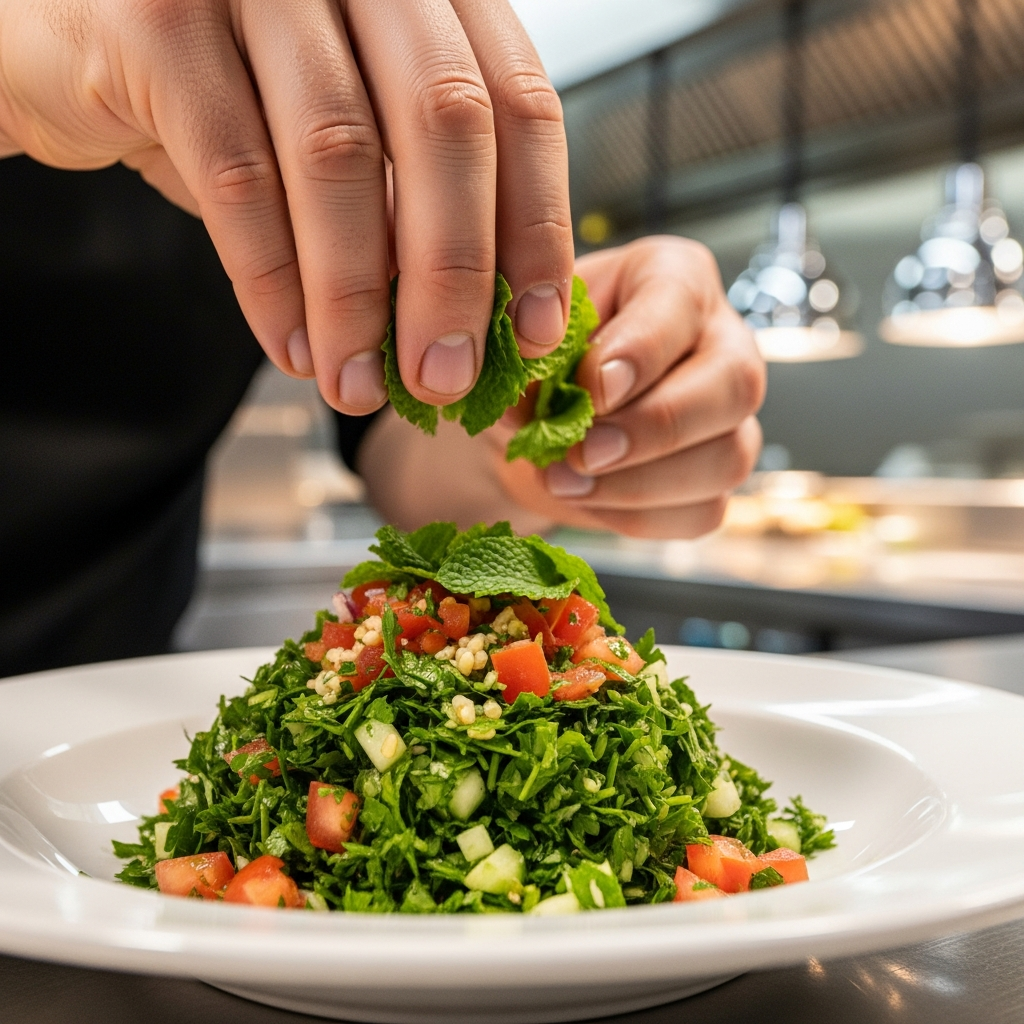
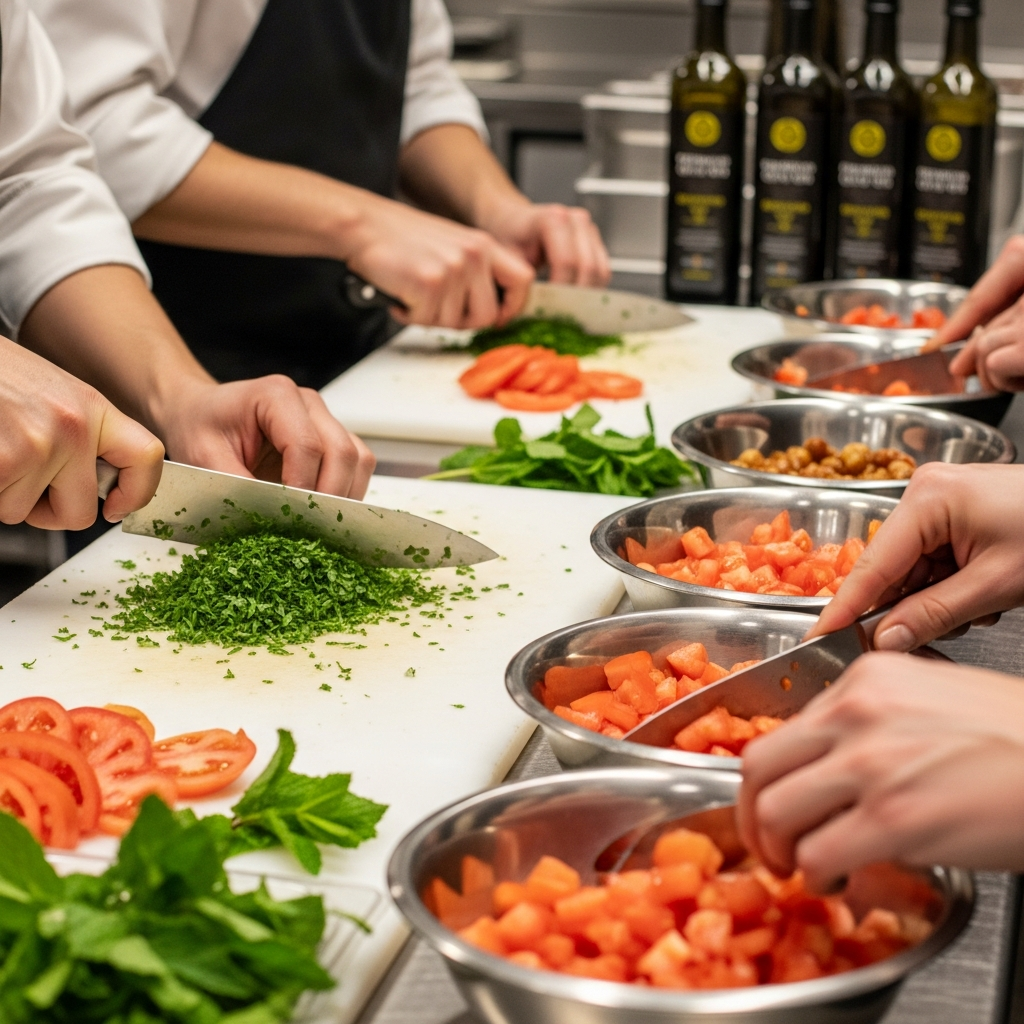
The most consistent trend is an obsession with texture. Chefs and counter teams are investing extra care in knife work, delivering parsley that looks like a green snowfall rather than rough chunks. Tomatoes are finely diced and drained to avoid pooling at the bottom of the bowl. Bulgur is soaked just to the point of tenderness, then folded through as a subtle background note. This “texture discipline” means the salad keeps its lift for longer, a must for Naperville’s robust takeout culture.
Home cooks mirror the trend. You hear it in grocery aisles when neighbors compare chopping methods, and you see it at block parties when bowls arrive looking perky despite the heat. When the cut is fine and even, flavors integrate, and the salad tastes composed rather than busy.
Seasonal Cues and Local Sourcing
Menus increasingly nod to the calendar, highlighting tomatoes during peak months and mint when gardens overflow. In June and July, Taboili goes juicy and exuberant; in late fall, it turns a touch more aromatic, with lemon zest working alongside juice to conjure brightness. Some kitchens partner quietly with local suppliers for parsley and tomatoes, reflecting a community that values fresh ingredients but does not need every detail advertised on the board.
Naperville diners respond to these cues. They expect a summer bowl to taste like sunshine and a winter bowl to deliver clean snap and gentle comfort. That responsiveness builds trust and encourages repeat visits.
Clean, Confident Dressing
Another visible shift is restraint in dressing. Rather than over-embellish, local kitchens lean on a few essentials: lemon, olive oil, salt, and sometimes a whisper of pepper or sumac. The aim is clarity. When the dressing is dialed in, the salad tastes freshly made even after a short commute home past Ogden’s traffic lights, and it can stand up to heartier items without losing its personality.
That restraint dovetails with how Naperville likes to eat. The city appreciates foods that are naturally bright, not overloaded. A clean, confident dressing tells diners, “We trust the ingredients, and you should too.”
The Rise of Smart To-Go
As busy schedules shape dining habits, Taboili’s packaging has quietly evolved. You see tighter lids, separate compartments for juicy add-ins, and containers that encourage a quick toss right before eating. This is not flashy innovation, but it is practical, and it respects the consumer. For students dashing between classes at North Central College or professionals moving from one meeting to the next, that practicality is a major part of the decision to order Taboili again tomorrow.
Some places offer a small lemon wedge within the container to refresh the bowl at the moment of serving. It is a simple touch that gives diners agency and keeps the flavor honest.
Subtle Flavor Accents, Still Herb-First
While the core profile remains unchanged, I notice gentle accents appearing without disrupting the salad’s identity. A dusting of sumac, a hint of lemon zest, or a few extra chopped mint leaves can tip the bowl toward a specific mood—zippy in summer, cozy-bright in winter. The point is not novelty; it is precision. Local chefs are honing the dial rather than swapping out parts, because they know Naperville diners want Taboili to taste like Taboili.
This approach guards against trend-chasing. The salad’s charm lies in its clarity, and the best versions keep that clarity front and center while making just enough room for seasonal edits.
Integration with Bowls and Plates
Many menus now place Taboili within composed bowls and mixed plates rather than as an isolated side. That integration invites exploration: diners get to discover how the salad refreshes grilled items, how it punctuates creamy components, and how it resets the palate between bites. I have watched tables on Jefferson Avenue share plates anchored by a generous scoop of Taboili, each person building their own forkful in a slightly different way.
For time-pressed diners, this integration helps decision-making. When you see Taboili as part of a balanced plate, the path to a satisfying meal becomes obvious. You are not guessing; you are selecting a proven composition and tailoring it to your appetite.
Menu Language that Teaches Without Preaching
Another trend is the way restaurants describe Taboili. Phrases like “finely chopped,” “lemon-bright,” and “herb-forward” show up more often, guiding expectations and signaling care. The copy is short, but it tells a story: we chop by hand, we keep it crisp, we dress with intention. Naperville appreciates clear communication—no lectures, just enough information to feel informed.
That language also helps new diners feel welcome. If you have never tried Taboili, a plain-spoken description is more useful than a long list of adjectives. The result is a smoother first experience and a higher chance of falling in love with the dish.
Healthy Eating that Feels Like Real Food
Naperville residents are practical about wellness. They want food that tastes like a meal, not a compromise. Taboili fits perfectly. The salad lands as satisfying, not spartan, so it can carry a lunch on days you want to keep things light but not skimpy. On menus, that practicality shows up in generous portions, smart pairings, and a lack of gimmicks. The dish quietly communicates: this is good food that will treat you right.
It helps that Taboili’s virtues are visible. You can see the freshness. You can smell the lemon and mint. You can feel the texture. That sensory honesty is a trend in itself—the idea that the most convincing proof of quality is what you taste and experience, not what you are told.
Community-First Presentation
Presentation is getting simpler and more generous. Big, bright bowls at gatherings; neat, compact servings for to-go; a little flourish of mint to cue freshness. The showmanship is on the plate, not in props. In a town that values family, neighbors, and shared spaces, it makes sense that Taboili appears as something to pass, to share, and to talk around.
I have seen weekend block parties where one stellar bowl of Taboili anchors an entire table, with guests returning for small scoops to reset their palates before trying the next dish. That rhythm of refresh, taste, and refresh again turns a long afternoon into a pleasant exploration rather than a sprint.
Training the Next Generation of Fans
One delightful trend is how often kids encounter Taboili at school events or family dinners. When children taste a salad that crunches, smells like lemon, and looks like confetti, they become curious. They learn that greens can be exciting, not obligatory. As families adopt the salad into weeknight rotations, they often find mealtimes become easier because the table gains a dependable favorite.
This matters for the city’s food future. When young diners have positive experiences with fresh, globally inspired dishes, Naperville’s culinary landscape grows more resilient and interesting over time.
Digital Discovery and Ordering
As more diners make decisions on their phones, clear photos and straightforward descriptions help Taboili win the click. The best images show the salad’s fluff and color rather than drenching it in olive oil. The best descriptions keep it short and specific. When a restaurant nails those elements, diners know exactly what they are getting, and they come back for repeat orders with confidence.
If you are deciding what to eat tonight, a smart first step is to browse the Mediterranean menu at your favorite spot, look for Taboili’s telltale brightness, and let that guide the rest of your order. It is an anchor decision that makes everything else easier.
Winter-Proofing the Experience
In colder months, the best kitchens protect texture by dicing tomatoes smaller, leaning on zest, and letting the salad rest briefly to harmonize before serving. Containers get a touch tighter to preserve aroma on the drive home down Washington Street. These small adjustments keep the eating experience as lively in January as it is in July, showing that Taboili is not a seasonal novelty but a year-round staple.
At home, Naperville cooks borrow the same playbook: fine chop, quick rest, last-second lemon. The method is easy to teach and easier to repeat, which is why so many households keep the salad in regular rotation.
Why These Trends Matter
Collectively, these shifts make Taboili more reliable, more portable, and more expressive. They respect tradition while embracing the practical realities of a busy, outdoor-loving city. They trust diners to recognize quality and invite them to participate—by tossing just before eating, by adding a splash of lemon, by savoring how the salad resets the palate between richer bites. That participation turns Taboili from a side dish into a small ritual, and rituals are what make food memories last.
In the end, Taboili trends in Naperville are really about care. Care in chopping, care in sourcing, care in timing, and care in how a bowl fits your day. That care shows up the moment the lid pops off and a cold wave of lemon and mint rises to meet you. It is simple, and it is exactly what keeps people coming back.
Frequently Asked Questions
What should I look for to spot a great Taboili on a menu?
Look for clues like “finely chopped,” “lemon-bright,” and “herb-forward,” along with photos that show a fluffy texture and vivid color. Those signs suggest careful prep and confident seasoning.
How are Naperville restaurants adapting Taboili for takeout?
They use tighter lids, thoughtful compartmenting for juicy components, and sometimes include a lemon wedge so you can refresh the salad right before eating. The goal is to deliver peak texture after a short ride home.
Are seasonal variations common?
Yes. Expect more exuberant tomato flavor in summer and a touch more zest and mint in cooler months. These adjustments keep the salad bright all year.
Does “trend” mean Taboili is changing drastically?
Not at all. The best trend is precision, not reinvention. The core remains parsley, tomatoes, mint, green onions, bulgur, lemon, and olive oil; the improvements are in chop, balance, and presentation.
Why does Taboili pair so well with other dishes?
Its acidity and herbaceousness act like palate resets, making rich or creamy items feel lighter. That synergy helps build satisfying, balanced plates.
How do I order Taboili confidently online?
Choose places that show clear, unfussy photos and use precise language. Start by anchoring your order around Taboili, then add complementary items for texture and contrast.
When you are ready to taste where Naperville’s trends are headed, let a crisp bowl of Taboili set the tone. Explore the full menu at a trusted Mediterranean spot, add the salad to your order, and enjoy how a small, bright ritual can elevate a busy day.