Taboili Salad is one of Naperville’s most reliable pleasures: vivid with parsley and mint, punctuated by tomatoes and green onions, and lifted by lemon and olive oil. Yet even a dish this straightforward can wobble if technique slips. I have seen it at backyard gatherings near the Riverwalk and at well-meaning potlucks after youth games off 95th Street: a bowl that looks promising but eats soggy, bitter, or flat. The good news is that each common issue has a clear, practical fix, and once you understand the rhythm of the recipe, you can turn out a bright, buoyant salad that holds its charm from the kitchen to the picnic table. If you are scanning a Mediterranean menu to order Taboili tonight, these insights will also help you recognize a well-made bowl at first glance.
The goal is not to chase perfection; it is to respect the few steps that keep Taboili’s identity intact. Naperville cooks tend to be great at this because they know how small habits pay off—draining, chopping, resting—especially when a dish needs to stay lively through a commute down Washington Street or an hour on a potluck table in Tall Grass.
Issue: Soggy, Waterlogged Texture
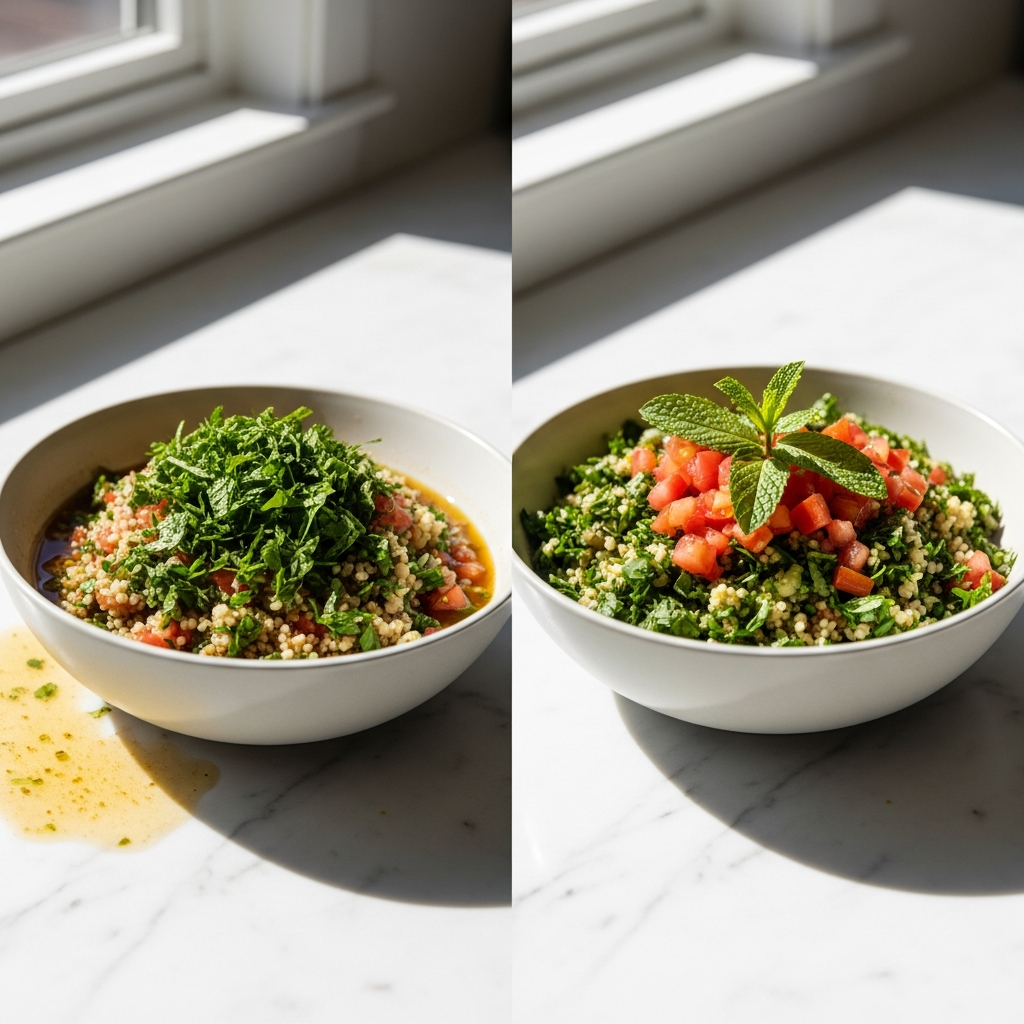
This is the number-one complaint, and it almost always stems from excess moisture. Tomatoes release juice, parsley holds rinse water, and bulgur can be over-hydrated. Fixing the problem begins earlier than most people think. After rinsing parsley, spin it thoroughly and lay it on clean towels for a few minutes. Seed and dice tomatoes, then let them drain in a sieve while you work on other components. If you soak bulgur, let it absorb lemon and olive oil rather than water, and stop when it is just tender. These moves set the stage for a salad that stays perky in the bowl instead of collapsing.
Once assembled, give the salad a gentle toss and then a brief rest. That pause allows flavors to meet and moisture to distribute without rushing to the bottom of the container. When you serve, you will notice less pooling and more of that tidy, fluffed texture Naperville diners love.
Issue: Bitter Parsley or Harsh Greens
Bitterness creeps in when parsley is chopped too roughly or bruised in a processor. Large, torn leaves release harsher notes and can make the salad feel aggressive. The fix is the oldest in the book: a sharp knife and patience. Slice parsley thinly in clusters, almost shaving it, so the stems and leaves integrate. You will taste the difference instantly. The flavor calms down, the texture turns plush, and the salad tastes cleaner overall.
Mistakes happen when the rush is on—especially before guests arrive or between errands. If you end up with a slightly bitter batch, you can soften the edges with a few extra drops of lemon and a measured drizzle of olive oil. Let the bowl rest for ten minutes and reassess. Often, that reset is enough to bring things back into balance.
Issue: Flat, Muddled Flavor
When Taboili tastes dull, the proportions are usually off. Lemon wakes up the palate, salt sharpens edges, and mint adds lift. If any one of these is missing, the salad can read as polite but forgettable. Correcting this is a matter of increments. Add a pinch of salt, toss, taste. Squeeze a bit of lemon, toss, taste. Fold in a fresh handful of mint if the aroma has faded. Because Naperville diners often take Taboili on the go, it is smart to keep a lemon wedge nearby and refresh right before eating.
Another subtle driver of muddled flavor is over-mixing. Stir gently to keep individual ingredients distinct. The goal is integration, not compression. When you respect the structure, each bite delivers brightness rather than a one-note blend.
Issue: Bulgur That Dominates
Traditional Taboili is herb-first; bulgur should play a supportive role. If your bowl skews grain-heavy, the salad can feel starchy and lose its sparkle. Fix this by measuring bulgur with intent and using a fine grind. Soak just until tender, not to the point of softness. If you overshoot, balance the ratio by adding more parsley and tomatoes and correcting lemon and salt. You will restore the salad’s spring quickly.
When ordering in Naperville, you can spot an herb-forward bowl by sight. Look for a fluffy, green profile with grains dotted throughout rather than clumping at the bottom. That visual test saves time when you are deciding on a quick lunch between meetings.
Issue: Overly Salty or Overly Sour
Because the ingredient list is short, seasoning swings loudly. If you go too far in either direction, the fix is dilution with fresh components. Add more chopped parsley and tomatoes, then refresh with a drizzle of olive oil. If salt is the issue, the vegetables will bring it back into range. If sourness dominates, ease up with a small spoon of bulgur and a minute of rest so the acid mellows. Most bowls can be steered back to balance with a few thoughtful additions rather than starting over.
This is also an ordering cue. A great Taboili arrives tasting bright, not sharp, and seasoned rather than salty. When you experience that poise, you know the kitchen trusts its technique.
Issue: Mint That Disappears
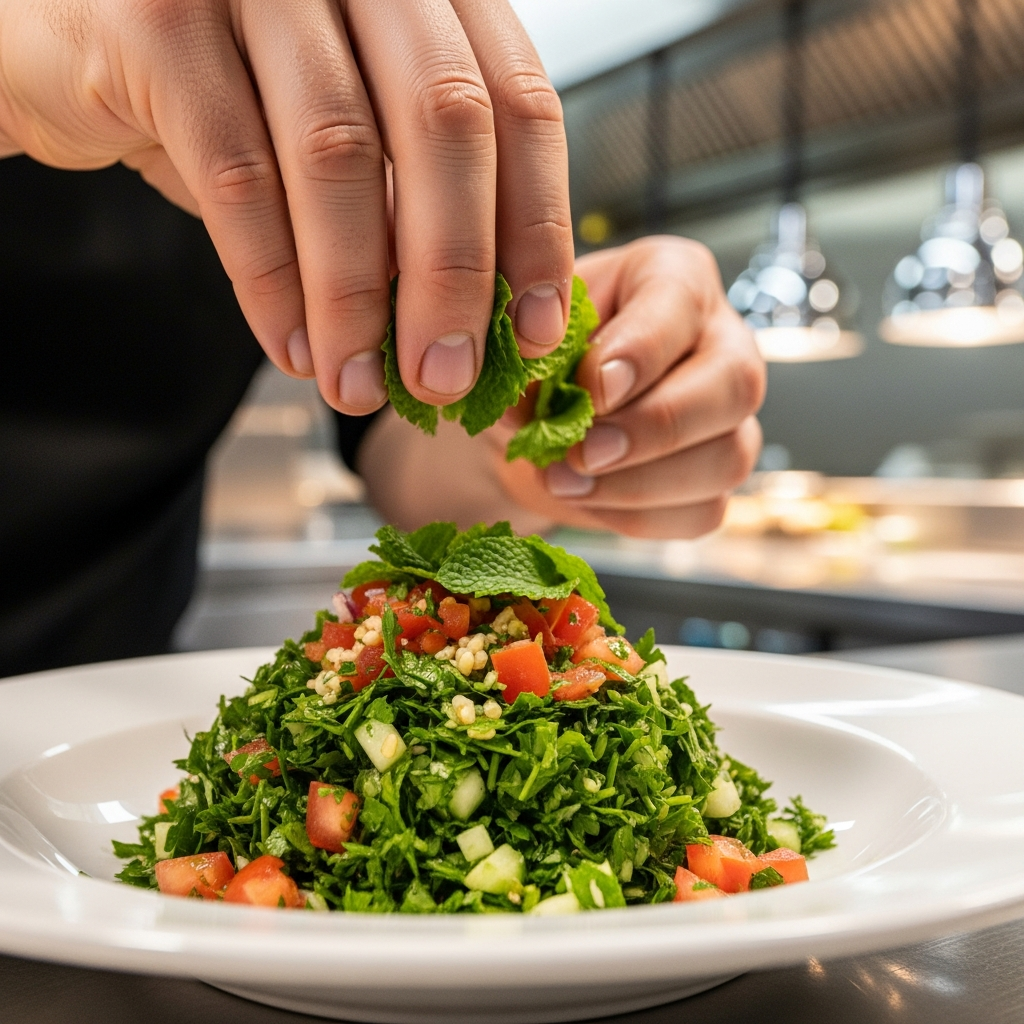
Mint is the small miracle in Taboili, but it bruises easily. If chopped too early or too roughly, its perfume fades. Naperville cooks often slice mint at the very end, rolling leaves and using a light touch with the knife. They then fold it through gently right before serving. If your bowl has gone quiet, a late addition of mint can reawaken aroma without disturbing the structure you built.
In restaurants, you may see a light sprinkle of mint on top. That is not just for looks; it guarantees you experience the fragrance in the first bite.
Issue: Travel and Time
From Ogden Avenue commutes to evening practices, life in Naperville tests a salad’s stamina. Taboili does well if given a few advantages. Chill it thoroughly before travel, pack it in a snug container, and consider keeping a small lemon wedge separate to refresh at the moment of eating. Avoid stacking other wet items on top in the same container. At gatherings, keep the bowl shaded and cold. With these steps, the salad will hold long enough for an afternoon of happy grazing.
For potlucks, bring a little extra chopped parsley and a spare lemon. If the bowl needs a pick-me-up after an hour on the table, add a spoonful of herbs and a squeeze, toss gently, and it will return to form.
Issue: Winter Tomatoes and How to Cope
Off-season tomatoes can taste shy and release more liquid. The fix is twofold: dice smaller and rely more on lemon zest and mint to deliver brightness. Some local cooks also choose firmer varieties and let them drain a touch longer before mixing. You are not forcing summer flavor; you are aligning the salad with the season while protecting texture.
When tomatoes are truly pale, consider topping your portion with a few extra green onions for aromatic lift. That small move keeps the bowl lively even on the coldest evenings.
Issue: Knife Fatigue and Shortcuts
When the chopping gets tiresome, temptation grows to reach for a processor. The short-term time savings rarely pay off. Over-chopped parsley weeps, becomes bitter, and loses the plush quality that defines a great Taboili. The Naperville workaround is teamwork: split the prep, keep knives sharp, and take a brief break if you must. The reward is a salad that tastes handcrafted and holds up beautifully at the table.
Another compromise is to prep in stages. Wash and dry herbs early, then chop right before assembly. This pacing protects texture while smoothing the workload during busy evenings.
Reading a Menu Like a Pro
When ordering in town, visual cues and descriptions help. A photo that shows fine chop and fluff signals care. Keywords like “herb-forward” and “lemon-bright” suggest a kitchen that understands proportion. If you are still deciding, hop into the Mediterranean menu and look for how Taboili is paired with other items—good partners are a sign the restaurant respects the salad’s role.
Once the bowl arrives, your first forkful should taste organized: crisp herbs, gentle grain, clear lemon, and a background hum of mint and onion. When those elements are in place, you know the fixes above are already woven into the kitchen’s routine.
Frequently Asked Questions
Why does my Taboili turn watery after an hour?
Excess moisture from parsley and tomatoes is the usual culprit. Dry herbs thoroughly, seed and drain tomatoes, and soak bulgur in lemon and oil rather than water. A short rest before serving evens out moisture without pooling.
How fine should I chop the parsley?
Very fine, using a sharp knife. Aim for delicate shavings rather than rough pieces. This approach keeps texture plush and flavor gentle.
What can I do if I over-salt the salad?
Fold in more parsley and tomatoes, then add a light drizzle of olive oil. Taste after a short rest; most bowls return to balance without starting over.
Can Taboili hold up for a picnic at the Riverwalk?
Yes. Chill the salad well, pack it tightly, and keep a lemon wedge for last-second refreshment. Avoid stacking wet items on top and keep the bowl shaded and cool.
How do I fix bland Taboili without overcorrecting?
Add in small steps: a pinch of salt, a brief toss, a small squeeze of lemon, and perhaps a little fresh mint. Taste between each change to steer the flavor gently.
What visual cues signal a great Taboili when ordering?
Look for a fluffy, green-forward bowl with finely chopped herbs and evenly distributed grains, plus a bright, citrusy aroma when the lid comes off.
When you are ready to enjoy a bowl that gets all the details right, visit a trusted spot in town and let Taboili anchor your meal. Start your order by checking the full menu, add the salad to your plate, and bring it along to a backyard table, a sunny bench by the Riverwalk, or a cozy corner at home.