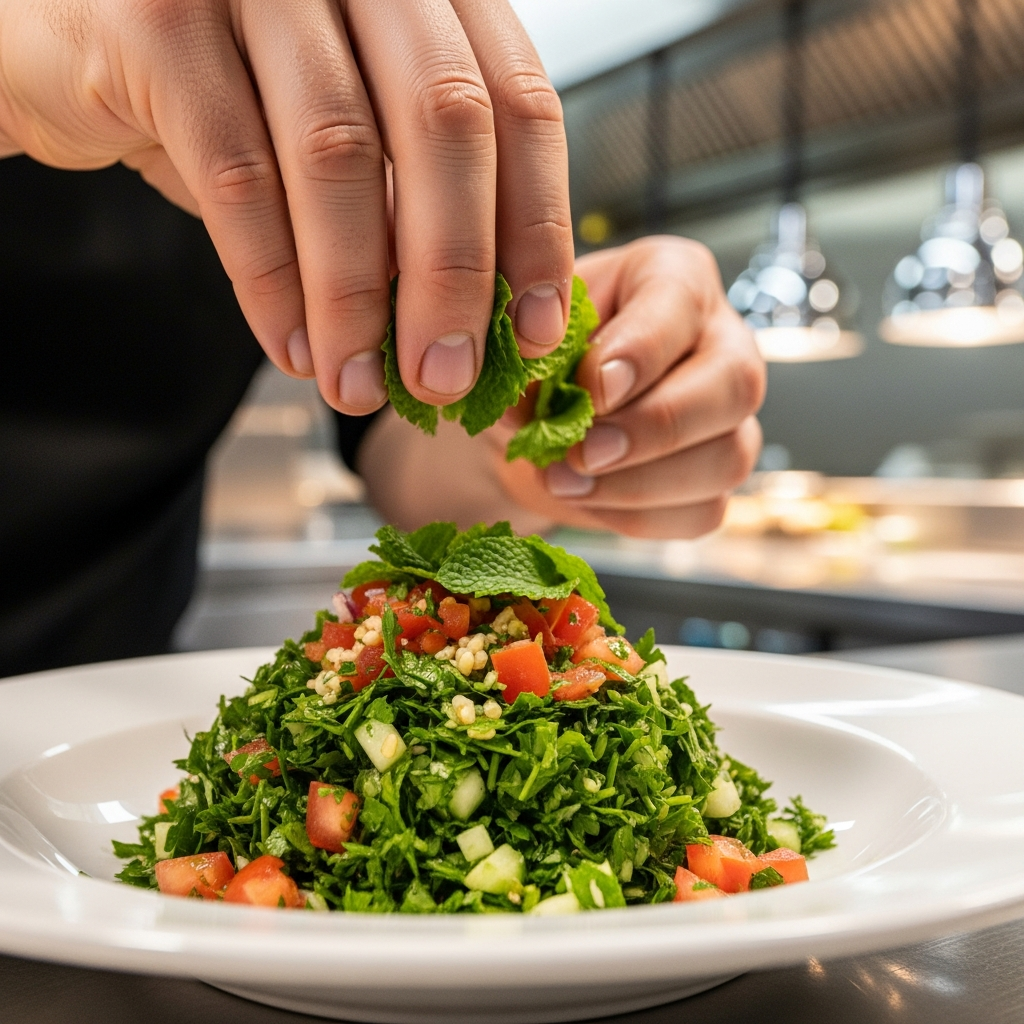
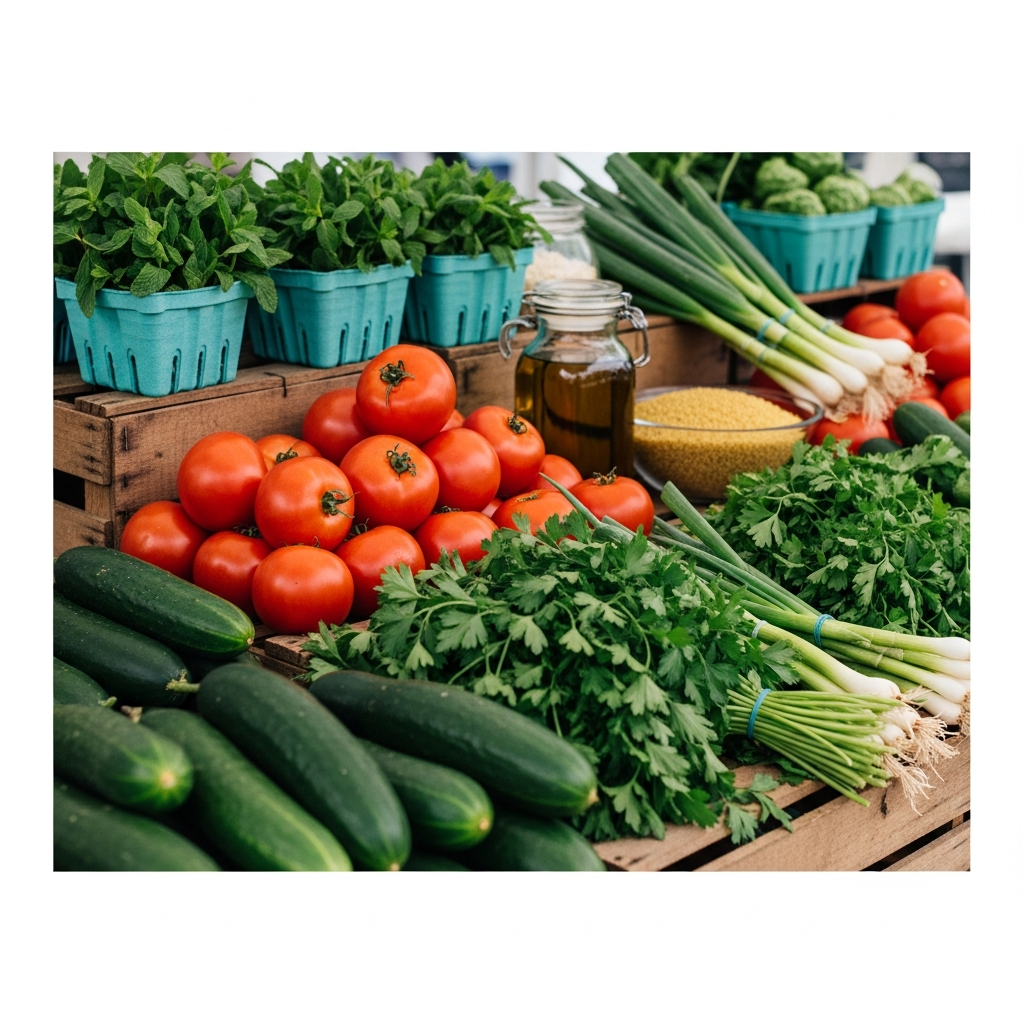
In Naperville, the joy of Taboili begins long before you reach for the cutting board. It starts at the moment you select your parsley, nudge a tomato to test its ripeness, or bring a bundle of scallions to your nose to listen for that crisp, peppery whisper. The ingredients you gather here shape everything that follows, because Taboili is a salad that rewards attention to freshness and texture more than any trick in the kitchen. The right herbs will make your knife hand eager; the right vegetables will help the dressing taste inevitable; and the right grain will vanish into a satisfying, gentle chew. When neighbors ask me where to start, I always answer the same way: begin with the greenest greens and the brightest citrus you can find, and let Naperville’s markets guide the rest.
Parsley is the soul of the salad and the first test of your eye. Look for bunches with lively stems and leaves that spring back when you shake them. If the bunch feels heavy and compact, check that the inner leaves are not yellowing or slimy. A good bunch smells like rain and cut grass, a sign that the oils are singing. Flat-leaf parsley gives you a deeper herbal bass note; curly parsley adds delicate texture that can hold droplets of dressing. Many Naperville cooks mix the two to capture both flavor and bounce. Whatever you choose, freshness trumps everything, because those leaves carry the flavor that makes Taboili feel alive.
Tomatoes come next, and here the time of year determines your approach. In the height of summer, cherry or heirloom tomatoes can be sweet and fragrant, their skins thin and reassuring. In cooler months, I often reach for plum tomatoes, which tend to be less watery, allowing for a neater dice and a more controlled salad. You want tomatoes that smell like the plant, not like the fridge. When you slice them, pay attention to the juice; if it runs wild, consider seeding or salting lightly to keep the salad buoyant rather than soggy. Think of tomatoes as a bright accent; their job is to color the field of parsley, not to take it over.
Cucumbers offer a cooling crunch. Persian or mini cucumbers are ideal because their seeds are small and their skins tender, but a well-chosen English cucumber can be wonderful too. If seeds are large and watery, scoop them out with a spoon and cut the flesh into tiny cubes that can hide among the parsley. When you bite a test slice, you should taste clean, grassy sweetness and feel immediate snap. That texture is what keeps a Naperville potluck plate interesting, especially on a warm afternoon.
Mint and Scallions: Aromatic Supporting Cast
Mint is a brightener, not a bulldozer. Choose sprigs that smell cool and clean. Rub a leaf between your fingers; it should release fragrance without any muddiness. Slice mint into thin ribbons so it distributes evenly without overshadowing the parsley. Scallions should be glossy and firm, with vibrant greens and no wilt. The white ends need to be crisp enough to crack with a cut, because their delicate onion note acts like a frame for everything else in the bowl. When mint and scallions are right, you will notice the salad’s aroma catching up to you before your fork lands.
The Grain Question: Choosing Bulgur With Care
Fine or medium bulgur works best for Taboili because it softens quickly and integrates with the herbs without stealing attention. When you pour it into your palm, the granules should look even and smell a little toasty. If your market stocks multiple varieties, ask about the grind, because overly coarse bulgur can make the salad clunky. I like to hydrate it with lemon juice and a splash of water rather than hot liquid, which preserves a pleasantly resilient chew. Here in Naperville, where busy schedules sometimes shrink prep time, that quick soak can be the difference between a harried rush and a breezy, confident toss.
Olive Oil and Lemon: The Twin Engines
Lemon is your brightness and olive oil your warmth. You will want lemons with taut skin and weight that hints at ample juice. Roll them beneath your palm to wake them up, then cut and squeeze just before dressing. For oil, look for a bottle labeled extra virgin with a fresh, grassy aroma. Pour a teaspoon into a spoon and taste it by itself; if it feels lively and clean on your tongue, it will flatter the herbs. I like to whisk the two with a pinch of salt in a small bowl and taste that mixture until it feels inevitable, like something the parsley was always meant to meet.
Salt and Subtle Spices
A good sea salt dissolves quickly and seasons evenly. Add it with a measured hand as you go—some on the parsley, some on the tomatoes, and a final touch in the dressing. As for spices, a whisper of black pepper brings a gentle hum. If your family leans toward allspice or a pinprick of cinnamon, keep it subtle so the herbs never lose their lead. The idea is to lengthen flavors, not redirect them.
Shopping Around Naperville With Purpose
Part of the fun is letting local shops and markets steer your choices. On a weekend morning, I like to walk the stalls, pick the most fragrant bunches of herbs, and then build the rest of the salad around them. If I find tomatoes that smell like sunshine and cucumbers that snap cleanly, I know I am close to the finish line. If the herbs look tired that day, I adjust my plan—maybe make a smaller batch or add extra lemon to reawaken what is available. This kind of ingredient-led cooking suits Naperville life well, because it respects the ebbs and flows of the seasons and the offerings of neighborhood grocers.
Balancing the Bowl
Once you are home, gather your ingredients on the counter and assess them together. If the parsley is especially vibrant, you can offer more space to tomatoes and cucumbers for contrast. If your tomatoes are juicy, hold back a touch of oil. Taste the lemon and oil dressing on its own, then ladle it in gently, tossing until each leaf looks lightly kissed rather than drenched. There is a quiet thrill to getting this right; you can feel the salad shifting from a pile of chopped things into a single voice.
Pairings That Make Sense
When I am deciding what to serve with Taboili, I sometimes peek at a Mediterranean menu and take cues from the company this salad keeps. It loves grilled chicken or lamb, roasted eggplant, lemony potatoes, and warm bread. In warm months, I bring it to outdoor gatherings where it acts like a friendly diplomat, speaking to everyone at the table, from the person who wants something light to the one who prefers bold, savory bites. In cooler weather, it brightens heavier dishes, offering a green, citrusy counterpoint that wakes the palate.
Storing and Prepping Ahead
If you are entertaining, you can rinse herbs in the morning and let them dry on towels, dice tomatoes and cucumbers, and keep each component chilled separately. Hydrate the bulgur just before assembling so it does not over-soften. When it all comes together, give the bowl a short rest, then taste and adjust. A little extra lemon or a spin of oil can turn a good salad into the one guests crowd around.
FAQ: What kind of parsley is best?
Flat-leaf is often favored for depth of flavor, while curly brings texture that catches dressing. Many Naperville cooks use both, leaning toward flat-leaf for taste and adding curly for a springy mouthfeel. The freshest bunch is always the right one.
FAQ: Can I use quinoa instead of bulgur?
Yes, especially if you need a gluten-free option. Cook it lightly, let it cool and dry, then fold it in sparingly so the herbs are still leading. The same rules apply: the grain should support, not distract.
FAQ: How do I keep the salad from getting watery?
Dry herbs thoroughly, dice tomatoes small, and let the bulgur sip their juices. If cucumbers are watery, seed them. Season in stages, tasting as you go, and let the salad rest briefly to allow everything to settle.
FAQ: What olive oil should I buy?
Choose a fresh-tasting extra virgin olive oil with a clean, grassy aroma. If it tastes pleasant by itself, it will flatter your salad. Store it away from heat and light so it remains lively until the bottle is empty.
Let the markets of Naperville be your compass this week. Pick the lively bunches, the fragrant lemons, and the crispest cucumbers, then bring them home and trust your hands. If you want inspiration for what to plate alongside, a quick look at a Mediterranean menu can spark ideas, but your senses will do the real guiding. Chop with care, season with confidence, and you will taste a little Naperville sunshine in every bite.