Walk into a shawarma shop in Naperville today and you’ll notice something subtle yet exciting: the classics remain, but the details keep evolving. There is always the hypnotic spin of the spit, the hum of conversation as orders are called, the perfume of garlic and paprika. But look closer and you’ll see new vegetable-forward bowls, crisper edges on chicken, chili sauces calibrated by heat level, and seasonal touches that echo what’s growing in Midwest gardens. Our city adapts quickly when it comes to food, and shawarma is one of the clearest examples. If you’re thinking about where your next meal might go, you’ll get inspiration by checking the menu and noticing which trends are beginning to define our local tastes.
Trends don’t appear out of thin air; they grow from conversations between cooks and diners. In Naperville, that dialogue is especially lively. Busy families ask for speed without sacrificing craft. Students want bold, clean flavors that don’t slow them down. Health-minded residents favor produce and lean proteins without compromising on satisfaction. When requests intersect with technique, you see innovation. The city’s shawarma scene has responded with precision, shaping a style that feels distinctly suburban-Midwestern while honoring the dish’s roots.
Crispier edges, juicier centers
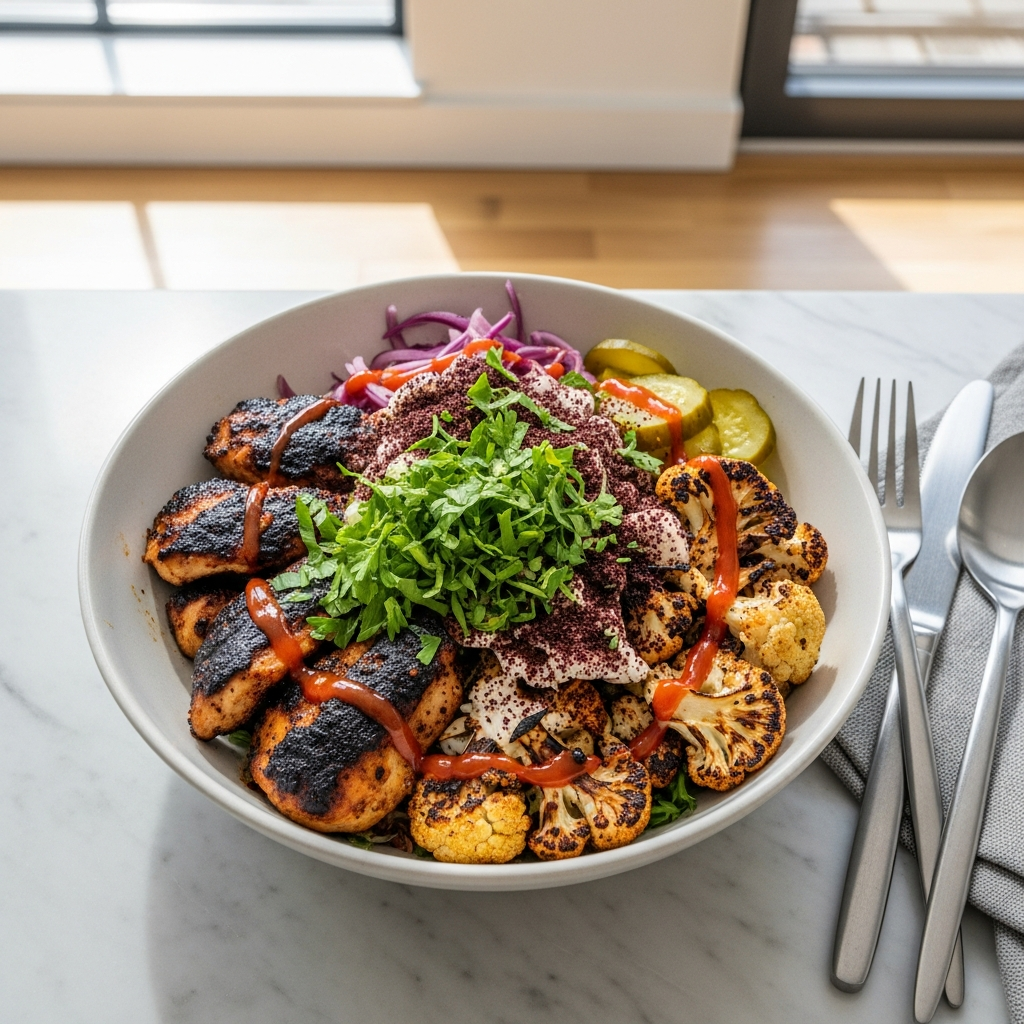
One of the most noticeable shifts is a focus on texture. Cooks are giving chicken and beef just a touch more time on the griddle after shaving from the spit, chasing that balance where edges singe and curl while the center stays tender. This extra step magnifies aroma, delivering a toasty note that plays well with cool tomatoes and bright pickles. Diners have been asking for “a bit more char,” and kitchens are meeting them there, proof that small adjustments can have big sensory payoffs.
This textural finesse extends to vegetarian options as well. Mushrooms sear beautifully when treated like meat, soaking up cumin and garlic before releasing their own savory juices. Cauliflower gets coaxed into caramelization, then tucked into bowls with herbs and tahini. These moves keep plant-forward plates exciting, not just virtuous.
Vegetable-forward bowls with real heft
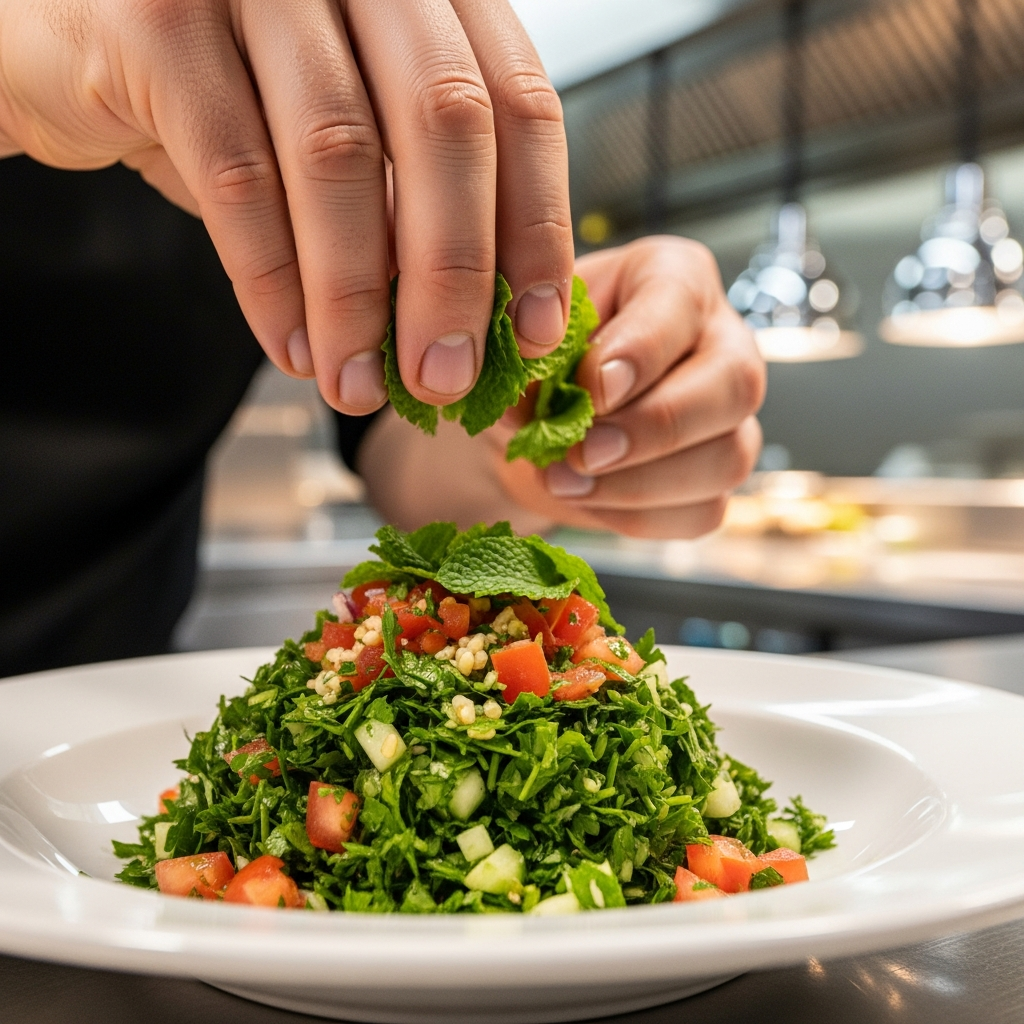
Another clear trend is the rise of bowls that emphasize produce. Instead of bread as the default, many diners are building meals on greens, grains, or a mix of both. What distinguishes the best of these bowls is intention: chopped cucumbers and tomatoes for freshness, parsley for brightness, pickled turnips for zip, and a measured drizzle of tahini to tie it all together. The goal isn’t to strip away comfort; it’s to shift the center of gravity so you feel energized rather than weighed down.
Naperville’s love of outdoor activities makes these bowls an especially good fit. After a walk along the Riverwalk or a jog near the quarry lakes, a vegetable-forward shawarma bowl tastes like a reward that respects your effort. Add a few warm slices of chicken or a scoop of falafel for protein, and you’ve got a lunch that carries you through a busy afternoon without a sag in energy.
Heat, but make it precise
Our local palate has grown bolder, and shops are responding with nuanced approaches to heat. Instead of a one-size-fits-all chili sauce, you’ll find options ranging from a friendly glow to a confident burn. The trick is balance. When heat is layered over garlic, lemon, and toasted spices, it feels integrated rather than aggressive. People who once avoided spice now ask for a “little warmth,” and that gentle encouragement has broadened the city’s comfort zone.
Precision in heat also shows up in how sauces are used. A thin line of chili across the top of a wrap allows you to steer each bite. In a bowl, a small dollop you can blend or avoid gives control back to the diner. The point isn’t to show off toughness; it’s to make spice a dynamic part of the flavor picture.
Better veg, better pickles, better herbs
Quality produce may not sound like a trend, but the level of attention it’s getting in Naperville right now feels new. Kitchens are choosing tomatoes that hold shape and flavor, cucumbers that crunch, and parsley that smells as if it was just snipped. Pickles, often an afterthought, are getting more love—firmer textures, cleaner brines, and the kind of tang that sets off the richness of meat without overwhelming it.
These refinements aren’t flashy, yet they change the overall experience. A wrap with truly crisp vegetables and lively herbs tastes more vivid, leading you to eat with attention. That mindfulness has its own momentum; once you realize how much joy comes from small improvements, you start to seek them out.
Bowls that borrow from salads without losing soul
A compelling development is the way shawarma bowls are borrowing from classic salads like fattoush and tabbouleh. You’ll see toasted pita chips adding crackle to a bite, or bulgur sneaking in for a nutty note. Lemon-forward dressings whisper across herbs so each forkful feels like a breeze. These nods aren’t gimmicks. They’re acknowledgments that shawarma flavors live comfortably across formats. In the hands of thoughtful cooks, the boundaries blur in the most delicious way.
This has practical benefits for families, too. When kids already love the chicken, it’s easy to introduce more greens or grains in a familiar bowl. The household gets a win: comfort for one person, discovery for another, and a shared meal that doesn’t require separate orders.
Smarter sauce usage
Sauces remain essential, but the trend is toward intention rather than abundance. Garlic sauce is being whipped lighter, tahini is thinning just enough to drizzle, and yogurt blends are leaning on lemon and herbs. The result is brightness and clarity. Diners still get creaminess, but in quantities that let the other players speak. This restraint has nothing to do with austerity. It’s about bringing the whole chorus into harmony.
Another small but satisfying shift: sauces offered on the side by default when you choose bowls. Customization is a big deal in Naperville, and this move respects the way people build flavor across a meal—maybe a light hand at first, then an extra ribbon as you reach the final bites.
Comfort that holds up to travel
Takeout is woven into suburban life, and shawarma is excelling at travel-friendliness. Shops are packing warm and cool components separately, venting containers so steam doesn’t wilt crisp edges, and providing sauces in spill-proof cups. These operational tweaks show up directly in taste. When your wrap enjoys a gentle rest instead of a steamy sauna in the bag, you arrive home to something close to counter-fresh.
Families appreciate how reliably shawarma feeds a crowd without chaos. A spread of bowls and wraps turns a living room into a picnic, with everyone assembling their own ideal bite. It’s an easy way to mark a weeknight win or celebrate a weekend milestone.
Vegetarian and vegan shawarma that feels complete
Plant-based options are evolving beyond token gestures. Falafel continues to be popular, but roasted vegetables seasoned like shawarma are stepping into the spotlight. Mushrooms, eggplant, and cauliflower respond beautifully to cumin, coriander, and paprika, offering the same savory backbone that makes meat shawarma so compelling. The key is technique: enough heat to build flavor and texture, enough rest to keep juices where they belong.
When built with intention—herbs, pickles, lemon, and a thoughtfully portioned sauce—vegetarian shawarma can feel every bit as complete as its meaty cousin. This parity expands the social reach of shawarma, letting more households say yes to a shared dinner without someone feeling like an afterthought.
Seasonal cues from the Midwest
Naperville kitchens are learning from local seasons. In spring and summer, you’ll taste brighter herbs and lighter sauces, paired with raw vegetables that really crunch. In fall and winter, spices skew a touch warmer and bowls tip toward rice and caramelized onions. These are small shifts, but they align shawarma with what our bodies naturally want as the light changes. Matching food to season isn’t just romantic; it’s practical pleasure.
There’s also a subtle design change happening with winter takeout: tighter wraps, slightly thicker pitas, and containers that keep warmth without sogging the edges. Those details are the difference between a comforting dinner and a forgettable one on a snowy night.
Personalization as the default
Perhaps the most Naperville-specific trend is the normalization of micro-customization. “Light sauce,” “extra pickles,” “more char,” “add herbs”—these requests are part of the vernacular now. Shops are building systems that make yes the easiest answer. That responsiveness invites creativity. Once you realize you can steer your meal with small nudges, you keep experimenting, eating more mindfully without sacrificing spontaneity.
For first-time diners or guests, this culture of customization lowers the barrier to entry. With a quick glance at the shawarma menu, you can assemble a plate that suits both preference and occasion, then refine it the next time based on what you loved.
Quality control behind the counter
Trends depend on good fundamentals. Behind the scenes, shops are paying closer attention to marination times, spit loading, and final sears. They’re rotating vegetables more frequently so crunch and color never fade. And they’re training teams to recognize doneness by sight and sound as much as by timer. The result feels effortless from the customer’s side, but it’s built on discipline.
This quiet rigor deserves recognition because it protects the soul of the dish while allowing growth. Innovation that rides on shaky technique collapses quickly; innovation rooted in craft lasts. Naperville’s shawarma scene seems to understand that, which is why the new ideas we’re tasting feel confident.
Where the trends are heading next
Expect to see even more playful crossovers: shawarma-spiced roasted vegetables in grain bowls, citrus-heavy herb mixes, and desserts that echo the spice cabinet in gentle ways. Expect packaging to keep improving so that takeout tastes like dine-in. Expect sauces to get more aromatic and less cloying, leaning into lemon and garlic over sheer heft. And expect vegetarians to receive continued care, not just options.
What won’t change is the heart of the experience: warm, seasoned meat or vegetables paired with fresh crunch and a lift of acidity. That’s the center of gravity, and it’s secure.
Frequently asked questions about shawarma trends
What makes a trend worth keeping? It should enhance flavor, texture, or convenience without erasing shawarma’s core identity. Crisper edges and brighter herbs pass that test; gimmicks that distract do not.
Are bowls replacing wraps? Not replacing—complementing. Bowls serve moments when you want more vegetables or a fork-friendly meal, while wraps remain perfect for portability and cozy comfort.
How spicy is Naperville’s shawarma getting? Spicier by choice, not by default. You’ll find more heat options, but balance remains the priority so all palates feel welcome.
What are the best vegetarian developments? Properly roasted vegetables seasoned like shawarma, plus thoughtful bowls that include herbs, pickles, and sauces in measured amounts so the plate feels complete.
How can I participate in these trends at home? Ask for sauces on the side, request extra herbs or pickles, and play with bases like greens or grains. Small customizations help you discover your sweet spot.
Where should I look for inspiration? Keep an eye on the menu for seasonal specials and new builds. Notice how shops talk about texture and herbs—that’s where much of the excitement lives.
Find your next favorite bite
Naperville’s shawarma scene is moving with purpose, guided by diners who know what they like and cooks who love to deliver. Whether you crave char-kissed edges, garden-bright bowls, or a classic wrap that tastes like a warm handshake, you’ll find it here. When you’re ready to experiment or simply want a reliable dinner that feels a little special, scan the Naperville shawarma menu and imagine how you’ll build your perfect plate. Then take a bite and taste where the city is heading.