What Makes Food Halal? A Complete Guide for Naperville Diners
Roughly one in four people worldwide follows halal dietary guidelines, yet the question of what actually qualifies food as halal still trips up many diners in Naperville and across the western suburbs. Whether you’re exploring Mediterranean cuisine for the first time or simply want to eat with more intention, understanding halal principles helps you make confident choices at any restaurant table.
What does “halal” actually mean?
“Halal” is an Arabic word meaning permissible or lawful under Islamic dietary law. Its opposite, “haram,” means forbidden. The term covers far more than just the type of meat served. It describes a complete framework for how food is sourced, prepared, handled, and served. For a meal to be genuinely halal, every step in the chain, from the farm to the kitchen to the plate, must meet specific requirements. Most diners are surprised to learn that the concept applies to beverages, cooking oils, and even food additives, not just proteins.
Which foods are considered haram, and why does it matter to diners?
Under Islamic dietary law, certain foods are categorically prohibited. Pork and pork-derived ingredients (including lard, gelatin from pork, and some food additives) are forbidden. Alcohol and any food prepared with or containing alcohol is also haram. Blood and blood-based products are prohibited, as are animals that were not slaughtered according to the prescribed method. Carnivorous animals and birds of prey are also off the list. For Naperville diners, this matters practically because cross-contamination, shared cooking surfaces, and hidden ingredients in sauces or marinades can all affect whether a dish is truly halal, even when the main protein appears to qualify.
What is halal certification, and who issues it?
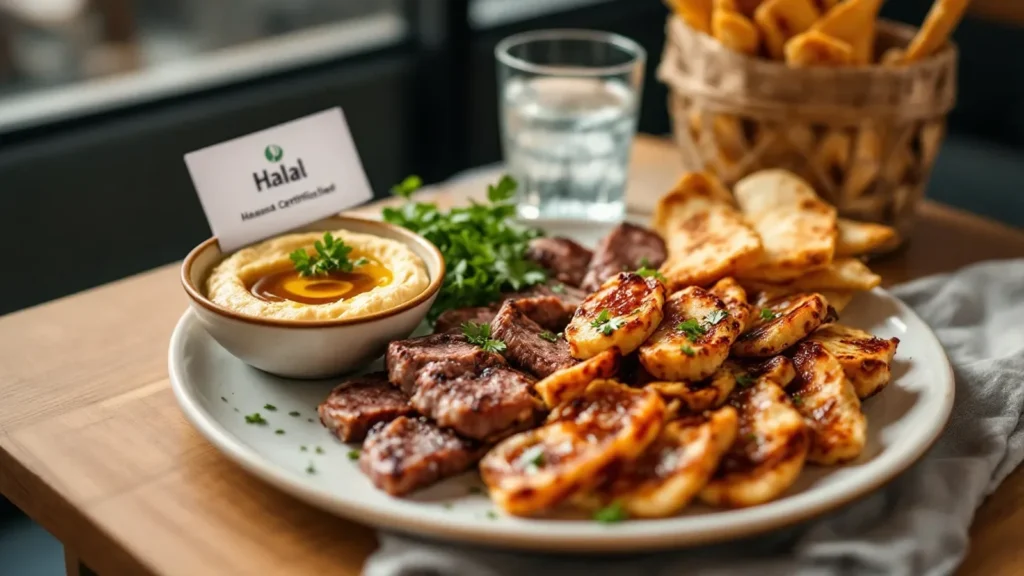
Halal certification is a formal verification process carried out by an accredited Islamic organization or certifying body. The certifier inspects a food producer, supplier, or restaurant to confirm that ingredients, handling procedures, and preparation methods all comply with halal standards. In the United States, several organizations issue halal certificates, and their standards can vary in strictness. A legitimate certificate identifies the certifying body, the scope of certification (specific products or the entire facility), and a renewal date. For restaurants, certification typically means both the meat supplier and the kitchen practices have been reviewed. When you see a halal certification seal displayed at a Naperville restaurant, it signals that an independent third party has verified the claims, not just the restaurant itself.
How is halal slaughter different from conventional slaughter?
The halal method of slaughter, known as dhabiha, requires that the animal be alive and healthy at the time of slaughter, that the cut be made swiftly to a specific point on the throat to minimize suffering, and that the name of God be invoked at the moment of slaughter. Blood must be fully drained from the carcass before the meat is processed. These requirements reflect both religious obligation and an emphasis on humane treatment of animals. Some certifying bodies also require that the animal be conscious (not pre-stunned), while others accept certain forms of pre-stunning that do not cause death before slaughter. Diners who care about the specific standard should ask the restaurant which certifying body covers their meat supplier.
Does halal certification apply to the whole restaurant or just the meat?
This is one of the most common points of confusion for Naperville diners. Certification can be scoped in different ways. A restaurant might certify only its meat supply chain, meaning the beef or chicken comes from a verified halal butcher, but the kitchen still uses wine in sauces or shares surfaces with non-halal items. A fully certified halal restaurant, by contrast, has had its entire operation reviewed: ingredients, storage, preparation areas, cooking equipment, and staff practices. When in doubt, ask directly. A restaurant that genuinely operates under halal principles will be comfortable answering specific questions about their sourcing and kitchen protocols. For more on how to read those answers, spotting a truly authentic halal kitchen covers the practical signals worth looking for.
What does halal food look like in Naperville’s dining scene?
Naperville sits within DuPage County, one of the most diverse suburban counties in Illinois, with a significant and growing Muslim community across the western suburbs. That demographic reality has shaped the local restaurant market meaningfully over the past decade. Mediterranean and Middle Eastern cuisines, which are naturally structured around halal ingredients like lamb, chicken, legumes, and fresh vegetables, have become some of the most in-demand dining options in the area. The city’s mix of young professionals, university-area residents from nearby institutions, and established South Asian and Arab-American families has created consistent, year-round demand for restaurants that take halal sourcing seriously rather than treating it as a marketing label. Finding halal food in Naperville has become noticeably easier as that demand has grown, but the quality and rigor of halal practices still varies considerably from one spot to the next.
Are Mediterranean and Middle Eastern dishes naturally halal?
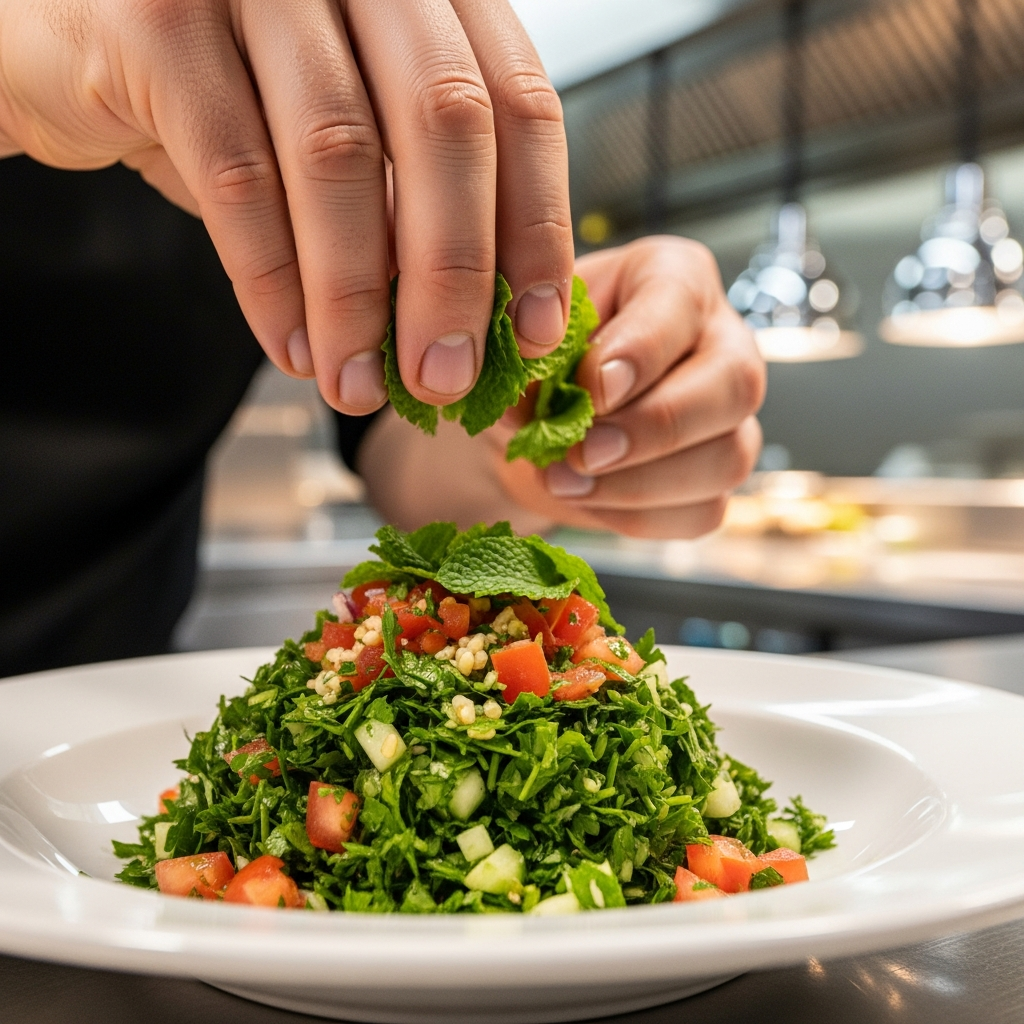
Many traditional Mediterranean and Middle Eastern dishes are built around ingredients that are halal by nature: grilled meats, rice, legumes, fresh herbs, olive oil, and yogurt-based sauces. Dishes like shawarma, falafel, hummus, tabbouleh, and grilled kebabs have deep roots in cuisines where halal preparation is the cultural default, not an add-on. That said, “Mediterranean” on a menu does not automatically mean halal. Some Mediterranean dishes incorporate wine reductions, pork-based charcuterie, or non-halal meat. The cuisine’s origins are halal-compatible; the specific restaurant’s sourcing and kitchen practices determine whether a given plate actually qualifies. If you’re comparing the broader culinary traditions, Mediterranean versus Middle Eastern food in Naperville breaks down the distinctions in more detail.
How should I ask a restaurant about their halal practices without feeling awkward?
Asking about halal sourcing is a completely reasonable and increasingly common request. A straightforward approach works best: ask whether the meat is halal-certified and which certifying body covers the supplier. You can also ask whether alcohol is used in any marinades, sauces, or cooking processes, and whether halal and non-halal items are prepared on separate surfaces. Restaurants that take halal seriously will have clear, ready answers. If staff seem uncertain or give vague responses like “we think it’s halal” or “most of it is,” that’s worth noting. You’re not being difficult; you’re asking the same due-diligence question that any diner with a dietary requirement would ask. At Habibi Shawarma in Naperville, the team fields these questions regularly and can speak specifically to their sourcing.
Does halal food taste different from non-halal food?
The short answer is no, not inherently. Halal requirements govern how an animal is raised and slaughtered, not the spice profile or cooking technique. What does affect flavor is the quality of the meat, the freshness of ingredients, and the skill of the kitchen. Some diners report that properly drained halal meat has a slightly cleaner taste, since thorough blood removal is part of the process, but this is a subtle difference most people wouldn’t identify in a blind comparison. The bold, aromatic flavors associated with halal Mediterranean food, the cumin-forward shawarma, the charred edges on a properly grilled kebab, the brightness of fresh-herb sauces, come from the spice blends, marinating time, and cooking method, not from the halal designation itself. Fresh, well-sourced ingredients prepared with care will always outperform their opposite, regardless of certification status.
What about halal options for events and group dining in Naperville?
Naperville hosts a steady calendar of community events, corporate gatherings, and family celebrations where halal catering is either a preference or a firm requirement for a portion of the guest list. Planning ahead matters here because not every caterer maintains the same halal standards as a certified restaurant. When organizing a group meal or event, it’s worth confirming whether the caterer sources from certified halal suppliers, how food is transported and held (to avoid cross-contamination during service), and whether the menu can accommodate guests with overlapping dietary needs alongside halal requirements. For a deeper look at the logistics, planning halal catering for Naperville events walks through the key questions to ask before you book. Habibi Shawarma serves both dine-in guests and group orders, making it a practical starting point for Naperville hosts who need reliable halal food at scale.
What should I look for on a halal restaurant’s menu to gauge authenticity?
A few menu signals suggest a kitchen that genuinely operates within halal principles. Look for explicit mention of the certifying body or halal butcher, not just a generic “halal” label. Menus that list no pork products at all, and that don’t feature wine or beer prominently in sauces and cooking descriptions, reflect a kitchen built around halal from the ground up rather than one that added a halal section as an afterthought. Fresh, house-made bread is another positive indicator: at Habibi Shawarma, the pita is made in-house, and proper storage and freshness matter as much as sourcing. If you’ve ever wondered about keeping that bread at its best after you get home, storing pita bread the right way has practical tips. Ultimately, the clearest signal of authenticity is a restaurant willing to have a direct, specific conversation about where their food comes from.
Understanding what halal certification actually means puts you in a much better position as a diner, whether you follow halal guidelines yourself or simply want to eat at a restaurant where sourcing and preparation are taken seriously. Naperville’s growing halal dining scene reflects real community demand, and the restaurants meeting that demand with genuine rigor are worth seeking out. Habibi Shawarma on the Naperville dining scene is built around that standard: certified halal meat, a kitchen free of pork and alcohol, and a menu rooted in authentic Mediterranean preparation. Ready to taste the difference? Visit us in Naperville or explore our full menu to find your next favorite dish.