What Makes Food Halal? A Naperville Diner Guide
According to global food demographic data, halal cuisine is one of the fastest-growing culinary sectors in the United States, expanding far beyond its traditional roots to capture the interest of mainstream food lovers. In the bustling suburban culinary scene of Naperville, Illinois, local diners are increasingly seeking out high-quality, ethically prepared meals. Navigating the terms, sourcing rules, and preparation standards can sometimes feel complex if you are new to the concept. This guide is designed to clarify the core principles of halal food preparation, helping curious food lovers understand what goes into these dishes and how to find authentic options in the DuPage County area.
What is the basic definition of halal in food preparation?
At its core, “halal” is an Arabic word that translates directly to “permissible” or “lawful” under Islamic law. When applied to food, it defines the dietary guidelines outlined in the Quran. The opposite of halal is “haram,” which means forbidden. For a dish to be considered fully halal, every single ingredient, including seasonings, oils, and marinades, must be sourced and prepared in strict accordance with these dietary codes. This includes avoiding prohibited substances such as pork, pork byproducts, and alcohol, as well as ensuring that permissible meats are harvested using humane, specific methods. For diners exploring halal food near me, understanding these fundamentals is the first step to appreciating the care and dedication that goes into every plate.
What makes food halal when it comes to meat sourcing?
For meat to be certified as halal, the sourcing process must follow a strict set of ethical and physical standards known as Zabiha. The animal must be healthy and alive at the time of harvest, and the process must be performed by a trained professional who invokes the name of God (Allah) during the procedure. A swift, humane cut to the jugular vein, carotid artery, and windpipe is required to ensure rapid blood loss, which minimizes pain and ensures the meat is cleaned thoroughly. Additionally, the blood must be fully drained from the carcass, as consuming blood is strictly prohibited. This rigorous process is highly valued by diners because it emphasizes cleanliness, respect for animal life, and wholesome meat quality from pasture to kitchen.
How do kitchens avoid cross-contamination in halal cooking?
Maintaining a halal kitchen requires strict operational separation to prevent cross-contamination with non-halal items. For a dedicated halal restaurant, this means that no pork products or alcohol are permitted on the premises whatsoever, eliminating the risk of shared surfaces. In mixed kitchens, however, the standards require entirely separate cooking utensils, cutting boards, knives, grills, and prep stations. Even the cleaning supplies and sponges used to wash the dishes must be kept separate. Because even a trace amount of a non-halal ingredient can compromise an entire batch, professional establishments maintain rigorous training protocols for staff to ensure that every spatula, grill grate, and storage container remains completely isolated.
What role do ingredients like gelatin and enzymes play in halal standards?
Many diners are surprised to learn that food items do not need to contain chunks of meat to be considered non-halal. Many everyday processed ingredients contain hidden animal byproducts. For example, gelatin (commonly found in desserts, yogurts, and candies) is often derived from pork skin or non-halal beef bones. Similarly, enzymes used to coagulate cheese (such as animal rennet) or emulsifiers used in baking must be scrutinized. To be certified halal, a dish must utilize plant-based alternatives like pectin or agar-agar, or source certified halal animal enzymes. This meticulous attention to detail ensures that even simple sides, sauces, and desserts meet the necessary dietary guidelines.
Is alcohol allowed in any form within halal cooking?
The short answer is no. Under halal dietary laws, intoxicants of all kinds are strictly forbidden (haram). This rule applies not only to beverages served at the table but also to ingredients used during the cooking process. Cooking wines, beers, and spirits do not “cook off” thoroughly enough to meet halal standards, meaning classic culinary techniques like deglazing a pan with white wine or braising meat in beer are entirely off-limits. Furthermore, even common baking ingredients like pure vanilla extract can pose challenges because they are traditionally processed using an alcohol base. Halal-compliant kitchens must use alcohol-free flavorings, vinegar substitutes, and natural citrus juices to achieve the bright, acidic flavors traditionally found in Mediterranean and Middle Eastern marinades.
How does the Naperville climate and market shape local halal dining?
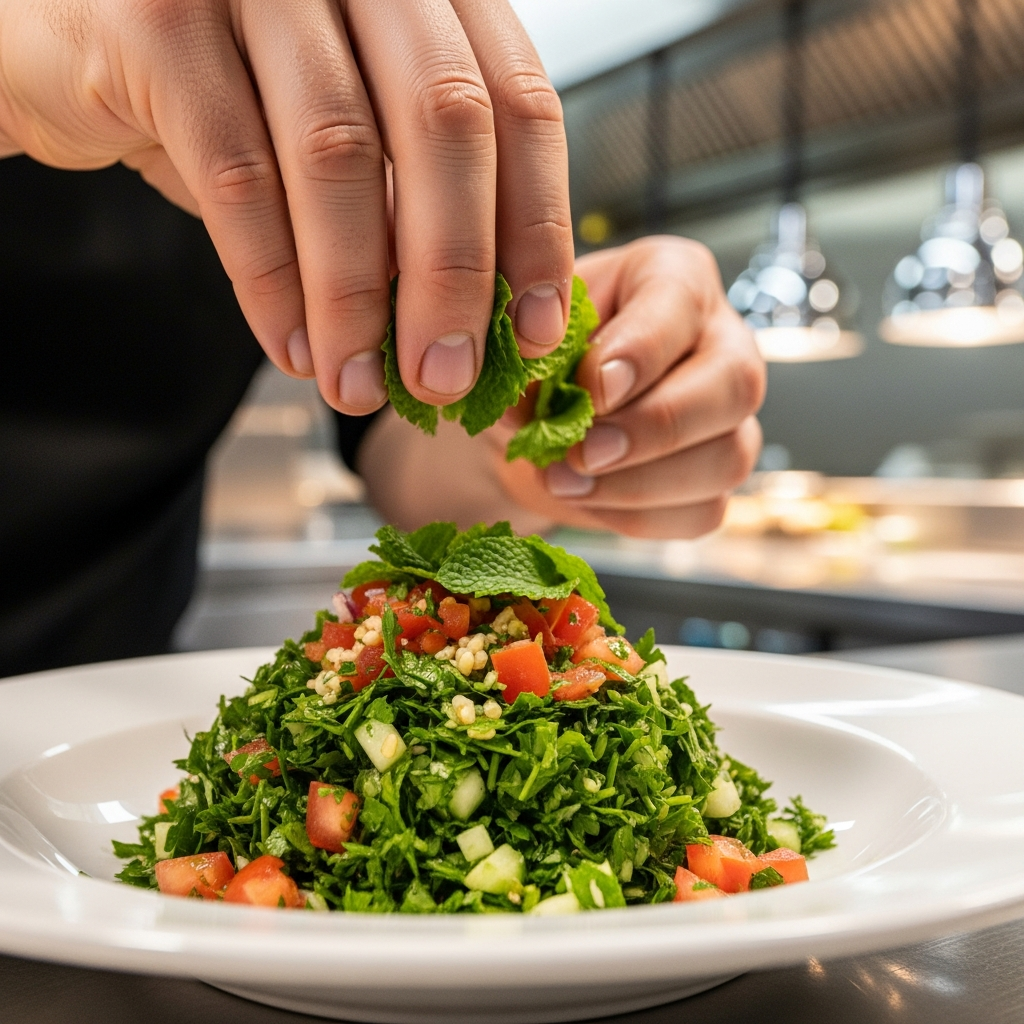
Naperville boasts a highly diverse population with a strong demand for diverse, high-quality international cuisines. Nestled in the heart of the Chicago suburbs, local diners experience hot, humid summers and bitterly cold midwestern winters, which naturally shifts seasonal dining preferences. During the brisk autumn and winter months, residents look for hearty, warming options like slow-roasted beef, spiced chicken shawarma, and hot lentil soups. In the summer, active families visiting the Naperville Riverwalk seek out lighter, fresh options. This climate variance drives local kitchens to offer versatile menus featuring both comforting, slow-cooked meats and crisp, refreshing salads. Additionally, Naperville’s active, health-conscious community highly values the clean, wholesome sourcing standards inherent in halal food preparation, making it a natural fit for the local lifestyle.
How do Mediterranean and halal cuisines overlap in Naperville?
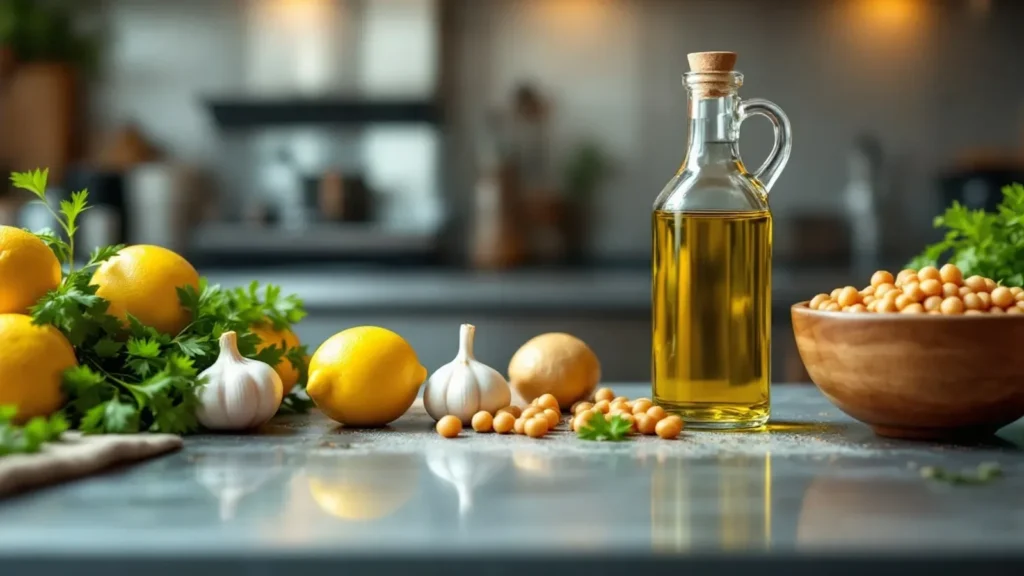
While “halal” refers to dietary laws and “Mediterranean” refers to a geographical region, the two culinary worlds frequently overlap in Naperville. Many classic Middle Eastern and Mediterranean dishes are naturally halal or easily prepared to meet those standards. Staple ingredients like olive oil, fresh garlic, lemon juice, chickpeas, and parsley are inherently permissible. When a local Mediterranean restaurant Naperville commits to sourcing halal-certified meats, it allows them to serve beloved classics like chicken shawarma, beef kabobs, and falafel to a broader, inclusive audience. If you are exploring various dining styles, you can read more about options like our guide on halal dietary options in Naperville to see how these culinary styles align.
What is the difference between halal and kosher food?
While halal and kosher are both ancient, faith-based dietary systems with similar structural rules, they are not interchangeable. Both systems prohibit pork and require specific, humane methods for slaughtering animals. However, there are key differences. Kosher laws (Kashrut) strictly forbid the mixing of meat and dairy products, requiring entirely separate dishes and sinks for each. Halal laws do not prohibit mixing meat and dairy, meaning a halal dish can feature both components. Additionally, kosher laws forbid the consumption of shellfish, whereas most Islamic dietary interpretations permit seafood. While some Muslims may consume kosher meat in the absence of halal options, a kosher-certified item is not automatically halal, and vice-versa, due to the differing blessing requirements during harvest.
How can you verify if a local restaurant is truly serving halal food?
When searching for authentic halal restaurants near me, there are several reliable ways to verify their credentials. First, look for official halal certification seals displayed on the restaurant’s window, menu, or website, issued by recognized organizations such as the Islamic Food and Nutrition Council of America (IFNCA) or Halal Transactions of Omaha. Second, do not hesitate to ask the staff about their sourcing; reputable establishments are always happy to share information about their meat purveyors. Finally, check if the business offers specialized services like halal catering in Naperville, which indicates a deep, structural understanding of how to prepare and transport compliant meals for large community gatherings.
Enjoy Fresh, Authentic Halal Dining in Naperville
Understanding what makes food halal reveals a culinary tradition rooted in respect, cleanliness, and exceptional ingredient quality. From the careful sourcing of meats to the meticulous prevention of cross-contamination, every step of the process is designed to deliver wholesome, flavor-rich meals. Whether you are seeking a quick, nourishing lunch or organizing a major family event, choosing a certified kitchen ensures you are getting food prepared with the utmost integrity. Next time you are planning a meal, explore the rich, vibrant flavors of authentic Mediterranean cooking and experience the difference that careful, traditional preparation makes.