Is Healthy Mediterranean Food in Naperville the Ultimate Balanced Diet?
How do you find a dining option that perfectly balances rich, slow-roasted flavors with heart-healthy, nutrient-dense ingredients? The answer lies in the time-tested traditions of Middle Eastern and Mediterranean cooking. In Naperville, busy families, fitness enthusiasts, and conscious diners are increasingly turning to these ancient culinary traditions as a delicious way to support their daily wellness goals.
By focusing on clean preparation methods, lean proteins, and antioxidant-rich vegetables, a traditional halal restaurant provides an abundance of wholesome, unprocessed choices. Whether you are aiming to eat more plant-based meals or simply want to clean up your weekly dinner routine, exploring healthy mediterranean food naperville offers a straightforward path to nutritious, satisfying dining right in your neighborhood.
1. Lean, Clean Proteins Prepared with Integrity
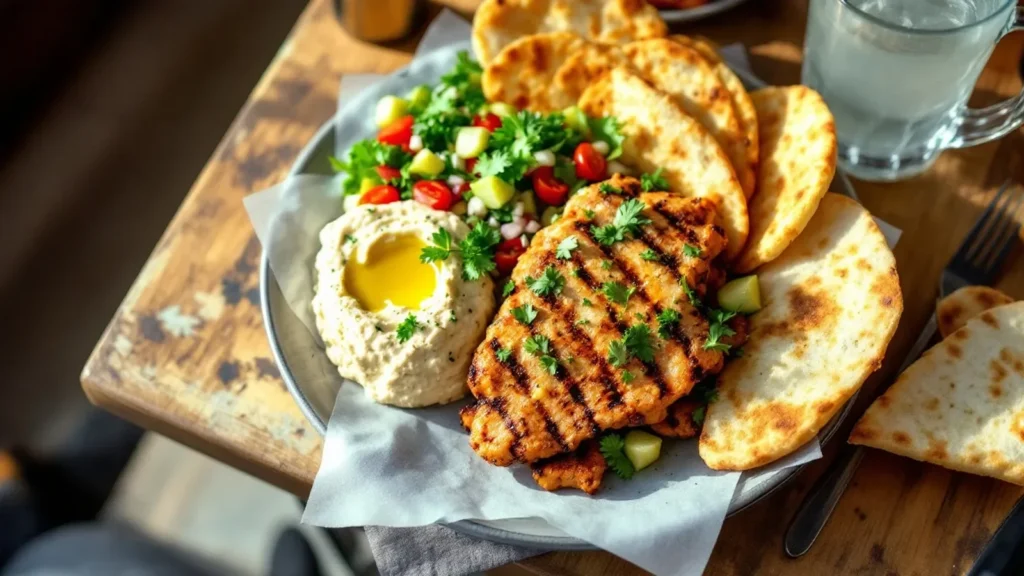
At the core of healthy Mediterranean food in Naperville is an emphasis on high-quality, lean proteins. Traditional choices like chicken shawarma, grilled beef, and tender kabobs are marinated in antioxidant-rich spices like turmeric, garlic, cumin, and lemon juice rather than heavy, sugary sauces. These meats are typically slow-roasted on a vertical spit or grilled over an open flame, allowing excess fats to naturally drip away while sealing in moisture and flavor.
Choosing halal-certified meats adds an extra layer of structural integrity to your meal. The strict guidelines governing halal preparation ensure that the meat is handled with the highest standards of cleanliness and ethical care from start to finish. If you are curious about the meticulous standards behind these preparation methods, you can read our detailed guide on what makes food halal in Naperville to understand how these traditions promote overall food quality and purity.
2. Naperville\’s Seasonal Shift and the Need for Heart-Healthy Fats
Living in DuPage County means adapting to dramatic seasonal changes, from humid midwestern summers to freezing, windy winters. During these cold months, our bodies naturally crave denser, more comforting foods, but relying on heavy saturated fats can leave you feeling sluggish. This is where the Mediterranean diet shines, substituting butter and heavy creams with heart-healthy, cold-pressed olive oil.
Olive oil is rich in monounsaturated fatty acids, particularly oleic acid, which helps maintain healthy cholesterol levels. Traditional dishes like hummus, baba ghanoush, and freshly tossed salads are dressed generously with olive oil and lemon. This provides essential fats that support joint health and skin hydration during dry Illinois winters without compromising cardiovascular wellness. It is a simple, regional adaptation that keeps locals energized and nourished all year long.
3. Nutrient-Dense, Plant-Based Fiber and Legumes
If you are looking to incorporate more plant-based meals into your routine, Mediterranean cooking offers some of the most flavorful vegetarian options in the world. Legumes such as chickpeas and fava beans serve as the foundation for iconic dishes like falafel and hummus. These ingredients are naturally high in dietary fiber, which slows digestion, promotes gut health, and helps maintain stable blood sugar levels throughout the day.
Combined with fresh garlic, herbs, and spices, these plant proteins are incredibly satisfying. To understand how these vegetarian staples compare to grilled meats in terms of texture, preparation, and nutritional profiles, explore our breakdown of falafel vs shawarma options to find the perfect balance for your next lunch or dinner.
4. An Abundance of Raw, Crisp Vegetables and Fresh Herbs
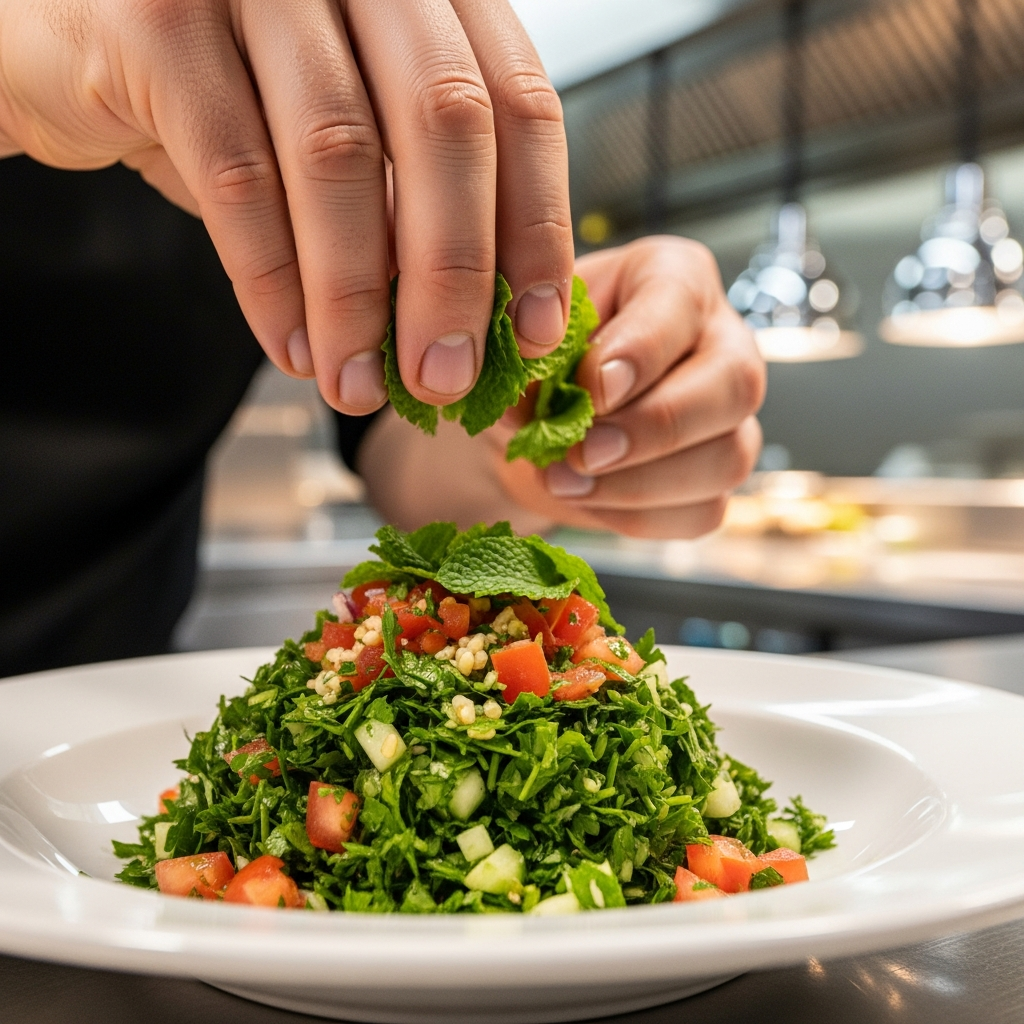
Unlike dining styles that rely heavily on processed carbohydrates or deep-fried side dishes, Mediterranean plates are vibrant and colorful. Traditional salads like tabbouleh and fattoush are loaded with raw, diced cucumbers, ripe tomatoes, radishes, and massive portions of fresh flat-leaf parsley and mint. These greens are not just decorative garnishes; they are functional ingredients packed with vitamins A, C, and K.
Parsley, for instance, acts as a natural digestive aid and is loaded with flavonoids that help fight oxidative stress. When you choose these fresh sides over standard fried options, you significantly increase your daily intake of essential micronutrients and hydration while keeping your overall calorie count low.
5. Ancient Spices with Functional Wellness Benefits
The distinctive, mouth-watering aroma of Mediterranean cooking comes from a complex blend of natural spices rather than sodium or artificial flavor enhancers. Spices such as sumac, turmeric, cumin, cinnamon, and cardamon are used generously in everyday marinades and rice dishes. Many of these spices have been utilized for centuries in traditional wellness practices for their inherent health-supportive properties.
Cumin is well-known for aiding digestion and improving enzyme activity, while sumac is one of the most powerful antioxidant spices available, recognizable by its bright, tart, lemony flavor profile. By seasoning dishes naturally with these botanicals, you get to experience deep, complex flavors that support metabolic health without the need for excess salt.
6. Complex Carbohydrates That Sustain Energy
Achieving a balanced lifestyle does not mean cutting out carbohydrates entirely; it is about choosing the right ones. The Mediterranean diet utilizes complex carbohydrates like wild rice, bulgur wheat, and whole-wheat pita bread. These grains retain their outer bran and germ layers, meaning they digest slowly and provide a steady release of glucose into your bloodstream rather than a rapid spike and subsequent crash.
Steamed rice pilaf or a soft, warm pocket of pita bread serves as the perfect vessel for savory shawarma and cool tzatziki. If you enjoy keeping these wholesome grains at home for quick, healthy wraps, be sure to check out our practical tips on how to store pita bread properly so you always have a fresh, soft base ready for your balanced home meals.
Frequently Asked Questions
Is Mediterranean food naturally gluten-free?
Many Mediterranean dishes are naturally gluten-free, including grilled meats, hummus, salad bases, and rice pilafs. However, you should always ask about ingredients like bulgur wheat in tabbouleh or the flour used in falafel binders if you have a strict sensitivity.
What makes a Mediterranean meal halal?
A Mediterranean meal is considered halal when all meats are sourced from certified suppliers who follow ethical, humane, and clean processing guidelines. Additionally, the preparation must completely exclude alcohol, lard, and other non-halal byproducts.
Can I lose weight eating Mediterranean food?
Because the Mediterranean diet emphasizes lean proteins, fiber-rich legumes, and fresh vegetables while minimizing processed sugars and trans fats, it is highly effective for maintaining a calorie-conscious, nutrient-dense diet that supports healthy weight management.
Fuel Your Body with Flavorful, Wholesome Dining
Eating healthy does not mean sacrificing the rich, comforting flavors of a warm, home-cooked meal. By choosing fresh, authentic Mediterranean and halal dishes, you can enjoy lean, fire-roasted proteins, vibrant herb-filled salads, and heart-healthy fats that leave you feeling light and energized. If you are ready to explore the best local dining options in our community, check out our comprehensive guide to finding authentic halal food near me in the Naperville area today.