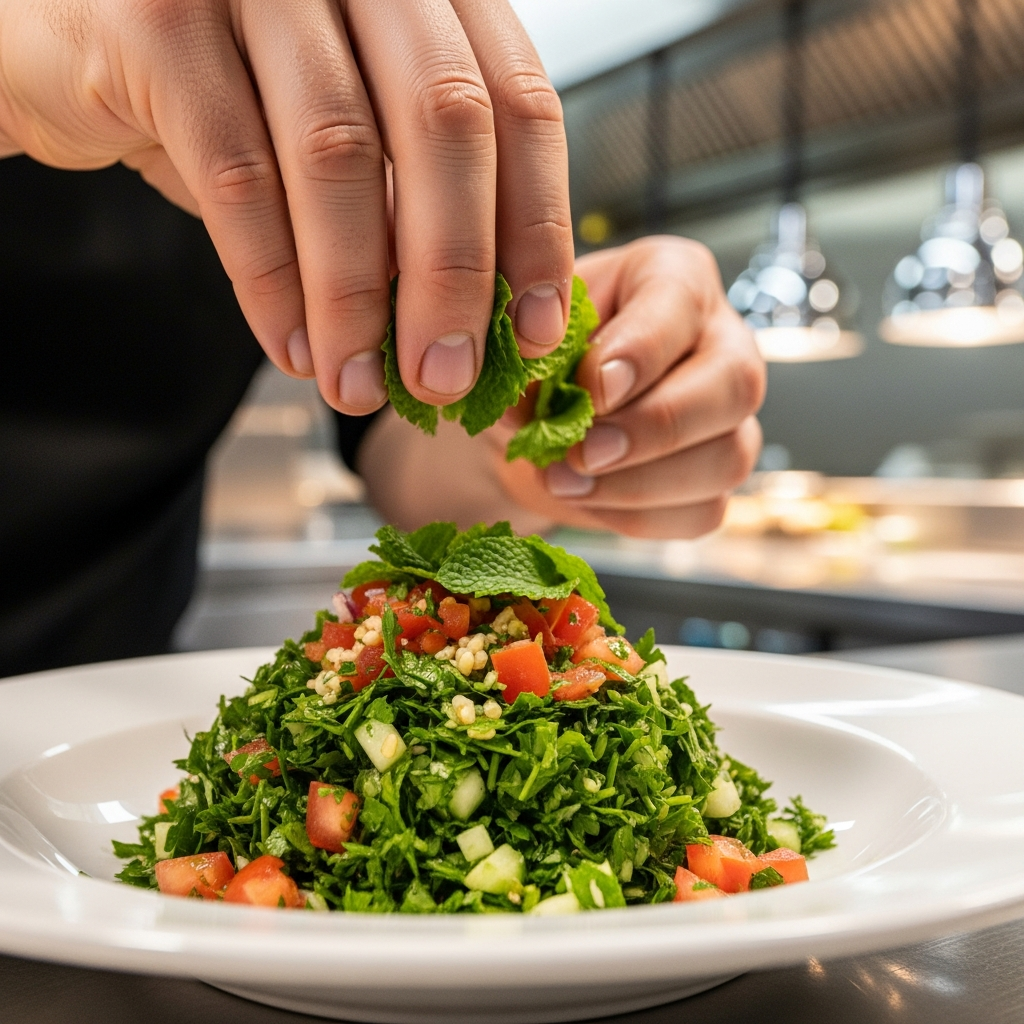
One of the quiet pleasures of living in Naperville is how the seasons write themselves into our meals. We feel spring in the soft light along the Riverwalk, summer in the splash at Centennial Beach, fall in the crisp air near Knoch Knolls, and winter in the hush of a snowfall outside the library’s big windows. Taboili salad—tabouli, tabbouleh—has a particular knack for absorbing those seasonal moods. Because it is built on parsley, tomatoes, cucumber, lemon, and olive oil, it welcomes small shifts that make it taste perfectly at home whether the maples on Washington Street are leafing out or glowing red. With a bit of local know-how, you can lean into the calendar and keep your Taboili tasting peak-fresh all year.
Start with spring, when the city thaws and our palates crave green. Parsley is tender now, with a fragrance that feels like a deep breath after months of sweaters and soups. Choose bunches that look perky and rinse them well, spinning them dry so the leaves chop cleanly. Early-season tomatoes can be shy in sweetness, so let lemon and olive oil take the lead and consider a few extra cucumber dice for crispness. If nights are still cool, a warm grain base—bulgur or quinoa—beneath the salad can bridge the temperature gap, so lunch on a bench along the DuPage River feels lively, not chilly.
As farmers markets wake up, mint becomes a sweet addition. Torn into the bowl, it adds a cool finish that matches those bright mornings when the sun hits the Riverwalk stones just so. Spring is also when radishes are at their best—peppery, juicy, and petite. Dice a few and fold them into the salad for a seasonal wink. The overall effect is a Taboili that reads as tender and new, the flavor equivalent of walking past the first tulips near Central Park.
Summer is Taboili’s home field. Tomatoes hit their stride—heavy, fragrant, and so juicy that a gentle drain after dicing keeps the salad from pooling. Cucumbers snap like they were built for picnics, and parsley grows abundant and sturdy. This is the season to chop a bit more generously and let the ingredients show off. Lemon remains important, but now it is steering rather than pulling; the produce does the talking. If you are packing dinner for a Riverwalk concert, keep dressing separate until you find your spot on the grass, then toss and watch the herbs bloom in the warm air.
With summer heat comes a focus on hydration. Cucumbers and tomatoes offer water content naturally, and a pinch of salt in the dressing coaxes their flavors forward. If you are spending the afternoon at Centennial Beach, make Taboili the center of your picnic and pair it with lean protein and chilled fruit. The salad keeps you refreshed and light on your feet, perfect for those hours that slip from sunshine into golden evening.
As August bends toward September, markets are still full but the sun feels different—lower, slanting. This is a great moment to introduce gentle depth. A dusting of sumac adds tang that echoes the air’s crispness; a spoon of high-quality olive oil brings a little extra silk for cooler nights. Tomatoes are still generous, but you can lean into parsley and lemon as days shorten. I like to serve late-summer Taboili slightly closer to room temperature so the aromas bloom—especially welcome at a backyard table in Ashbury as kids chase fireflies.
Fall asks for a steadier hand with acid and salt. As tomato sweetness wanes, balance shifts back to lemon and herb. This is the season when a warmed grain base under the salad shines. Bulgur’s gentle chew or quinoa’s pop make Taboili feel complete on a breezy evening, and the contrast between warm grain and cool herb salad keeps the plate dynamic. If your schedule includes Saturday soccer games and neighborhood gatherings, this format travels well and satisfies across ages and appetites.
When the first true cold arrives, Naperville kitchens turn cozier. Winter Taboili emphasizes brightness as an antidote to gray skies. Choose the best tomatoes you can find and cut them a bit larger for texture; don’t be shy with lemon, which now does more heavy lifting. Parsley can be more assertive in cold months, so respect the chop—fine but not pulverized—to avoid bitterness. The olive oil matters here, too; a fruity extra-virgin oil smells like sunshine in the room, bringing roundness to the sharper edges of winter produce.
On snow-dusted afternoons, I like to serve Taboili with warm accompaniments: roasted vegetables, baked fish, or a simple pan-seared tofu. The salad’s acidity wakes up these comforting mains so a winter dinner feels bright, not heavy. If you’re heading to a performance at Wentz Hall, a bowl of Taboili before the show is a perfect prelude—clear flavors, easy digestion, and a mood lift that matches the marquee lights.
Throughout the year, storage and timing finesse keep the salad tasting like it was made for the moment. In spring and summer, dress closer to serving to preserve crunch; in fall and winter, a slightly earlier toss can help flavors knit. Always let the salad sit for a few minutes before serving so lemon and olive oil bloom and the herbs release their fragrance. If you’re carrying Taboili to a Riverwalk picnic, use a vented container to prevent condensation; in cold weather, insulate the container so the salad doesn’t taste muted from a chill.
The question of grain is also seasonal. Fine bulgur is classic in warm months when you want a quick, no-fuss soak. In colder months, quinoa’s nuttiness or even a small portion of warm bulgur under the salad can create an appealing temperature and texture play. For gluten-free households, quinoa is a strong year-round stand-in—rinse well and cool fully before adding to keep the flavors clean.
Flavor additions should echo the calendar rather than drown it out. In spring, extra mint and radish speak the language of new growth. In summer, sweet tomatoes and a confident cucumber presence do the heavy lifting. In fall, sumac and a richer olive oil glide you into sweater weather. In winter, lean on lemon, pristine parsley, and the texture of a slightly larger dice to keep each bite interesting. These are tweaks, not reinventions. Taboili thrives when it stays true to its core identity.
Dining out, you can taste these seasonal moves if you know what to look for. In July, expect juicier, more exuberant Taboili that leans on peak produce; in January, look for a sharper lemon profile and an emphasis on herb. Reading menu descriptions carefully helps, and so does asking a quick question at the counter about how the salad is prepared that day. Naperville kitchens take pride in aligning with the season, and the best versions of Taboili reflect that care.
Midway through the year, when routine threatens to dull the senses, I suggest making a small ritual of the salad. Pick up fresh parsley at the market, take five minutes to chop, and tune the dressing until it tastes like sunshine. If you are ordering in, scan a curated Mediterranean menu and choose a plate where Taboili has room to sing—perhaps next to grilled chicken or a simple legume side. That intentionality is what keeps the salad feeling special rather than automatic.
For families with mixed preferences, Taboili becomes the bridge food that meets everyone in the middle. The herb lovers get their greenery, the crunch seekers get cucumber snap, and the protein fans can nestle in their favorite main without crowding the salad. Across neighborhoods—from Brookdale to White Eagle—I hear the same thing: when Taboili shows up at the table, dinner feels more complete, and people leave the table with clearer heads and lighter steps.
A note on kids and seasonality: invite them into the process. In spring, let them tear mint leaves; in summer, ask them to taste tomatoes side by side and pick their favorite; in fall, have them sprinkle sumac like fairy dust; in winter, let them squeeze the lemon. Ownership turns curiosity into enthusiasm, and before long, Taboili becomes a family ritual that tracks with the calendar.
Health benefits weave through all of this without needing to be the headline. The salad’s foundation—vegetables, herbs, olive oil—supports steady energy, digestion, and hydration. Add a protein to match your season—grilled fish in summer, roasted chickpeas in winter—and you have a plate that respects your day’s demands while keeping the flavors bright. It’s the kind of meal that makes a walk along the Riverwalk after dinner feel inviting, not obligatory.
How should I adjust Taboili in spring?
Lean on tender parsley, crisp cucumber, and a lemon-forward dressing. Add mint and a few radish dice for peppery brightness, and consider a warm grain base on cool nights to bridge the temperature gap.
What makes summer Taboili special?
Peak tomatoes and cucumbers drive the bus. Drain very juicy tomatoes briefly, chop generously, and dress right before serving for maximum crunch and fragrance. It’s the perfect salad for Riverwalk picnics and backyard evenings.
How do I keep fall Taboili satisfying as weather cools?
Turn up lemon and olive oil for roundness and serve the salad over a warm grain for contrast. The combination feels cozy yet fresh, ideal for post-game dinners and neighborhood gatherings.
What shifts in winter to keep the salad bright?
Emphasize lemon, choose the best tomatoes available, and respect the herb chop to avoid bitterness. Pair with warm mains so the plate feels comforting without losing freshness.
Does the grain choice change with the season?
Often. Fine bulgur is convenient in warm months, while quinoa or a warm bulgur base suits colder days. Gluten-free households can use well-rinsed, cooled quinoa year-round without sacrificing the salad’s essence.
How can I pack Taboili for a picnic or event?
Use vented containers in warm weather to prevent condensation, keep dressing separate until serving, and toss just before you eat. In colder months, insulate the container to avoid a muted flavor from excessive chill.
When you’re ready to let the season shape your plate, start with a bowl of Taboili and follow the calendar’s cues. Browse a trusted local Mediterranean menu, choose a pairing that lets the salad shine, and carry your meal to a favorite corner of the Riverwalk. One bright, herb-laced bowl can make spring feel fresher, summer cooler, fall cozier, and winter lighter—an all-year invitation to eat with the weather and savor Naperville at its best.