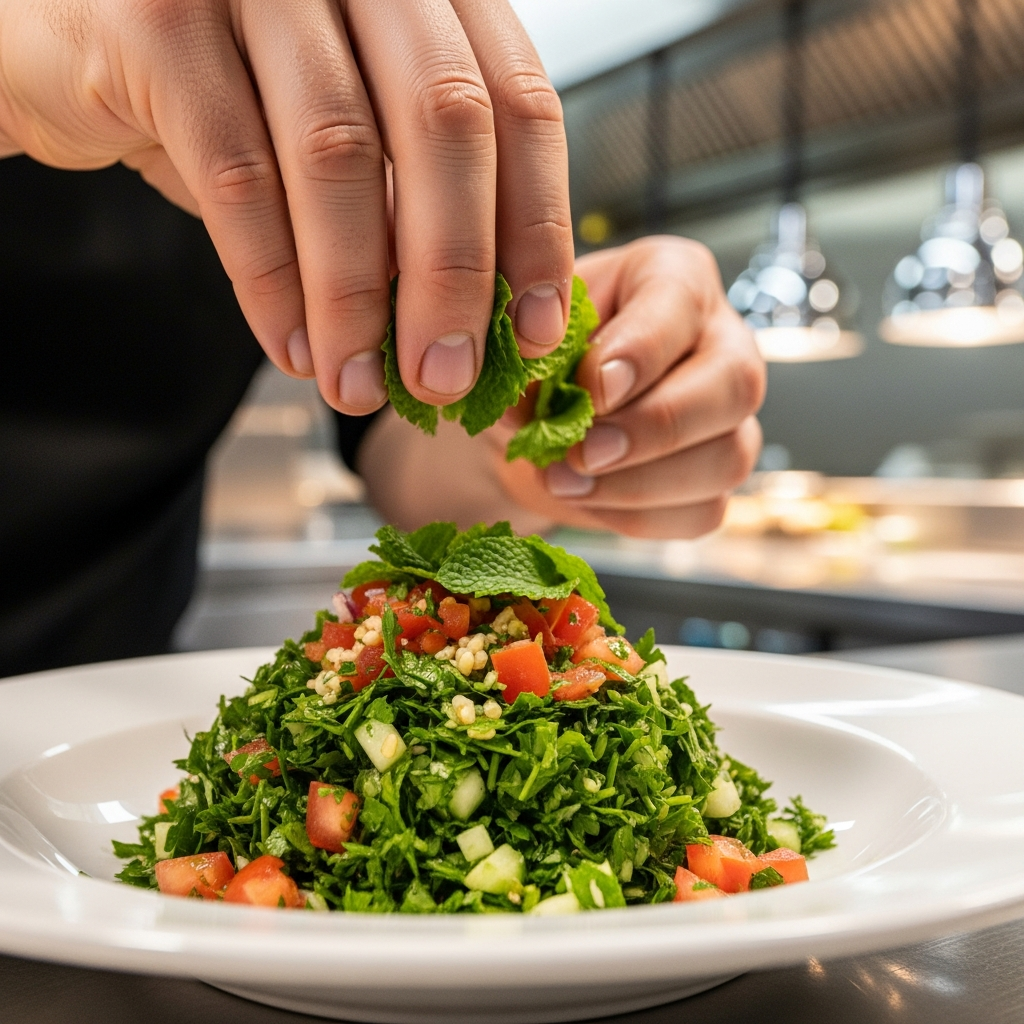
In Naperville kitchens—from downtown condos to sunny Ashbury patios—Taboili salad has become a weeknight standby and a reliable option when dining out. Yet even beloved staples come with challenges. Ask any local who has chopped parsley on a busy Tuesday night: sometimes the tomatoes weep, the bulgur goes mushy, or the lemon oil tastes flat. When you’re grabbing takeout before a family walk along the Riverwalk, packaging can wilt the greens. The good news is that every common issue has a practical fix. As someone who spends a lot of time helping neighbors fine-tune their salads and choose wisely from local menus, I’ve collected solutions that keep this bright, herb-forward classic tasting as lively as Naperville itself.
First, let’s tackle watery salad, the most frequent complaint. The culprit is often tomato juice and cucumber moisture pooling at the bottom of the bowl. The solution starts with the knife. Cut tomatoes slightly larger and scoop out any excess seeds if they are very ripe. After dicing, give them a brief rest in a colander so some juice drains away. For cucumbers, a light sprinkle of salt followed by a quick pat dry does wonders. When you combine ingredients, add the lemon-olive oil dressing just before serving; the acid will season everything, but it won’t have time to pull extra water from the produce. This approach preserves the crisp texture you want to taste as you sit down near the DuPage River.
Next up is the question of grain texture. Traditional Taboili uses fine bulgur, which hydrates quickly. If it turns pasty, you’ve likely soaked it too long or used water that was too hot. Stick to cool or room-temperature hydration, and err on the side of under-soaking; the grains will continue to soften slightly as they mingle with lemon and tomato. If you prefer a gluten-free route, quinoa is excellent, but rinse it thoroughly to remove bitterness and cook until just tender, then cool completely before folding into the salad. The goal is a grain that supports the herbs without stealing the show.
Bitterness is another complaint, often blamed on parsley. Sometimes the leaves are fine but the stems are too prominent. Solve this by stripping most of the thicker stems and keeping your chop fine yet respectful—no pulverizing. If the parsley batch leans bitter, a touch more tomato or a few mint leaves can smooth the edges, and a measured pinch of salt will help the lemon and olive oil integrate the flavors into something rounder on the palate. In Naperville’s winter months, when herbs can be more intense, these small adjustments keep the salad balanced.
Flat flavor is a cousin to bitterness, and the answer is usually better calibration of acid, fat, and salt. Start with fresh lemon juice; bottled varieties can dull the brightness. Choose a fruity extra-virgin olive oil that smells alive when you open the bottle. Salt last and lightly, tasting as you go. The moment the salad “pops” on your tongue, you are there. If it still feels shy, a tiny sprinkle of sumac can add tang without heaviness. This is the difference between a salad that disappears into the background and one that feels like a small celebration, even on a Tuesday night with homework spread across the table.
Overchopping can create a slaw-like texture that weeps and turns muddy. The trick is a fine, fluffy chop that lets the parsley leaves keep some structure. Use a sharp knife and a gentle rocking motion, gathering the herbs and passing through them a few times rather than mincing aggressively. The same principle applies to tomatoes and cucumbers: small, even dice, not a mash. In my experience coaching home cooks in neighborhoods from Brookdale to Tall Grass, this single adjustment transforms the salad from merely good to restaurant-quality.
When ordering out in Naperville, packaging and timing are the hidden variables that shape your experience. If you’ve ever opened a takeout container to find your Taboili compacted and wet, you know the disappointment. A simple fix is to request dressing added close to pickup or on the side, and to ask for vented lids that reduce condensation. If you’re carrying dinner to a bench along the Riverwalk or to a concert at Central Park, tuck a napkin into the container to wick stray moisture until you’re ready to eat—then remove it and toss the salad for best texture.
Saltiness can sneak up, especially when the salad is part of a mixed plate with other seasoned components. Taste a forkful before piling on sauces or salty sides. If it’s already bright and seasoned, let it be the palate cleanser. At home, avoid pre-salting tomatoes too far in advance; it pulls water and concentrates salt. Add seasoning at the end, after lemon and olive oil, so you can gauge exactly how much you need.
Another practical issue is portion balance. If your plate leans heavily toward dense proteins and starches with a tiny scoop of Taboili, the salad can’t do its job of refreshing the meal. Instead, aim for a generous serving that visually anchors the plate. The fresh herbs and vegetables are what keep you clearheaded as you move from dinner to an evening walk or a late meeting. Don’t treat Taboili as garnish—treat it as a co-star.
For gluten sensitivity, cross-contact is worth discussing when you order. Even if a restaurant can prepare a version without bulgur, ask whether the same utensils or prep surfaces handle standard Taboili. Kitchens that take the time to answer these questions often take extra care with the salad overall, which in turn means better texture and brighter flavor. At home, rinsed and cooled quinoa or a bulgur-free batch maintains the dish’s essence—parsley and lemon—without compromise.
Busy Naperville families often ask how to fit Taboili into weeknights without creating extra work. The answer is strategic prep. Wash and dry parsley thoroughly in the morning and store it loosely wrapped in a towel in the fridge. Dice tomatoes after school and let them drain while you help with homework. Five minutes before dinner, chop the herbs, fold in the vegetables, and dress lightly. The result tastes garden-fresh because it essentially is, even though you’ve only invested small bursts of time throughout the day.
If you are chasing restaurant-level polish at home, temperature is your secret ally. Serve Taboili slightly cool, not icy; cold temperatures mute lemon and olive oil. Let the salad sit at room temperature for ten minutes after dressing so the flavors connect without turning watery. That brief rest is when the magic happens—the herb fragrance blooms, the tomatoes wake up, and the entire bowl starts to taste like a coherent thought rather than a collection of parts.
Midweek takeout comes with its own set of strategies. When scanning a local Mediterranean menu, look for cues like “dressed to order,” “fresh lemon,” and “extra-virgin olive oil.” Consider pairing the salad with a simple protein and a vegetable-forward side to avoid flavor collisions that can overwhelm Taboili’s delicate balance. You want it to sing, not shout to be heard.
For those who worry about the salad losing lift overnight, storage is a craft. Keep leftovers in a shallow container rather than a deep bowl so weight doesn’t compress the herbs. If the next day’s portion tastes muted, wake it up with a fresh squeeze of lemon and a ribbon of olive oil, then toss gently. Resist the urge to add more salt; acidity is usually what’s missing.
Kids’ palates can be another hurdle. Start small and familiar—spoon a bit of Taboili into a pita with grilled chicken or falafel so it feels like a topping rather than a standalone “green thing.” Over time, as the bright flavors become trusted, you can nudge the ratio. Many Naperville families report that once Taboili becomes a known quantity, it’s the salad their kids actually request.
Finally, consider context. If you’re picnicking along the DuPage or hosting a backyard gathering, serve Taboili alongside dishes that let it play its role: grilled items that benefit from acidity, legumes that appreciate freshness, and grains that welcome herbs. The salad is a connector, turning a group of foods into a cohesive meal. That is why, even with occasional hiccups, it has earned a constant place at our tables.
Why does my Taboili turn watery so quickly?
Excess moisture from tomatoes and cucumbers is the usual cause. Drain tomatoes briefly after dicing, salt and pat cucumbers dry, and dress the salad close to serving time. A fine but respectful chop also prevents the greens from weeping.
How can I avoid mushy bulgur?
Hydrate fine bulgur in cool water just until tender, then drain well. Remember that it will soften further once mixed with lemon and tomato. If you use quinoa, rinse thoroughly and cool completely before adding.
My parsley tastes bitter. What can I do?
Strip most thick stems, keep the chop fine, and balance with a touch more tomato or a few mint leaves. Fresh lemon and a measured pinch of salt help round out any sharp edges.
What’s the best way to order Taboili for takeout?
Ask for dressing added at pickup or on the side, request vented lids, and pair the salad with complementary items so its freshness isn’t overshadowed. Eat promptly to preserve crunch and aroma.
How do I keep leftovers tasting bright?
Store in a shallow container to avoid compression, and refresh with lemon and a light drizzle of olive oil just before eating. Avoid over-salting; acidity is usually what the next-day salad needs.
Can kids learn to enjoy Taboili?
Yes. Introduce it in familiar formats—pita pockets, bowls with favorite proteins—so the flavors feel friendly. The small chop and juicy textures often win kids over with time and repetition.
When you’re ready to enjoy Taboili at its best, choose thoughtfully and savor the details that make it sing. Explore a local Mediterranean menu, ask a few smart questions, and bring your salad to a favorite Riverwalk spot. With one bright, herb-laced bowl, you’ll be reminded why this classic keeps finding its way into Naperville lunches, dinners, and sunny weekend picnics.