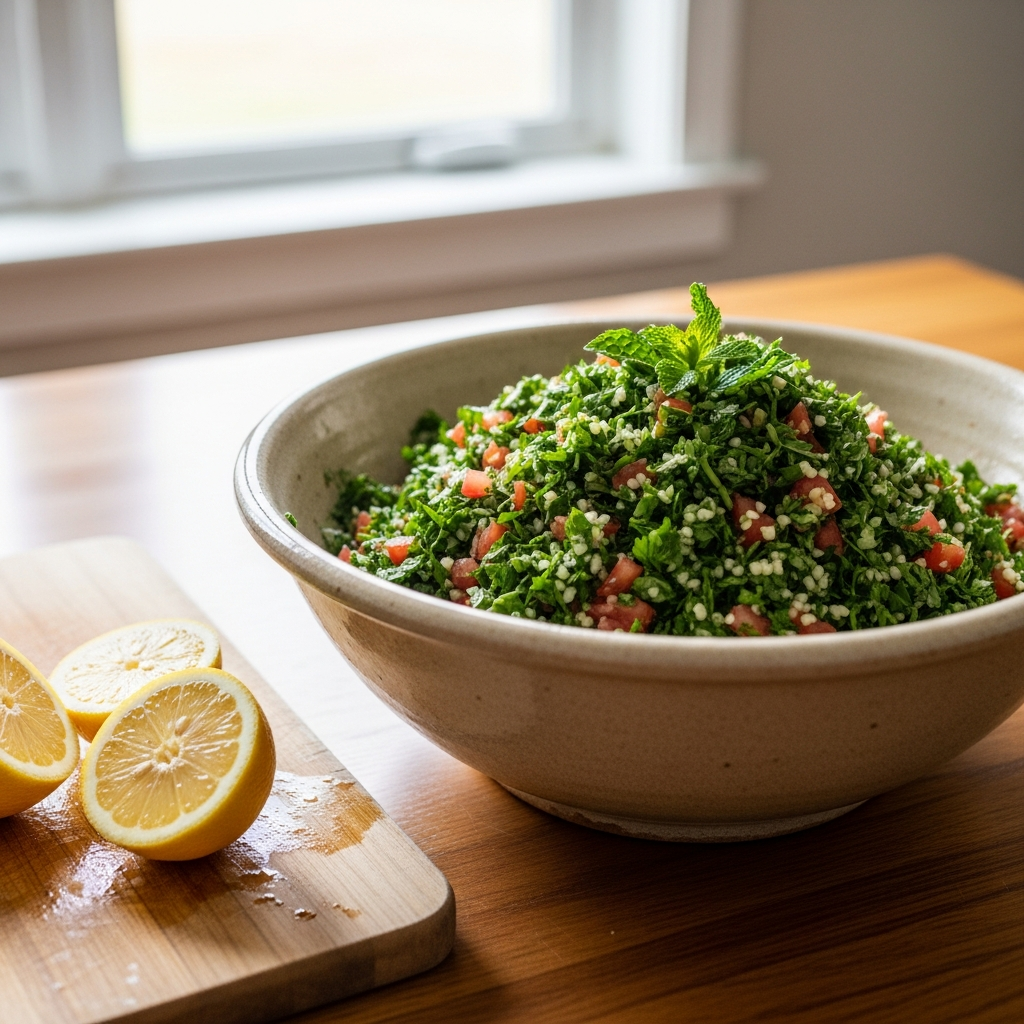
There is a moment every Naperville cook recognizes: the midday light washing over the kitchen table, a bunch of parsley still dewy from an early stop at the farmers market, and the quiet promise of something wholesome on the way. That feeling, more than any strict instruction, sits at the heart of a traditional Taboili salad, the bright, herb-forward classic that thrives in our Illinois seasons. I have carried bowls of it to potlucks by the Riverwalk and tucked containers into coolers for lazy afternoons near the DuPage River, and I can tell you there is no dish more forgiving or more rewarding to make at home. If you’re already thinking ahead to a dinnertime spread, you’ll find it pairs beautifully with grilled chicken, roasted vegetables, or a simple pita-and-olive plate; and when you want to get inspiration for complementary flavors, a quick look at a local-style Mediterranean menu is a great nudge toward what to serve alongside.
The spirit of Taboili in Naperville kitchens
Taboili is as much about rhythm as it is about recipe. In homes around Naperville, where we bridge Midwest practicality with global tastes, the salad fits with weeknight schedules, backyard barbecues, and Sunday prep. The foundation is parsley—lots of parsley. If you grew up with a parsley garnish, this will feel like a revelation: in Taboili, parsley is the salad, knit together with lemon, olive oil, a measured scoop of fine bulgur, and tomatoes that taste like sunshine. Some cooks add cucumbers for extra crunch. Others leave them out for a more traditional texture. I encourage you to try both and decide which sings to you.
Shopping locally makes the flavors shine. On a Saturday morning, I’ll head to the Naperville Farmers Market near Fifth Avenue Station for bunches of flat-leaf parsley and fragrant mint. If I’m running errands along Ogden Avenue, I might swing into a Mediterranean grocer for bulgur and allspice or stop by H Mart or Patel Brothers for a mound of fresh herbs and produce. A few minutes of thoughtful shopping sets you up for success, because freshness is the difference between a pleasant salad and one that tastes like a summer garden in a bowl.
Ingredients, the local way
To paint a picture of the essentials, think first about parsley. Flat-leaf parsley holds its structure and releases a gentle, peppery aroma when finely chopped. For a family-sized bowl, plan on several large, leafy bunches. Next is mint—fresh if possible—because a handful of finely sliced mint leaves gives Taboili lift and clarity. Tomatoes should be ripe but firm, ideally the kind sold by local vendors midseason or the reliable greenhouse varieties we see through cooler months. Lemon juice is the bright thread that ties the dish together; if you can find hefty lemons with thin skin, they often yield juicier, more flavorful results. Good olive oil matters too, not for show but for mouthfeel and balance. Finally, fine bulgur swells with a bit of water or lemon and oil, giving the salad just enough body to feel complete without overshadowing the herbs.
Traditionalists keep seasonings modest: salt, black pepper, and sometimes a whisper of ground allspice. The allspice isn’t universal, but here in Naperville I’ve found many home cooks appreciate the subtle warmth it brings on chilly nights when the wind rattles the windows and we want a dish that tastes both fresh and comforting.
Preparing bulgur with intention
Because Taboili turns on texture, treat the bulgur like a respectful guest—welcome, but not in charge. Fine bulgur is best. Instead of boiling, many cooks simply soak it. I like to pour just enough very warm water to cover and then let it absorb while I chop the herbs. Within 10 to 15 minutes it becomes tender but not mushy. If you prefer a brighter lemon bite throughout, try soaking the bulgur with a splash of lemon juice and a drizzle of olive oil rather than water. When I taught a neighborhood cooking night not far from 95th Street, the most common surprise was how little bulgur we use compared to the load of parsley. That reversal of expectations is what makes Taboili so refreshing.
Knife work and the art of chopping
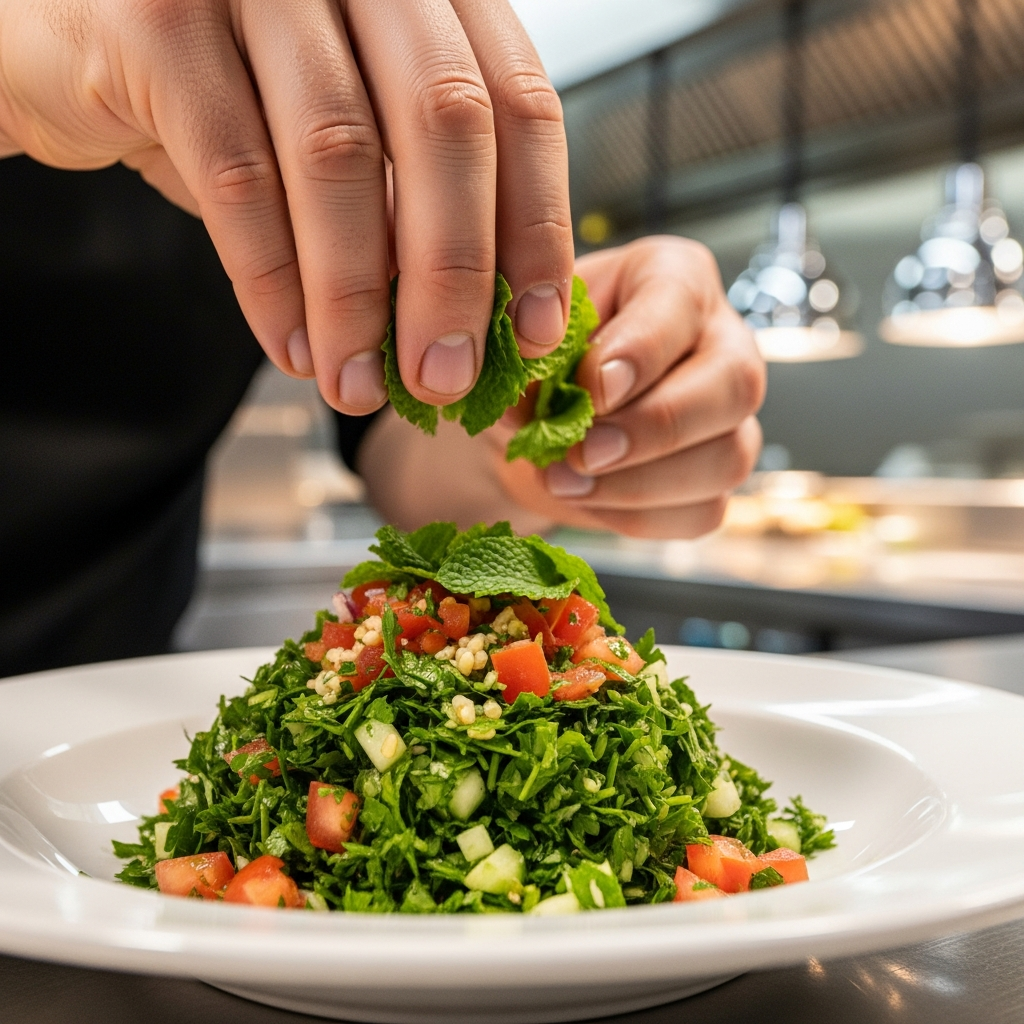
Anyone can toss a salad, but Taboili rewards care with the knife. Wash the parsley well, shake or spin it dry, and remove the tough stems. Gather the leaves into tidy piles and chop them very finely; the pieces should be delicate, not ragged. Mint should get the same treatment. Tomatoes should be diced small, so they blend into the herbs rather than sit on top. If using cucumbers, peel only if the skin is thick, then chop to match the tomato pieces. The appeal of this salad is that every forkful holds a little of everything, and you can only get there by cutting small and consistent.
Building flavor in layers
In a large bowl, combine the parsley and mint first, then fold in the tomatoes and cucumbers if you’re using them. Fluff the soaked bulgur with a fork to separate the grains and stir it gently into the greens. Sprinkle a measured pinch of salt and a modest amount of black pepper. Follow with fresh lemon juice—start with less than you think and add more gradually. Pour in olive oil in a thin stream, tossing as you go. The leaves should glisten but not swim. Taste and adjust, keeping in mind that the salad will develop as it sits.
There’s a moment when you set down the spoon, lean in, and inhale. The scent of mint rises above the parsley, lemon tickles the nose, and the grain offers a warm base note. That’s when you know you’re close. Add a dash of allspice if you like, and adjust the salt once again. I’ve found that small increments, with a pause between each, yield the most balanced results.
Letting the salad rest
As with many classic dishes, patience rewards the cook. Taboili benefits from a short rest—fifteen to thirty minutes is often enough—to allow the flavors to meet and mingle. In winter, when we gather near the window to watch flurries drift over Downtown Naperville, that rest time is perfect for warming pita in the oven or slicing crisp romaine leaves to spoon the salad into. In summer, it’s long enough to set the picnic table in a shady patch along the Riverwalk or to fill a cooler for a drive to a friend’s backyard grill.
During the rest, the bulgur continues to soften slightly and the herbs release some of their aromatic oils. If juice pools at the bottom of the bowl, don’t worry; a gentle toss just before serving redistributes everything and prevents sogginess. If the tomatoes are very ripe, you can seed them before dicing to curb excess liquid, though I often keep the seeds for their flavor.
Serving ideas for Naperville gatherings
Taboili has a way of instantly civilizing a meal. It brightens heavy mains, balances salty dishes, and offers a fresh counterpoint to anything grilled. Around here, we love it with skewers of marinated chicken or lamb, roasted carrots tossed with cumin, or a plate of olives and feta. Scoop it onto wedges of romaine or butter lettuce for tidy hand-held bites. Bring it to a cookout near Knoch Knolls Park, set it among the salads at a neighborhood block party, or keep it on the table for a casual Sunday spread with family. However you serve it, the salad’s greenness and lemony lift will earn attention.
When I want to broaden the table with compatible flavors and textures, I’ll glance through a curated Mediterranean menu for ideas—shawarma, hummus, smoky eggplant spreads, and rice dishes all play well with Taboili. The point isn’t to replicate a restaurant but to let those combinations spark your creativity at home.
Seasonal adjustments and smart substitutions
Naperville’s weather invites adaptation. In the heart of summer, parsley bunches are huge and tomatoes are at their peak, so I lean into the classic profile and keep additions minimal. In early spring and deep winter, when tomatoes are less flavorful, cherry tomatoes can be a good stand-in; they often carry better sweetness. If parsley looks sparse, supplement with a bit more mint, or even a handful of finely chopped green onions for aromatic lift. For a gluten-free version, swap the bulgur for cooked and cooled quinoa. While it shifts the texture slightly, the salad remains bright and satisfying. If you’re avoiding nightshades or simply out of tomatoes, diced cucumber and extra lemon create a nicely refreshing alternative.
As for oil, choose a fruity extra-virgin olive oil that tastes good on its own. You don’t need the most expensive bottle, but the flavor should be clean and round, not harsh or bitter. Keep the lemon fresh rather than bottled, and consider a pinch of sumac if you like citrusy tartness—it’s not required, but it’s a lovely accent if you have it in the pantry.
Common pitfalls and how to avoid them
The three most common missteps I see around town are too much bulgur, wet herbs, and heavy-handed oil. Measure the bulgur with restraint; you can always add a spoonful more, but you can’t easily pull it back out. Dry the parsley thoroughly, because excess water waters down flavor and makes the salad slump. And add oil in stages so the leaves glisten without becoming slick. If you accidentally over-salt, stir in a bit more chopped parsley to absorb and balance. If the lemon is overpowering, another drizzle of olive oil and a pinch more bulgur can round things out.
Texture is also about cut size. If your tomatoes or cucumbers are too chunky, the salad can feel clumsy. Take your time chopping—enjoy it, even. Put on a favorite playlist, clear the counter, and consider the process part of the pleasure. Cooking isn’t a race; it’s a small daily ritual, and in Naperville’s steady rhythms, ritual matters.
Make-ahead wisdom for busy days
To get ahead, you can wash and dry herbs in the morning, then wrap them loosely in a towel and refrigerate. Chop just before mixing to preserve freshness. The bulgur can be soaked an hour in advance and fluffed, ready to go. Taboili holds well for a few hours at room temperature if the kitchen is cool, and it keeps overnight in the refrigerator, though the greens will darken slightly by the next day. If serving later, I often hold back a squeeze of lemon and a final drizzle of oil to add right before bringing the bowl to the table. That last touch wakes everything up.
For picnics or work lunches in the heart of winter, pack the salad in a snug container with romaine leaves on the side. It’s a lift on a gray day, a reminder that spring truly does return to the Riverwalk and that weekend farmers markets are never far off.
The tradition within the recipe
Part of the joy of cooking Taboili in Naperville is feeling connected—to family recipes shared across generations, to neighbors who swap tips in the produce aisle, and to the wider world whose flavors we eagerly fold into our Midwestern lives. The dish travels well across seasons and settings, and yet it remains remarkably consistent at its core: a celebration of parsley, lemon, olive oil, and generosity. You may tweak a spice here or there, but the soul stays put.
If you’ve never made Taboili, let this be your nudge. Assemble your ingredients, clear your counter, sharpen your knife, and start chopping. Trust that the process will teach you, and that your own preferences will become part of the recipe. That, in my experience, is how a dish becomes a household regular—not through strict rules, but through repetition, attention, and joy.
FAQ
How fine should I chop the parsley and mint?
As fine as you comfortably can without bruising the leaves. Neat, small pieces ensure every forkful is balanced and that the herbs mingle evenly with tomato, bulgur, and dressing. A sharp knife and a dry cutting board are your friends here.
Do I need to cook the bulgur?
For fine bulgur, soaking is sufficient. Very warm water or a lemon-and-oil soak softens the grains without making them mushy. If you only have medium bulgur, a brief pour-over with hot water followed by a rest usually works; drain excess liquid before mixing.
What if my tomatoes are very watery?
Seed the tomatoes before dicing, chop them smaller, and let them sit in a strainer for a few minutes while you work on the herbs. If the finished salad still looks wet, a handful of extra chopped parsley will quickly rebalance it.
Can I make Taboili a day ahead?
You can, and many flavors will meld nicely overnight, though the herbs will darken. If presentation matters, prep the components ahead and combine them a few hours before serving, adding a final squeeze of lemon and a drizzle of oil just before you set out the bowl.
What should I serve with Taboili?
Grilled chicken or lamb, roasted vegetables, hummus, and warm pita make a relaxed spread for family or friends. For pairing inspiration, browsing a thoughtfully crafted Mediterranean menu can help you imagine textures and flavors that complement the salad beautifully.
How do I keep leftovers tasting fresh?
Store in a covered container and give the salad a gentle toss before serving again. A squeeze of lemon and a trickle of olive oil added right before eating will revive the brightness.
Is cucumber traditional in Taboili?
It depends on the family and region. Many traditional versions omit cucumber, leaning on tomatoes and herbs. In Naperville kitchens, plenty of cooks add a small, finely diced cucumber for crunch. Try both and decide which you prefer.
Ready to bring the fragrance of parsley and lemon to your own table? Gather fresh herbs, set out your favorite bowl, and let today be the day you make a batch to share. And if you want complementary ideas for what to plate beside it, take a quick look at this inviting Mediterranean menu before you start chopping, then follow your senses all the way to dinner.