If you live in Naperville, you already know how a chilly stroll along the Riverwalk or a sunny afternoon at Centennial Beach can spark cravings for something warm, fragrant, and deeply satisfying. Falafel has become that go-to at-home comfort in our kitchens, with its crisp edges, tender herb-flecked centers, and the kind of aroma that draws everyone to the counter before dinner is even plated. As a local who learned to cook from neighbors, market vendors, and plenty of trial and error, I’ve come to rely on a simple, dependable method that fits right into a Naperville weeknight. Before we jump in, I’ll share a small secret: when I want to compare seasoning ideas or balance sides, I often glance through a trusted local spot’s menu for fresh pairing inspiration. It’s a quiet nudge that keeps my home falafel fresh and flexible without turning dinner into a project.
There’s a particular rhythm to cooking in Naperville. Maybe you pick up your produce at the Naperville farmers market near the 5th Avenue Station on a Saturday morning, or you duck into International Fresh Market on Route 59 after work to grab fresh parsley and a bunch of cilantro. You might have kids coming and going from practice at Frontier Sports Complex, or friends dropping by after a late class at North Central College. Either way, this easy falafel recipe slides seamlessly into the day. The process invites you to pause: soak the chickpeas, measure out familiar spices, and pulse everything together until the mixture just holds. While the oil warms in a heavy skillet, the house begins to smell like cumin and toasted coriander, and Naperville feels like a small village centered right around your stove.
Why falafel feels at home in Naperville
Falafel is equal parts ritual and reward. When you make it in a city like ours—where neighborhood patios come alive in summer and quiet cul-de-sacs glow in winter—you learn how a handful of pantry ingredients can build a family meal. I’ve found neighbors on both sides of town debating the merits of slightly chunkier falafel versus ultra-smooth, or swapping tips on how to keep the inside pale and moist while the outside crisps quickly. This shared conversation makes cooking falafel here feel like joining a well-loved local tradition rather than tackling a culinary challenge alone. Your kitchen becomes a neighborhood table, even if the evening is just you and a skillet.
Just as important, the ingredients are easy to source year-round. Dried chickpeas are available in every major grocer in town, and fresh herbs thrive in window boxes from early spring through late fall. The key is patience in soaking and a light hand when mixing. Too much processing makes falafel heavy; too little makes it fall apart. Find the middle, and you’ll get falafel that holds together beautifully and fries in minutes, which matters when the clock is pushing past six and homework is calling.
Choosing and preparing ingredients
Use dried chickpeas—never canned for this technique—soaked in cool water for at least 12 hours. Overnight is perfect; a full day is fine. Rinse them, then pat dry to remove excess moisture. This single step prevents the mixture from turning gluey. Fresh herbs do the heavy lifting for flavor. I prefer a mix of flat-leaf parsley and cilantro, stems and all, because the stems grind into the mixture and bring a gentle, grassy backbone that keeps the interior bright. Onion provides sweetness and moisture; garlic brings gentle heat. For spices, I turn to ground cumin and coriander, then a pinch of cayenne or Aleppo pepper if I have it, plus salt and black pepper. A whisper of baking powder keeps the centers tender without lifting the mixture so much that it cracks in hot oil.
Naperville water is fairly consistent for soaking, but if your home has a water softener, consider soaking in filtered water to keep the texture precise. As for oil, choose a neutral, high-heat option like avocado or canola. You’re not deep-frying here, just shallow-frying in a skillet, so the oil should come about halfway up the side of a formed falafel. Heat control is the soul of this method: too hot and the outside darkens before the inside sets; too cool and the patties absorb oil.
Mixing the falafel base
Pulse the chickpeas with onion, herbs, and garlic in a food processor, stopping to scrape the sides. The goal is a coarse, even rubble that presses together when you squeeze it. If it crumbles, pulse a bit more. If it feels wet, add a spoonful of chickpea flour or plain flour to absorb moisture. Only once you reach this gritty-but-cohesive texture should you stir in the spices, salt, pepper, and baking powder by hand. Mixing the spices in afterward prevents the processor’s blades from overheating delicate aromatics and keeps the texture from tipping into paste.
Let the mixture rest for 15 to 20 minutes while you warm your oil. This pause matters. It allows the chickpea starches to hydrate, the aromatics to bloom, and the flavors to settle into each other. During that time, tidy the counter, slice cucumbers and tomatoes, whisk a quick tahini with lemon and a sip of water, and warm flatbreads on a dry skillet. If you’re cooking for a crowd, set out parchment on a sheet pan to receive the cooked falafel so they stay crisp while you work in batches.
Shaping and frying with confidence
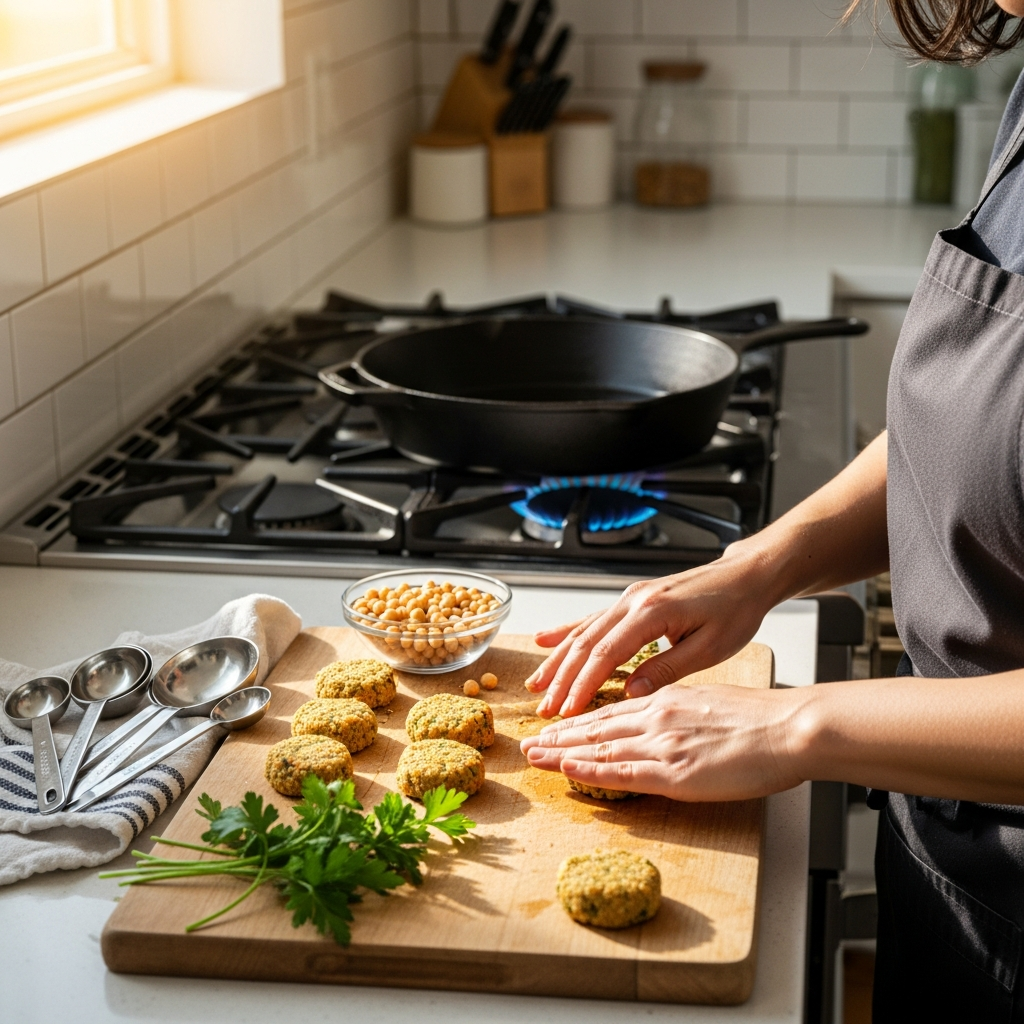
Falafel can be formed as small patties or slightly oval balls using a scoop or two spoons. In Naperville homes with mixed schedules, I find patties more forgiving: they cook evenly and lay flat for sandwiches. Keep a small bowl of water nearby to dampen your hands between patties; it prevents sticking and encourages smooth edges that brown neatly. Slide each patty into oil that shimmers at medium heat, then avoid fussing. A gentle sear on the first side sets the crust; a careful turn finishes it. Three to four minutes per side is a good baseline, with adjustments as you learn your stove’s personality.
Set the finished falafel on the prepared sheet pan and resist the urge to cover them. Steam is the enemy of crunch. Taste the first one with a pinch of salt squeezed over the top. If it needs more brightness, a quick squeeze of lemon over the batch does wonders. If it seems dense, lower your oil temperature slightly and allow a longer, more even cook on the next round. If it crumbles, the mixture was likely too dry—add a teaspoon of water and remix for the next batch.
Serving ideas inspired by local life
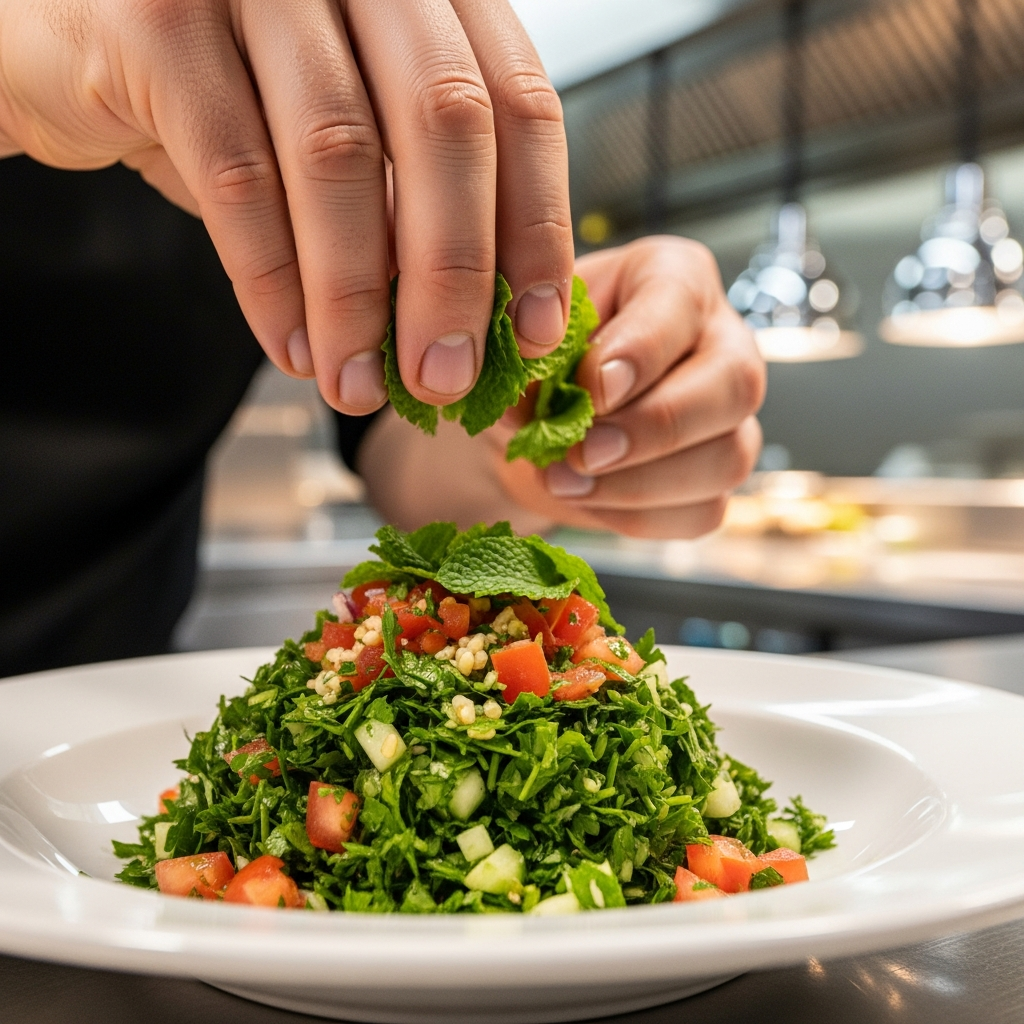
We serve falafel on calm weeknights after practice, build-your-own style. Warm flatbreads, a crunchy salad of romaine and shaved red onion, cucumbers, tomatoes, olives, and a small bowl of tahini sauce sprinkled with sumac. On summer weekends, I’ll pack a box and head to the Riverwalk for an impromptu picnic near the quarry bridge. When the temperature drops and lights flicker on snow, falafel bowls with roasted carrots, warm rice, and garlicky yogurt feel just right. For variations, fold chopped dill into the tahini, or spoon over a bright relish of parsley, lemon, and capers. If you ever want to calibrate your flavors to what’s trending in town, a quick look at a trusted spot’s menu can spark a fresh idea for sauces and sides without overcomplicating your plan.
Leftovers reheat nicely in a toaster oven; a quick blast returns the crunch. If you like to plan ahead, shape patties and chill them uncooked for a few hours; the rest firms the mixture and often leads to neater edges. For kids’ lunches, smaller patties tucked into pita halves hold up better than bowls of loose toppings. And don’t discount breakfast: a warmed falafel patty next to a poached egg and sautéed spinach makes a hearty start on school days.
Troubleshooting texture and flavor
If your falafel tastes raw or grainy, the chickpeas likely needed a longer soak or a finer grind. If they’re too dark, lower your heat and give each side a little more time. If they’re pale and oily, increase the heat. For seasoning balance, remember that salt and acidity are partners. A pinch of salt after frying and a squeeze of lemon at the table wake up the cumin and coriander in a way no amount of spice alone can. Should you crave a greener, herb-forward interior, simply add more parsley; if you want deeper earthiness, nudge the cumin up by a quarter teaspoon, but watch that it doesn’t dominate.
As for regional variations, Naperville kitchens often reflect the city’s blend of families who’ve moved from Chicago, the coasts, and around the world. Some cooks add a bit of minced jalapeño for a fresh kick; others fold in a surprise spoon of sesame seeds for a gentle crunch. The base method stays true, yet the personality shifts as you tinker. Give yourself permission to adjust until the falafel mirrors the way your home likes to eat.
Make-ahead and hosting
When friends drop by unexpectedly—something that happens often around here on game nights—I keep a tub of soaked chickpeas in the fridge. The mix comes together in minutes, and while the first batch fries, I set out bowls of vegetables and herbs. Guests tend to gravitate toward the stove, and conversation bubbles as easily as the oil. With practice, you’ll learn that falafel can be as casual or as polished as you want: fast patties in a skillet or a slower, more ceremonious spread with extra sauces and warm flatbreads wrapped in a towel. Either way, the result thrills people because it tastes like you cared enough to cook something from scratch.
FAQs
Can I use canned chickpeas for this recipe?
For the texture that makes falafel distinct—crisp outside, tender but not mushy inside—dried chickpeas soaked overnight are the best choice. Canned chickpeas are already cooked and release too much moisture, which leads to heavy patties that may fall apart in the pan. If you must use canned in a pinch, dry them thoroughly and add chickpea flour to compensate, but expect a softer result.
How long should I soak the chickpeas?
Plan for at least 12 hours in cool water, up to 24. The goal is to hydrate the chickpeas fully so they grind evenly. If your kitchen is very warm, change the water halfway through. After soaking, drain and pat dry to avoid excess moisture in the mixture.
What’s the ideal oil temperature?
You want a steady medium heat—hot enough that a small pinch of mixture sizzles on contact, but not so aggressive that the outside darkens instantly. If you have a thermometer, 340–350°F works well for shallow frying. More practically, trust your senses: a gentle shimmer in the pan and a measured sizzle are your cues.
Why is my falafel falling apart?
It’s often a moisture or texture issue. If the mixture is too coarse, it won’t hold; pulse a bit more. If it’s too wet, add a spoonful of chickpea flour. Resting the mixture for 15–20 minutes also helps the starches bind so patties hold together during frying.
Can I bake instead of fry?
Yes, though baked falafel won’t be quite as crisp. Brush patties with oil and bake on a hot sheet pan at 425°F, flipping once, until golden. The method is tidier and excellent for meal prep. Still, for classic crunch, a shallow pan-fry is hard to beat.
How do I keep leftovers crisp?
Reheat in a toaster oven or a hot skillet. Avoid microwaving, which softens the crust. If freezing, cook fully, cool, then freeze in a single layer. Reheat directly from frozen in a toaster oven until sizzling.
Can I make the mixture ahead?
Absolutely. You can keep the shaped, uncooked patties in the fridge for up to a day. The rest actually improves their structure. If you store the raw mixture instead, add the baking powder just before frying.
If you’re ready to bring the scent of cumin and parsley into your own kitchen tonight, set the chickpeas to soak and gather your herbs. When you want a final nudge of inspiration for sauces or sides, glance at a neighborhood favorite’s menu and let it spark your pairings. Then heat that skillet, invite someone to linger at the counter, and serve a plate of hot falafel that feels unmistakably at home in Naperville.