Authentic falafel isn’t about fuss—it’s about fidelity to a few essentials that generations of cooks have understood by feel. Here in Naperville, with its mix of bustling grocery aisles, tidy backyard herb gardens, and family tables that run long into the evening, that fidelity is surprisingly easy to honor. We have access to good dried chickpeas, bright herbs, and the kind of steady, relaxed time on a weeknight or slow Sunday that makes soaking, grinding, and frying feel like a ritual worth keeping. When I’m sketching a plan for dinner or thinking through sauces, I sometimes skim a trusted spot’s menu to calibrate my seasonings and sides, then return to the stove and let the scent of cumin, coriander, and garlic do the guiding.
Authenticity in falafel starts with the chickpea itself. Canned beans are convenient but pre-cooked and waterlogged, which means the mixture tends to turn pasty and fragile. Dried chickpeas soaked overnight produce a coarse, grainy texture that fries to a crisp shell while staying tender within. They also carry flavor differently: the spices bloom without being smothered by excess moisture. Add fresh parsley and cilantro, onion for sweetness, and garlic for warmth. The spices—ground cumin and coriander at the core—should be fresh, aromatic, and measured with a steady hand. Too much cumin can flatten complexity; too little and you’ll miss that earthy whisper people expect when they bite into a perfect falafel.
Finding your Naperville rhythm
There’s a local cadence to cooking that’s hard to describe but easy to feel. Maybe you soak chickpeas before a morning commute along Washington Street, then blend the mixture after school pickup near 75th Street. Perhaps you share dinner on a patio lit by string lights as crickets hum after a summer day at Centennial Beach. That rhythm is authenticity too—the way food fits the place it’s made. Plan ahead by soaking chickpeas a day in advance, keep a bundle of parsley on the windowsill, and you’ll find falafel night is as simple as warming a skillet and putting out a bowl of tahini sauce while the first patties sizzle.
Preparing the base with intention
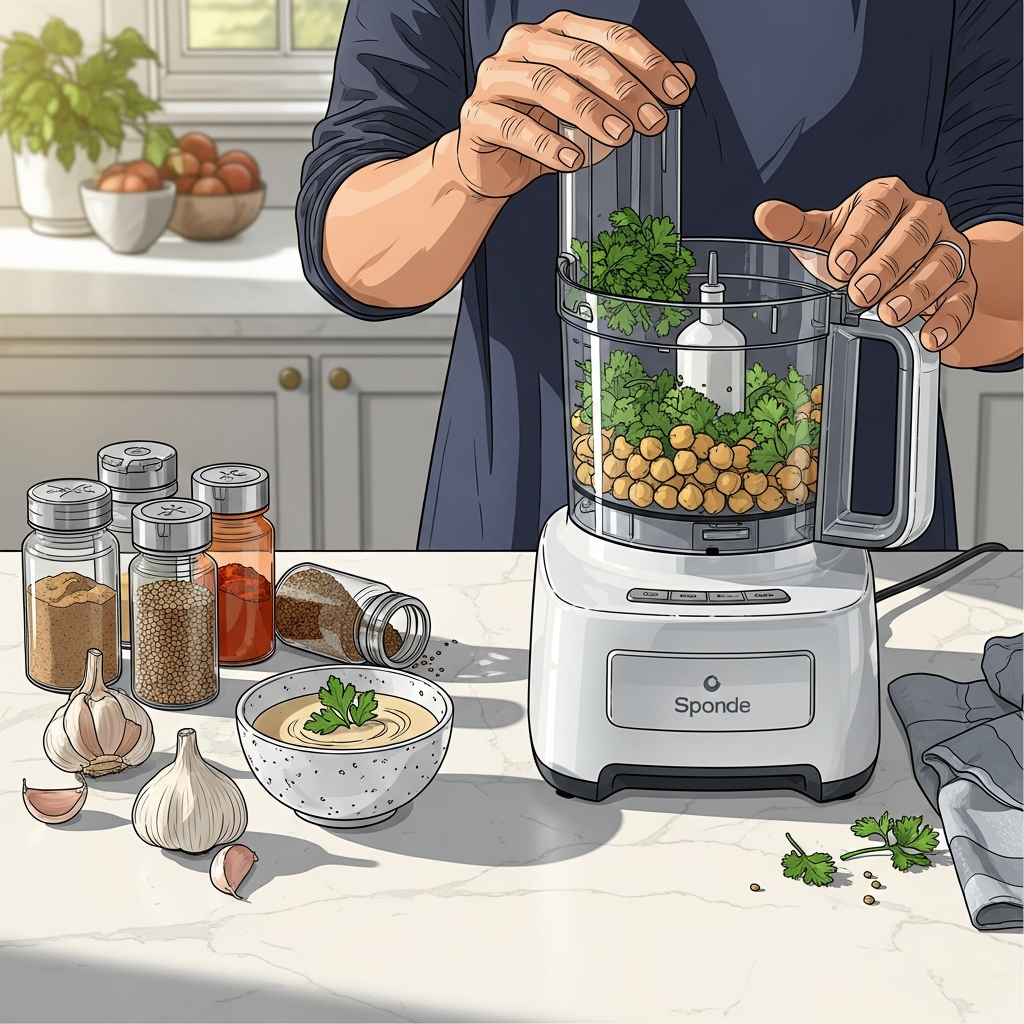
Drain and thoroughly dry your soaked chickpeas. Combine them in a food processor with onion, garlic, parsley, and cilantro, pulsing until you reach a rough, sandy mixture. It should hold together when pressed but still show tiny flecks of chickpea and herb. Stir in ground cumin and coriander, salt, pepper, and a pinch of baking powder by hand. This order matters: pulsing the spices too early can turn the mixture gluey; stirring them at the end keeps the structure textured and lively.
Let the mixture rest. In my experience, a 20-minute rest on the counter is a small but powerful step. It evens out moisture, allows spices to mingle, and makes shaping smoother. During the rest, whisk tahini with lemon juice, a pinch of salt, and enough water to reach a pourable consistency. Taste as you go, nudging acidity until it sings. Authentic falafel loves a bright sauce.
Shaping and frying like a pro
Shaping is almost meditative. Dampen your hands and form compact patties that are slightly thicker in the center. This helps the heat travel evenly, preventing over-browning at the edges before the middle sets. Warm a neutral oil in a heavy skillet over medium to medium-high heat. You’re not aiming to deep-fry; rather, you want enough oil to encourage a vigorous, even sizzle around each patty. Slide them in gently—no overcrowding—and give them three to four minutes per side, adjusting the heat so the crust develops slowly and the centers stay moist.
Authentic falafel is a study in contrasts: rugged crumbs on the outside, a tender, green-streaked interior within. When you crack one open and see steam rising, inhale. If your eyes momentarily close, you’re doing it right. Sprinkle a touch of salt while they’re still hot. Let them rest briefly on a lined tray so steam can escape, preserving the delicate crunch.
Serve with local sensibility
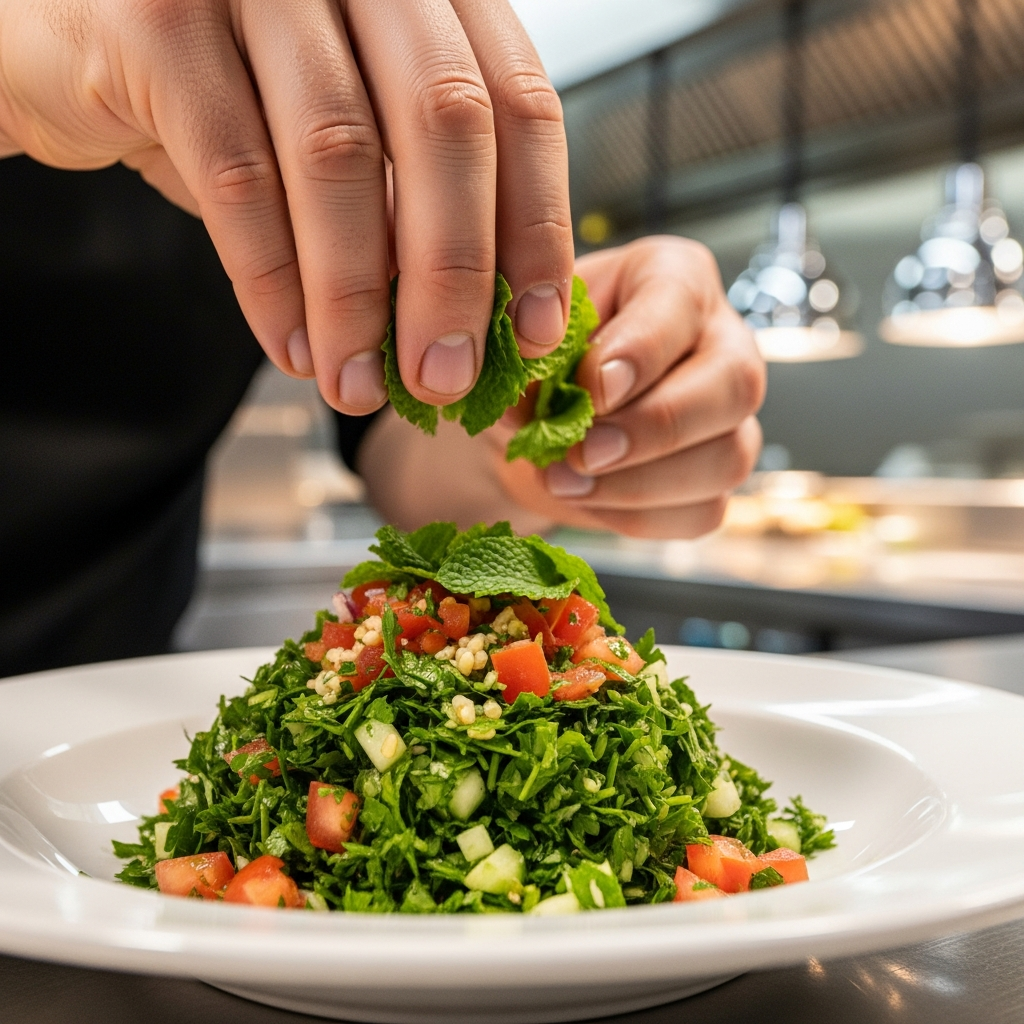
We Napervillians love a good spread. On weeknights, I’ll tuck falafel into warm pita with cucumbers, tomatoes, and pickles, drizzle with tahini, and pass a bowl of lemon wedges around the table. On weekends, especially after a long walk along the Riverwalk or a game at Knoch Park, I’ll set up a small buffet: greens, olives, quick-pickled onions, and a garlicky yogurt. If I want to see how folks around town might be composing their plates, a glance at a neighborhood favorite’s menu is all it takes to refresh my imagination without complicating the plan.
Falafel also lends itself to seasonal variation. In late summer, layer with roasted peppers and cherry tomatoes from backyard gardens. In the colder months, add roasted sweet potatoes or carrots tossed with cumin and chili, then finish with herbs to keep the plate bright. The key is restraint—authentic falafel should lead, with sides supporting rather than competing.
Texture troubleshooting and spice balance
If your patties are breaking apart, look first to moisture. Pat the chickpeas dry after soaking and consider adding a spoonful of chickpea flour if the mixture feels wet. If the falafel is dense, the grind is likely too fine or you’ve packed the patties too tightly; back off on processing and shape with a lighter touch. If the exterior browns too fast, reduce heat; if it cooks without color, raise the temperature. For seasoning, remember that salt lifts spice. Taste a tester patty and adjust before committing to the full batch.
Authenticity also lives in the aromatics. Grind your cumin and coriander fresh when possible. Even shaking a new jar in your palm and inhaling will tell you whether the spice is lively. Garlic should be firm and bright, not sprouting. Parsley and cilantro should snap when you pinch a stem. These small signals guide the cook and, more than any rigid recipe, protect the soul of the dish.
Hosting and make-ahead wisdom
For a casual gathering after a Saturday run along the DuPage River trail, soak a double batch of chickpeas the night before. Mix and shape patties earlier in the day and refrigerate them on a parchment-lined tray. The rest compacts the mixture and makes frying stress-free while you chat with guests. Keep the cooked falafel on a sheet pan in a low oven for a few minutes if you need to sync batches; just avoid covering them, which softens the crust.
Leftovers are a gift. Slide a few patties into a toaster oven in the morning and tuck them into a lunchbox with a small container of tahini and a handful of cherry tomatoes. They also love breakfast—think falafel crumbled over warm grains with a squeeze of lemon and a spoon of yogurt.
FAQs
What makes falafel “authentic” at home?
The use of soaked dried chickpeas, fresh herbs, and simple, well-chosen spices defines authenticity more than anything else. Authentic falafel relies on texture achieved through careful grinding and frying, not on shortcuts that soften structure.
Can I grind the mixture too much?
Yes. Over-processing eliminates the coarse crumb that allows steam to escape during cooking, leading to dense patties. Stop when the mixture just holds together when pressed.
How do I season tahini sauce properly?
Balance lemon, salt, and water until the sauce thins to a pourable consistency and tastes bright but rounded. The sauce should complement the falafel, not dominate it.
What oil should I use for frying?
A neutral, high-heat oil like canola, sunflower, or avocado oil works best. Maintain a steady medium heat to develop color gradually.
Can I bake falafel and keep it authentic?
Baked falafel is convenient and tasty but yields a different texture. For a classic experience, shallow-fry in a skillet. Baking is excellent for meal prep or lighter fare, but expect less crunch.
How do I avoid dryness inside?
Ensure the chickpeas are properly soaked and don’t overcook the patties. A slightly thicker center and controlled heat keep the interior moist. A small pinch of baking powder also tenderizes without making the mixture airy.
When you’re ready to bring real-deal falafel into your Naperville kitchen, soak your chickpeas tonight, clear a little counter space, and trust the process. If you’d like a spark of plating or sauce ideas that fit the mood around town, take a quick look at a beloved local menu, then set the skillet on and welcome everyone to the table as the first batch sizzles to perfection.