If you want to find the best falafel in Naperville, you won’t get there by scrolling endlessly or chasing every tip on social media. You’ll get there the way Naperville residents have always found their favorites: by talking to people at the farmers market, chatting with a neighbor on a front stoop, and listening for the stories that emerge in line at lunchtime. I’ve been part of that chorus for years, balancing home cooking with a keen eye toward what the city’s Mediterranean-leaning spots are serving. I often scan a trusted local menu to gauge how flavors are trending, then compare those notes with how locals describe the perfect bite: crisp shell, tender middle, a chorus of cumin and coriander, and a cool, lemony sauce to tie it all together.
Ask around and you’ll hear similar markers of quality. The best falafel should feel alive even before you taste it, sending up a fragrant cloud when the bag opens in the car or when the first plate hits the table at home. Naperville’s appetite is active and varied—families heading to the Riverwalk for a picnic, students grabbing a quick lunch between classes at North Central, and commuters looking for a no-fuss dinner after the train. Across all those moments, the falafel people talk about most shares common traits: the audible crunch, the steam that curls out when you break one open, and a clean, green interior punctuated by herbs rather than weighed down by too much flour.
What locals listen for and look for
Word-of-mouth in Naperville travels from grocery aisles to soccer sidelines and back again. Folks notice the small things. They’ll mention how a place seasons its pickles or whether the tahini is balanced or bitter. They’ll talk about the pita’s warmth and texture—supple enough to fold without tearing, just sturdy enough to hold toppings. And they’ll comment on the way the falafel tastes the second it cools a little, because great falafel carries flavor even after the initial adrenaline of the first bite fades.
Freshness is the first test. Locals know that soaking and grinding chickpeas from dry builds a structure you can’t fake. They know that herbs should smell like the backyard after rain. Pickles should snap; tomatoes should taste like tomatoes. Once these baselines are met, attention turns to composition: whether the spices hum in gentle harmony, whether the crust stays crisp in a sandwich, and whether the sauce’s acidity lifts the whole experience rather than drowning it.
Naperville neighborhoods, different moods
Downtown has a particular energy. You can sense it in the after-work crowds drifting from the Riverwalk toward dinner, or in families finishing an afternoon at Centennial Beach and deciding they’re not cooking tonight. Farther south, along 95th Street, weeknights feel practical—people want something that travels well for homework nights and team practices. Out west near Route 59, the pace is a bit more spread out and weekend-oriented, with errands tumbling into an early dinner. What counts as “best” falafel flexes a bit with these rhythms. A sandwich brimming with crunchy vegetables might be perfect for a riverside picnic, whereas a heartier bowl with warm rice and roasted vegetables might be right for a late evening at home.
I love hearing how families make the experience their own. Some always add a side of warm, lemony potatoes; others go heavy on pickled turnips for color and snap. Plenty swear by extra tahini. A few skip the pita entirely and go for a crisp-meets-creamy contrast in a bowl, topping hot grains with cooling cucumbers and a spoonful of hummus. The common thread is care: the best falafel places, and the best home cooks, don’t rush the steps that build texture and balance.
How to tell you’ve found “the one”
First, listen. You should hear a faint crackle when you press the falafel with a fork. Then, look inside: the color should be pale with green flecks, not grey or muddy. Smell the steam. You want a modest presence of garlic, a warmth of cumin and coriander that doesn’t overwhelm, and a fresh finish from parsley and cilantro. Taste for salt—not a blast, but a lift that brings the spices forward. Notice the oil: well-made falafel tastes clean and light, not greasy. Finally, track how you feel after the meal. The best falafel leaves you satisfied but not weighed down, as ready for a walk along the Riverwalk as you are for an evening on the couch.
Locals also pay attention to consistency. It’s one thing to eat a terrific falafel on a lucky day; it’s another to trust that every visit or every home batch will hit the same notes. That reliability is a hallmark of the places that earn their reputation in Naperville, where repeat customers come from across the city and the surrounding suburbs. When someone says, “They never miss,” that’s when I listen closely.
Bringing the experience home
Even the most devoted fans of local falafel love to cook it at home once in a while. It’s part curiosity, part pride: after tasting great versions around town, you want to bring your own to the table. The key is to stay true to the fundamentals of soaking dried chickpeas, grinding to a coarse texture, and frying in patient batches. If you’re building a sandwich, warm the pita first. If you’re building a bowl, layer hot and cold thoughtfully—rice or grains first, then falafel, then cool vegetables and sauces. And if you want to check your instincts against what’s trending, peeking at a neighborhood favorite’s menu can nudge you toward a new sauce or topping you hadn’t considered.
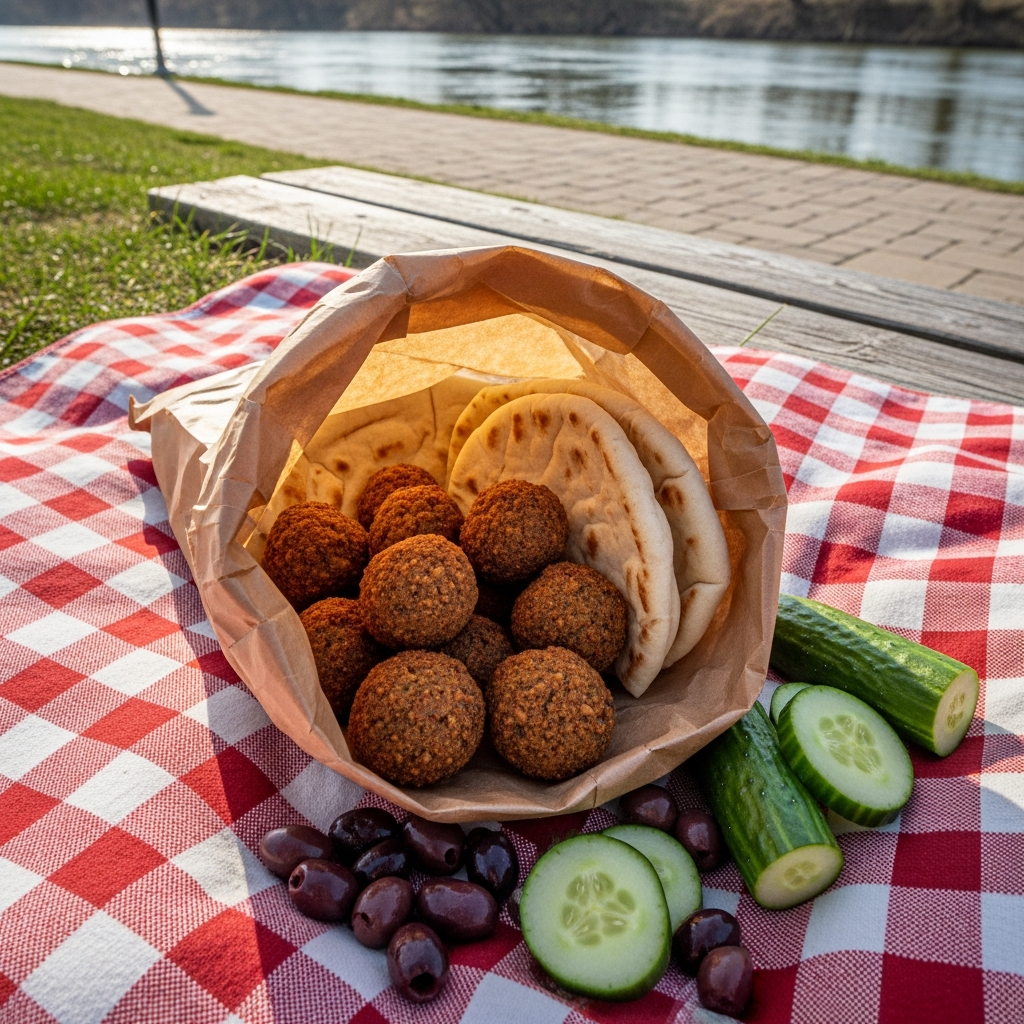
For picnics near the quarry or a quick lunch in the car between errands on Ogden Avenue, opt for smaller patties. They cool more evenly, hold their crunch longer, and fit neatly in a pita without crowding other textures. For a sit-down dinner, go slightly larger and serve immediately with a bright salad. Either way, napkins are essential—and in Naperville households, there’s usually a stack ready by the door.
Seasonal cues and local markets
Naperville’s seasons shape how we eat. In summer, cucumbers from backyard gardens and market stands grant snap to every bite. In fall and winter, roasted carrots or squash slip into bowls and play well with falafel’s spice. Spring is for herbs, when a bouquet of parsley and cilantro on the counter feels as hopeful as open windows after months of frost. You’ll find everything you need at the city’s grocery stores and specialty markets, and once you’ve made falafel a few times, you’ll notice how easy it is to pivot toward what looks best that day.
It’s also worth noting how families share the work. Kids can rinse herbs and crumble feta. Someone else can warm pitas or whisk tahini with lemon. Part of what locals call “the best” has little to do with strict rules and everything to do with how a meal gathers people, shaping the memory of a place and a season.
FAQs
What defines the “best” falafel among Naperville locals?
Locals prize freshness, a shattering crunch, a moist herb-streaked interior, balanced spices, and sauces that support rather than overwhelm. Consistency over time is key, as is how well the falafel travels for picnics or busy nights.
How can I judge falafel quality quickly?
Listen for a crisp crackle, check for a pale, green-flecked interior, and notice the aroma of cumin and coriander. Taste for clean oil and balanced salt. If it feels light yet satisfying, you likely have a winner.
What sides make falafel shine?
Classic tahini, crisp cucumbers, tomatoes, pickles, and warm pita are staples. In cooler months, add roasted vegetables or warm grains. The key is contrast—crunch with creaminess, warmth with coolness, acidity with depth.
Can I keep falafel crunchy for a picnic?
Yes. Fry or reheat just before leaving, vent the container so steam escapes, and keep sauces on the side. Smaller patties hold crunch longer and fit neatly in sandwiches.
Is homemade falafel worth the effort if local spots are great?
Absolutely. Cooking at home builds appreciation for the craft and gives you control over texture and spice. It also turns dinner into a small event, which is part of what we love about eating in Naperville.
How do I avoid soggy sandwiches?
Warm the pita, add a barrier of greens or hummus, and sauce lightly just before eating. Pack vegetables dry and keep extras on the side for topping at the table or picnic blanket.
Whether you’re grabbing dinner after a sunset along the Riverwalk or inviting friends for a relaxed weekend meal, Naperville offers countless ways to enjoy falafel. When you want inspiration for how to round out the plate—whether to go with a sandwich, a bowl, or a snack spread—glance at a local favorite’s menu, then trust your taste buds. The best falafel, after all, is the one that makes you pause mid-conversation, smile, and reach for one more bite.