If you ask ten people in Naperville how they make Taboili salad, you will likely hear ten versions, each with a favorite trick learned from a neighbor, a grandmother, or a chef they trust. I fell in love with the bright, lemony lift of Taboili the first spring I moved near the Riverwalk, when the farmers market spilled over with parsley so fragrant it practically perfumed the sidewalk. This is a salad with a personality—crisp, herb-forward, and refreshing enough to carry you from a packed weekday lunch to a sunset picnic by the DuPage River. Before we dive into the details, I’ll share what I tell friends who want trustworthy Mediterranean flavors around town: if you’re exploring local dishes and want to peek at a trusted spot’s offerings, check out their menu to get inspired by how pros balance herbs, grains, and zest.
What follows is the way I make Taboili with piles of fresh parsley, a method polished by countless family dinners and weekend batches for neighbors who pop by unannounced. It’s a recipe that prizes texture and freshness, and it welcomes the small personal adjustments that make it truly yours. In Naperville, our seasons shape how I shop and chop. In spring, I lean on local parsley that stands tall in crisp bunches. In late summer, when heirloom tomatoes come in from nearby growers, I lean a little heavier on sweetness to balance the lemon. In deep winter, I pay extra attention to the greens’ tenderness, because colder months can make parsley a touch sturdier and more robust.
Choosing Parsley Like a Local
The heart and soul of Taboili is parsley—bright, peppery, and endlessly refreshing. I prefer flat-leaf parsley because it chops more cleanly and releases a slightly richer aroma than curly. At Casey’s Foods or during a Saturday morning stop at the market, I’ll sift through bunches for taut stems and leaves that look glossy rather than matte. If you have time, unbundle the parsley when you get home and give it a long, cold soak. This wakes up the leaves, dislodges any grit, and ensures a crisp bite. Then dry it thoroughly; a salad spinner is your best friend here. The drier the parsley, the brighter and less watery the final salad will taste, especially important when you plan to take a bowl to a backyard get-together in West Highlands.
When it comes to quantity, I like to tip the scales decisively toward herbs over grains. Think of Taboili as a parsley salad with supporting characters rather than a grain salad with a sprinkle of herbs. For a generous family bowl, two hands-full of tightly packed parsley—roughly four large bunches—create the backbone. Don’t be shy about the chopping; fine, even cuts are essential. Hold the knife steady and let the blade do the work. The goal is confetti, not shreds. If your cutting board gets wet, dab it dry to keep the leaves from slipping and becoming bruised.
Bulgur: Texture and Timing
Even with the herbal emphasis, bulgur plays a starring role in texture. The question I hear most around town is, “Which grade should I buy?” Fine bulgur (often labeled as #1) is my choice for classic Taboili because it softens quickly and maintains a tender, nubby bite that mingles rather than dominates. I rarely cook it like rice. Instead, I soak it in just-boiled water seasoned with a pinch of salt and sometimes a whisper of cinnamon if I’m in the mood for warmth. After about ten to fifteen minutes, I test a grain. It should be pliable but not mushy, with a little spring when you press it between your fingers. Drain any excess liquid and squeeze it in a clean kitchen towel if needed; like the parsley, the bulgur should be on the drier side so the dressing clings rather than pools.
If you’ve had a busy day running errands along Ogden Avenue or coaxing the kids from practice at Naperville North, you can pre-soak the bulgur in the morning and store it in the fridge. When you come home, it’s waiting—cool, fluffy, and neutral, ready to absorb lemon and olive oil. In warm weather, I sometimes chill the bulgur after soaking to get a slightly firmer texture that holds under juicy tomatoes.
The Tomato-Lemon Balance
Tomatoes contribute juicy brightness and a sweet counterpoint to the parsley’s peppery edge. I look for firm, heavy tomatoes that smell like the garden—Roma for structure or vine-ripened when local stalls are bursting. Dice them small to mirror the texture of parsley. I sprinkle a pinch of salt over the tomatoes and let them rest in a sieve over a bowl; after ten minutes, you’ll see a puddle of liquid you don’t need. This small step ensures the salad doesn’t turn watery, a trick I learned after too many damp bowls during late-summer potlucks at Naper Settlement concerts.
Lemon juice is the personality driver. Freshly squeezed is non-negotiable. I start with more than I think I need, especially when the weather is muggy or when the salad will be served cold. Lemon flavor dulls quickly when chilled, so a touch extra keeps the flavors awake. If your lemons are tight-skinned, roll them on the counter with a bit of pressure to wake up the juice. Mix the lemon with a great extra-virgin olive oil—something green and vibrant. I whisk in a pinch of cumin for warmth and a swipe of minced garlic, never more than one small clove. Taboili should hum with garlic, not shout.
Mint, Scallions, and Cucumber
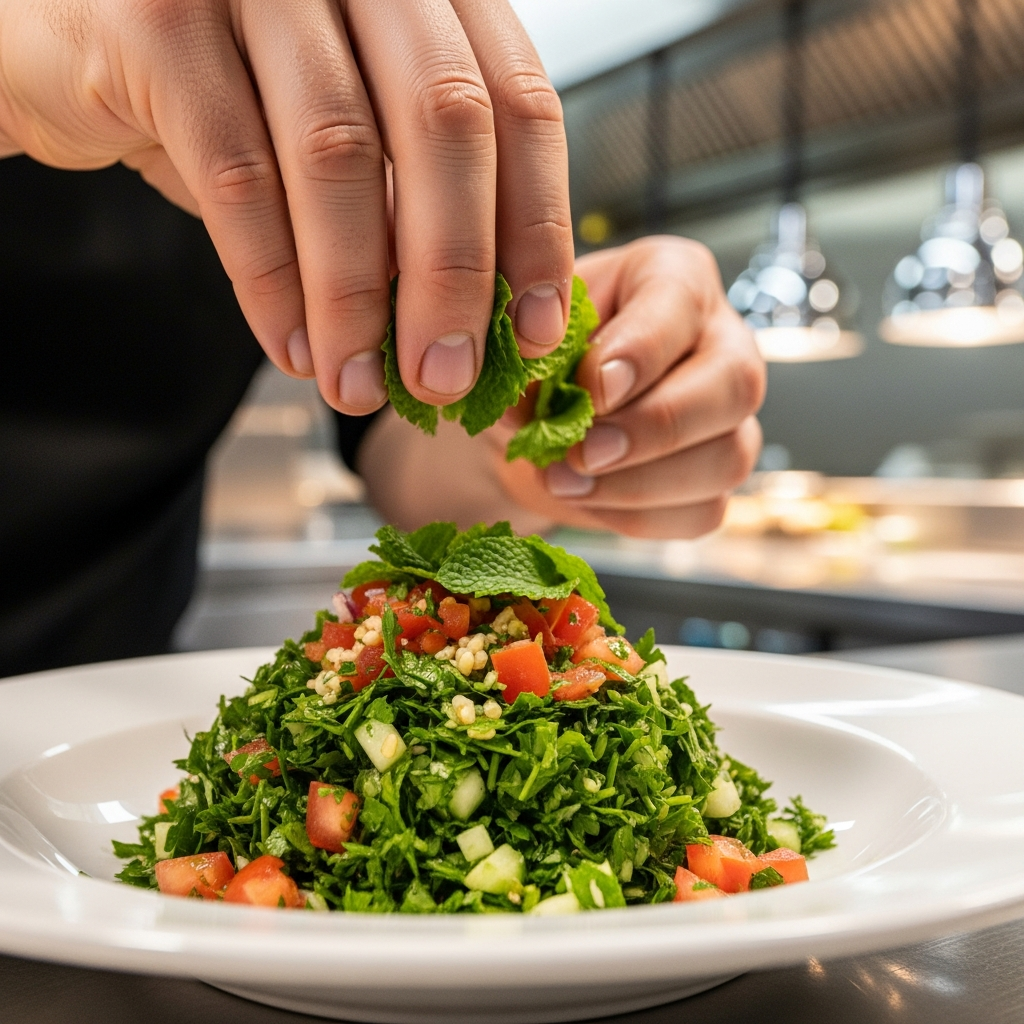
Fresh mint lifts Taboili. I use it sparingly, because too much can tip the salad toward sweetness. A small handful of finely chopped leaves—no stems—adds the right fragrance. Scallions bring gentle bite. Slice them thin, nearly transparent, and include both white and green parts for layered flavor. If you like a cooling crunch, fold in deseeded cucumber cut into tight dice. In Naperville’s humid midsummer, cucumber keeps the salad lively without diluting the flavors when handled right: scrape out the seeds, pat dry, and keep the pieces small to blend in.
At this point, I season with fine sea salt and a few grinds of black pepper, then let the bowl sit for five minutes. This short rest lets the salt tease out the parsley’s flavor and encourages the bulgur to pull in the lemon and oil. Stir again and taste. Many first-timers forget this pause; it’s the moment where everything starts to taste like one idea rather than a parade of ingredients.
Assembling With Intention
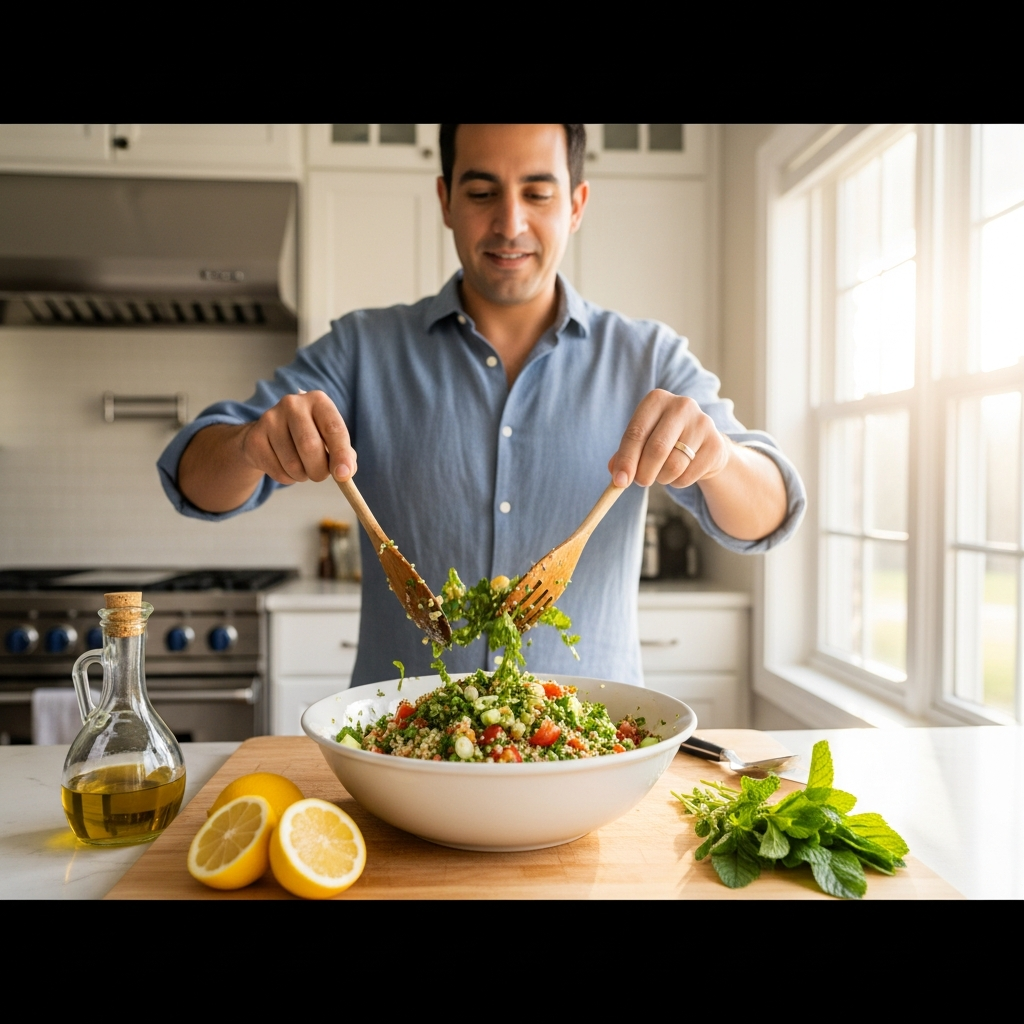
To assemble, I begin with the parsley and scallions, fold in the bulgur, then the tomatoes and cucumber. I drizzle the lemon-olive oil mixture in arcs rather than dumping it in one spot, then toss gently from the bottom up. This slow build prevents clumping and avoids bruising the herbs. If I’m serving guests near Downtown Naperville after a stroll past the bookstores, I sometimes add a light dusting of sumac for bright tang on top. It’s not essential, but it creates a ruby shimmer that looks beautiful in the early evening sun.
When the salad is meant for a picnic, I pack the dressing separately and combine everything right before serving. If you prefer to assemble ahead, slightly under-season the first pass, then correct salt and lemon at the last minute. Chilled salads hide seasoning; trust your palate right before the meal. And if inspiration strikes while browsing a Mediterranean restaurant’s menu, note how they pair Taboili with grilled items or warm pita; those contrasts can guide how you plate at home, whether you’re setting out a family-style dinner or prepping single-serve containers for the workweek.
Serving in Naperville’s Seasons
Our city’s seasons shape not only how we shop but how we serve. In spring, Taboili is a reminder that green is back after a snow-packed winter. I like to plate it in shallow bowls so guests see the herb texture glistening under lemon. In summer, especially after a Saturday at Centennial Beach, I serve it slightly cooler than room temperature, never fridge-cold, so the olive oil stays silky. In autumn, when weekends pivot to football games and the trees around the Riverwalk blaze orange, I fold in a bit more bulgur for heartiness and pair with roasted vegetables. Winter invites a slower pace and a sharper lemon note, which cuts through the cozy richness of braises and soups.
Make-Ahead Strategies for Busy Weeknights
Life in Naperville is full—commuter schedules, school activities, friends stopping by. Taboili fits the rhythm because you can split the work. Chop the parsley in the afternoon, store it wrapped in paper towels inside a zip-top bag, and refrigerate. Soak the bulgur and chill it in a glass container. Pre-mix the lemon and olive oil in a small jar. When dinner time arrives, it’s a two-minute toss. If you want to get a head start on the week, double the parsley and bulgur, but only dress what you’ll eat that day. The un-dressed components keep their lift for days. Dressed Taboili is still delicious after a night’s rest, but it becomes softer and more melded—better tucked into wraps for lunch or spooned next to roasted chicken for an easy plate.
Troubleshooting Like a Pro
If your Taboili tastes flat, it is almost always a lemon issue. Add a splash more and a pinch of salt, then wait two minutes and taste again. If it tastes heavy, it’s either too much oil or the bulgur is wet. Squeeze the bulgur dry next time, and drizzle the oil more judiciously. If it’s watery, the tomatoes weren’t drained or the parsley wasn’t dry enough; that’s why the early steps matter. If the parsley feels tough, you probably chopped too coarsely or used older bunches. Don’t be afraid to keep your knife moving. With practice, you’ll find a rhythm that yields a light, almost fluffy texture.
Storing and Reusing Leftovers
Leftover Taboili is one of the best gifts in the fridge. On day two, the flavors have knit together, and the lemon note softens. I often spoon it into a bowl with extra cucumbers, a few olives, and a spoonful of yogurt on the side for a quick lunch before meetings in Downtown Naperville. It also plays well as a topping for baked sweet potatoes or a filler for grain bowls. If you plan to serve leftovers to guests, refresh with a squeeze of lemon and a handful of just-chopped parsley to wake up the color and fragrance.
FAQ
Q: How fine should I chop the parsley for Taboili?
A: Aim for very fine, even pieces—think confetti rather than ribbons. This fine chop keeps the bite delicate and ensures every forkful carries the same balance of herb, grain, and tomato.
Q: Do I need to cook the bulgur?
A: For fine bulgur, soaking in just-boiled water is enough. It should become tender but retain a pleasant bite. Cooking on the stove can make it mushy and heavy.
Q: Can I make Taboili gluten-free?
A: Yes. Substitute fine quinoa or even riced cauliflower for the bulgur. Quinoa benefits from a rinse and a brief cook, then a thorough cool-down so it stays fluffy.
Q: How long will Taboili keep in the fridge?
A: Dressed Taboili is best within 24 hours for peak brightness, though it remains delicious for up to three days. Store components separately if you want maximum freshness throughout the week.
Q: What tomatoes work best?
A: Firm Romas hold their shape, while vine-ripened or local heirlooms add lush sweetness. Whatever you choose, drain the dice so extra juice doesn’t water down the salad.
Q: Which olive oil should I use?
A: A robust extra-virgin brings body and fruitiness. Taste it on a spoon; if it makes you smile with peppery warmth, it will lift your Taboili.
Q: Any tips for serving Taboili at an outdoor gathering?
A: Keep the dressing separate until serving, use well-drained ingredients, and season slightly more assertively to compensate for cooler serving temperatures and outdoor distractions.
Q: Where can I find great parsley in Naperville?
A: The farmers market in season is fantastic, as are independent grocers and well-stocked produce departments around town. Look for perky leaves and sturdy stems, and buy more than you think you need.
Bring It to Your Table Tonight
There’s something wonderfully grounding about a bowl of Taboili on a Naperville table—the way it brightens conversation and turns a simple meal into a celebration of herbs and care. Start with fresh parsley, mind your texture, and let lemon be generous. If you’re seeking more ideas for pairing and presentation, a quick look at a local Mediterranean spot’s menu can spark all kinds of creativity. And when you’re ready to make this salad your own, pull out the biggest bowl you own, gather friends, and taste as you go. That’s the Naperville way: generous, lively, and always a little greener than you expected.