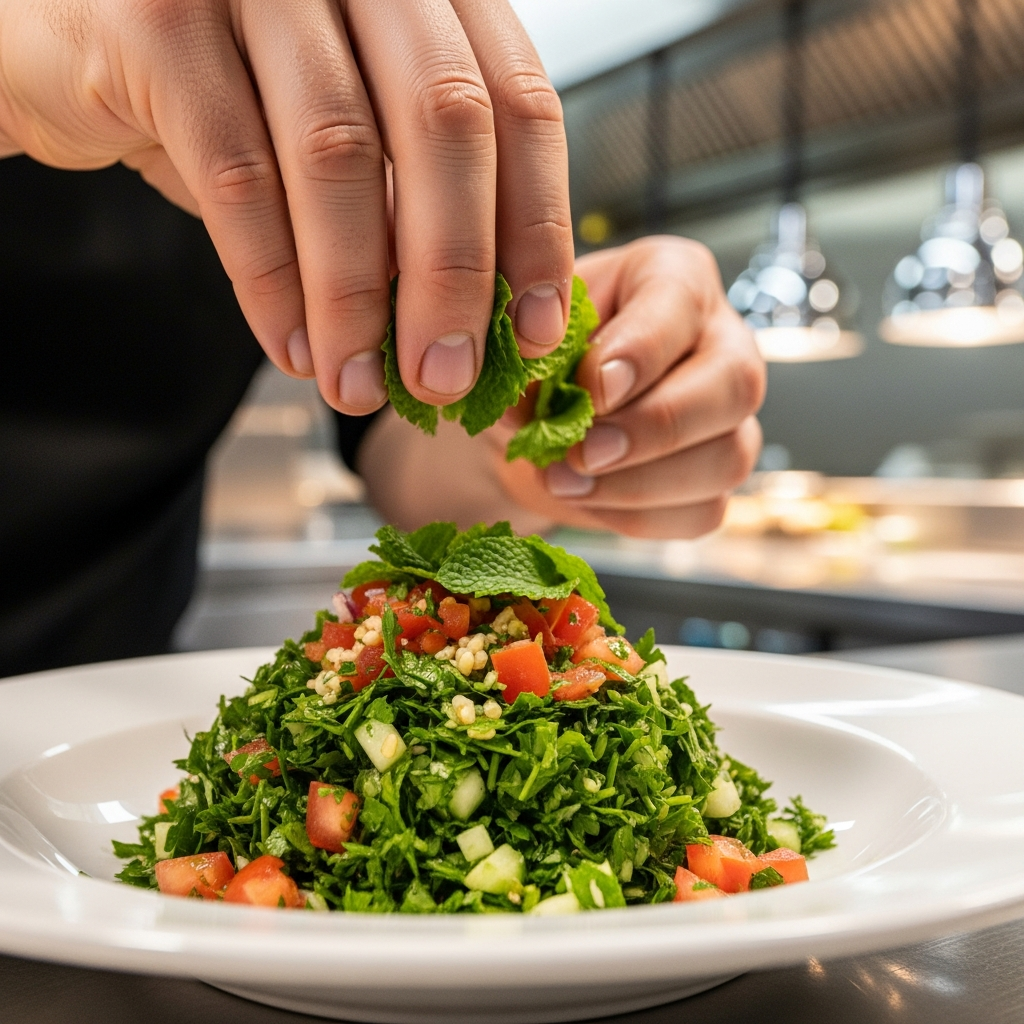
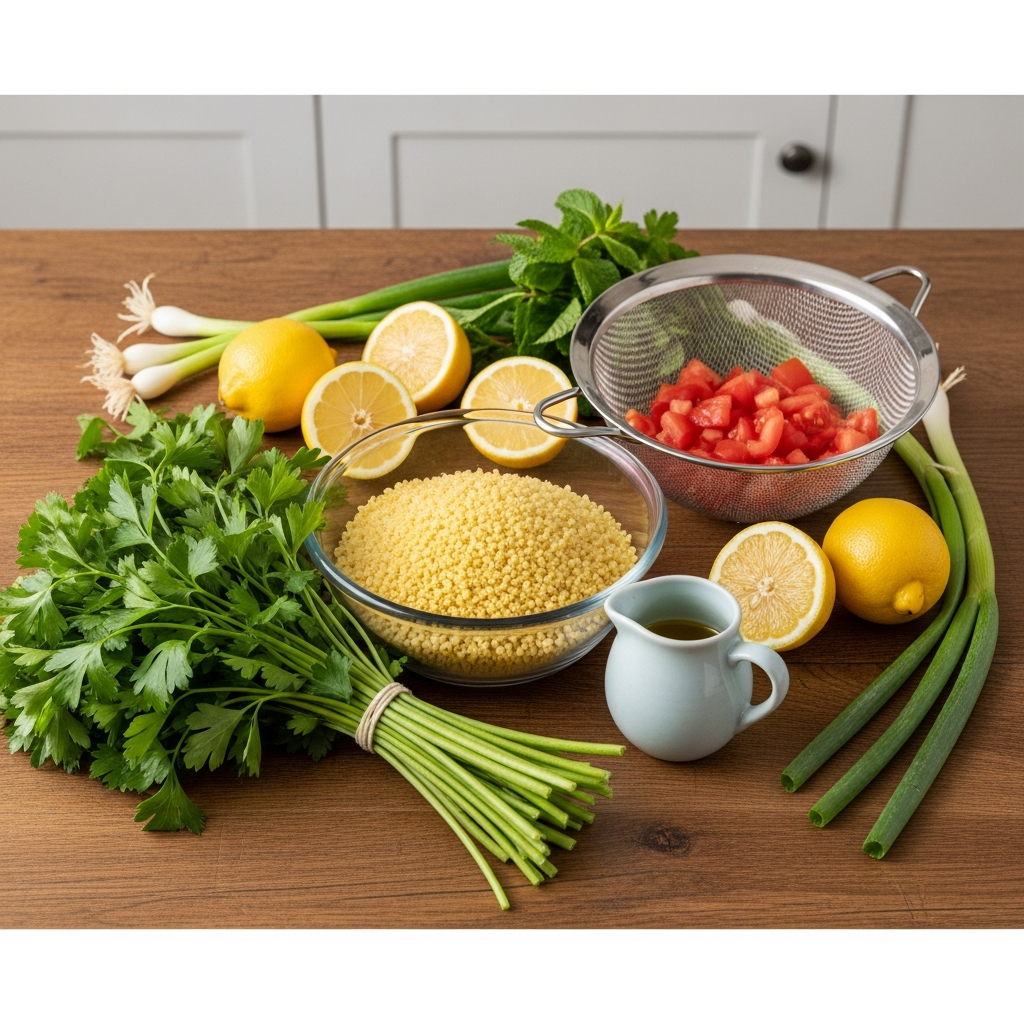
When neighbors ask me what makes a great Taboili in Naperville, I don’t start with techniques or timelines. I start with the ingredients themselves, the way you might talk about a family you love—each member with its quirks and strengths, each essential in shaping the whole. Taboili is a salad that wears its simplicity with pride: fresh parsley, fine bulgur, lemon, olive oil, tomatoes, and a few aromatic friends like mint and scallions. It seems so straightforward that you might wonder how one bowl can outshine another. The answer lies in the character of each ingredient and how thoughtfully it’s chosen and prepared. For a sense of how professionals assemble these flavors around town, a quick look at a trusted local spot’s menu can spark inspiration before you shop.
Let’s start in the produce aisle, where decisions quietly determine whether your Taboili sings or simply speaks. In the height of summer, Naperville’s markets brim with fragrant greens; you can smell the parsley before you see it. I gravitate towards flat-leaf parsley for its fuller flavor and gentle texture. The bunches should feel heavy for their size and show off a glossy sheen on the leaves. If the bunch looks droopy, it won’t improve at home. Treat those leaves with the same care you’d give tender lettuce: a generous rinse, a cold soak to revive, and a thorough spin dry. Dryness is flavor insurance; it keeps your lemon and oil from being diluted and ensures a feathery bite.
Understanding Parsley’s Role
Taboili is, at heart, a parsley salad. That’s not just a culinary quirk—it’s a philosophy. The parsley delivers freshness you can taste and texture you can feel. A common mistake is skimping on the amount or chopping too coarsely. You want a fine, even chop that turns the leaves into tiny, soft pieces capable of blending into the whole. To achieve this, gather leaves in small piles, tuck your fingers, and let the knife move in a rocking rhythm. Pause to dry the board if moisture accumulates; it prevents sliding and bruising. As you chop, the aroma intensifies, a promise of the salad’s brightness to come.
If you’re tempted by curly parsley for its ruffled charm, know that it can work in a pinch but requires extra time to tame those curls into delicate bits. Flat-leaf will reward you sooner with cleaner edges and a more direct, peppery scent. In winter, when the air along Washington Street cuts a little sharper and the produce requires a keener eye, I pay special attention to stems. Tender stems are fair game, but if they feel woody, strip more leaves to avoid a fibrous chew.
Bulgur: Grain and Restraint
Now to bulgur, the grain that offers soft resistance without overshadowing the herbs. Fine bulgur (#1) is ideal for Taboili. Its smaller cut absorbs flavor swiftly and fluffs in minutes with just-boiled water. I pour water to barely cover, add a pinch of salt, then wait, resisting the urge to stir. After ten minutes, the grains relax into tenderness. Drain what remains, and—if necessary—wring the bulgur in a clean towel. Dryness, again, is your ally. The goal is a grain that adds body while acting like a sponge for lemon and oil, not a porridge that mutes the salad’s voice.
Bulgur’s toasty flavor comes from being parboiled and dried before packaging, a detail that explains why it seems to come alive so quickly. In Naperville, where schedules run tight and weeknights sometimes mean dashing between a Riverwalk stroll and a late game at North Central College, that speed matters. If you must use medium bulgur, extend the soak or give it a brief simmer, but watch carefully to avoid mush. For coarser cuts, Taboili shifts character, turning heartier and more grain-forward. It’s tasty, but the parsley won’t be the star—and that star turn is what you want in a traditional bowl.
The Citrus-Olive Oil Equation
Lemon juice is the electricity of Taboili. It sends brightness through every bite. Squeeze it fresh; bottled juice won’t deliver the sparkle you need. I often start with more than the recipe implies, tasting and adjusting, especially when tomatoes are extra sweet or when the salad will be served cool under patio lights. Olive oil should be extra-virgin with a lively aroma. I like an oil that gives a gentle peppery tickle at the back of the throat—an indication of polyphenols that add character. Whisk lemon and oil with a pinch of salt and a restrained amount of garlic, just enough to whisper but never to dominate.
If your family loves a softer, more mellow edge, let the dressing rest for five minutes before tossing; the acidity relaxes slightly while remaining vivid. Some cooks like a pinch of ground cumin or a dusting of sumac for complexity. I add these only after the core flavors are balanced, so they enhance rather than distract. As always, trust your taste buds. Naperville palates are adventurous but grounded; the goal is a salad that feels both exciting and comfortably familiar.
Tomatoes, Mint, and Scallions
Tomatoes should be firm and fragrant, diced very small to mirror the parsley’s texture. I salt them lightly and let them shed some juice in a sieve. This quick step keeps your salad from sloshing. Mint—used sparingly—adds a clean lift, like a cool breeze by the DuPage on a warm evening. Too much mint can turn the salad sweet, so a small handful of finely chopped leaves is plenty. Scallions contribute a gentle onion note. Slice them fine, including both the pale and green parts, and they’ll meld without sharpness.
In the cooler months, when tomatoes are less exuberant, seek out cherry or grape varieties; they tend to hold sweetness better. Dice them tiny and drain as usual. Or lean on the lemon a little more, letting acidity carry the refreshment that summer tomatoes usually supply. If a cucumber makes you happy—and for many of us it does—peel or not to your taste, scrape out the seeds, and dice small. The key is to keep textures consistent so every forkful offers the same ensemble of flavors.
Shopping the Neighborhood
One joy of making Taboili in Naperville is the variety of places to gather ingredients. Independent grocers often carry especially lively herbs, and the weekly markets give you a chance to chat with growers who will tell you what’s been harvested that morning. You learn small truths this way, like which stalls have the most tender parsley after a cool night or which vendor’s lemons are juicier than they look. When inspiration strikes, I sometimes glance at a Mediterranean spot’s menu to note how they champion freshness alongside grilled meats, spreads, and warm breads. Seeing how professionals compose a plate often nudges me to think about balance and contrast at my own table.
Back at home, I lay out the ingredients like a painter setting a palette. Parsley in a big bowl. Bulgur ready and cool. Tomatoes drained. Mint and scallions fragrant. Lemon and olive oil whisked. Then I bring it together carefully, always adding dressing in arcs and tossing from the bottom so I don’t crush the greens. Patience shows in the final bite; the salad looks airy, tastes bright, and never leans soggy.
Fine-Tuning for Your Taste
Not all palates agree, and that’s part of the fun. Some families in Naperville love a more assertive lemon note, others prefer a smoother, oil-forward experience. If your salad seems sharp, add a splash more oil and a pinch of salt; if it feels heavy, add lemon and a handful of fresh parsley to revive it. If the garlic is bossy, fold in extra tomato and bulgur to soften the edge. And if the salad is just shy of memorable, a dusting of sumac or a grind of black pepper brings a final layer of intrigue.
For gatherings, I set aside a small bowl of extra-parsley confetti to sprinkle on top just before serving. This simple touch brightens color and aroma, a trick that consistently gathers compliments whether I’m serving in a backyard off 95th Street or carrying a big bowl to a block party near the Riverwalk.
Storage and Make-Ahead Wisdom
If you want Taboili to feel freshly made on day two, keep components separate. The chopped parsley wrapped in paper towels, the bulgur fluffed and dry, the tomatoes drained, and the dressing capped. Combine only what you need that day. When you do store leftovers dressed, plan on a softer salad tomorrow—still delicious, particularly tucked into a wrap or spooned beside roasted vegetables. A quick freshening of lemon and a pinch of salt brings yesterday’s bowl back to life.
FAQ
Q: Is flat-leaf parsley always better than curly?
A: For Taboili, flat-leaf typically offers a cleaner chop and stronger flavor. Curly can work with careful chopping but takes longer to achieve the same delicate bite.
Q: Which bulgur grade should I buy?
A: Choose fine bulgur (#1) for classic texture and quick soaking. Medium can substitute with adjustments, but it shifts the salad toward a grainier profile.
Q: Can I use quinoa instead of bulgur?
A: Yes. Rinse well, cook lightly, and cool completely. Quinoa changes the character slightly—more nutty than toasty—but remains bright and satisfying.
Q: How do I keep the salad from getting watery?
A: Dry the parsley thoroughly, drain the tomatoes, and squeeze excess moisture from soaked bulgur. Add dressing gradually and toss gently.
Q: What kind of olive oil should I use?
A: A vibrant extra-virgin with a peppery finish elevates the dressing. Taste it plain; if it’s lively and balanced, it will sing in Taboili.
Q: Can I make Taboili spicier?
A: A pinch of Aleppo pepper or a grind of black pepper adds warmth without overwhelming the herbs. Always season after you’ve balanced lemon and salt.
Bring These Ingredients to Life
Great Taboili in Naperville starts with thoughtful shopping and ends with a generous bowl that smells like sunshine. Trust the parsley, keep the bulgur light, and let lemon lead. If you want pairing ideas or a sense of how traditional flavors meet modern appetites, take a cue from a Mediterranean restaurant’s menu, then make your own bowl at home. Gather your favorite people, toss just before serving, and watch how quickly the greens disappear. That’s the power of good ingredients, well loved.