Taboili has long been a champion of plant-forward eating, a salad where herbs take center stage and everything else plays in support. In Naperville, where weekends swing from Riverwalk strolls to backyard gatherings, a big bowl of Taboili can anchor a vegan spread with confidence and flair. What I love most is how this salad adapts with the seasons and with our tastes. It is naturally vegan, yes, but there are countless ways to amplify protein, texture, and comfort without straying from its bright, lemony heart. If you want a jolt of inspiration before you plan your spread, scan a local Mediterranean favorite’s menu and notice how fresh herbs, grains, and citrus knit together across their dishes.
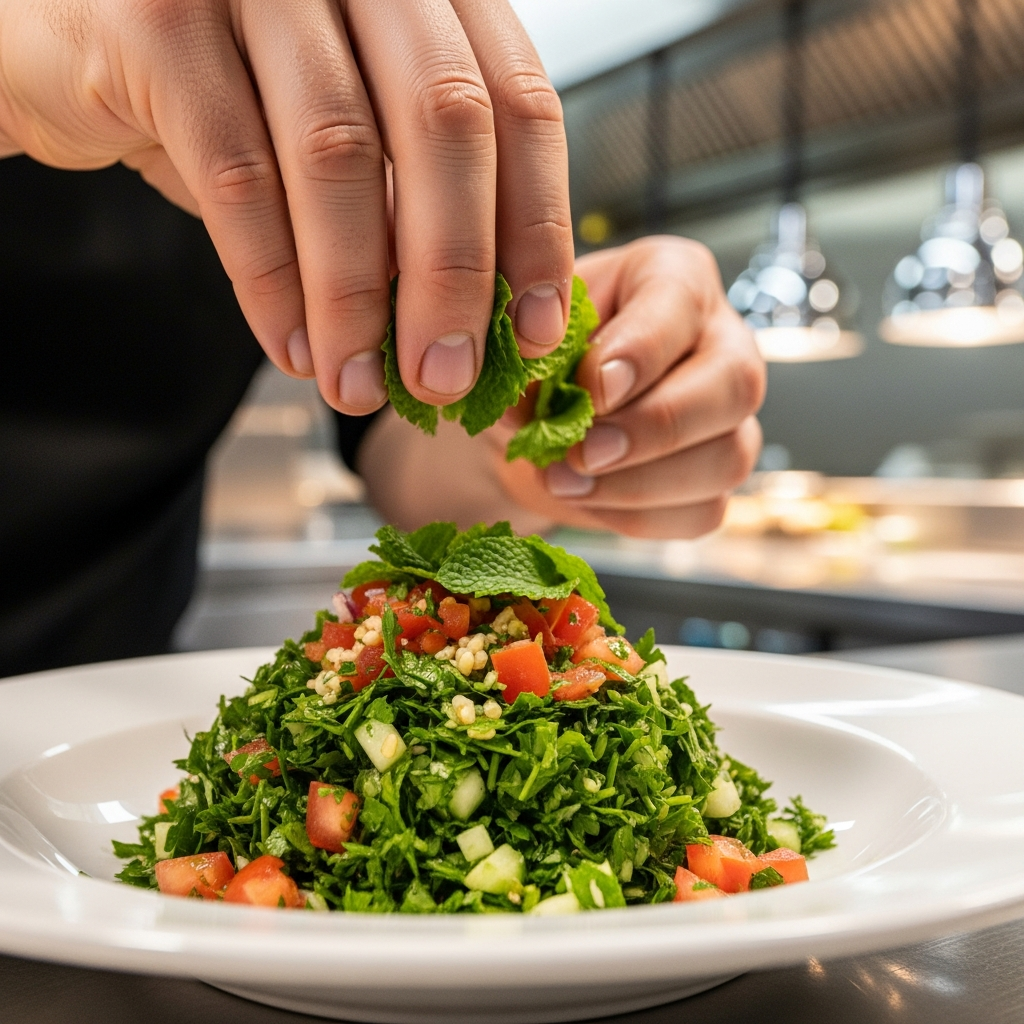
Start with the classic base: abundant flat-leaf parsley chopped into tiny, tender pieces; fine bulgur soaked until it’s soft but springy; tomatoes diced small and drained; mint leaves sliced fine; scallions whisper-thin; and a dressing of fresh lemon juice with extra-virgin olive oil, salt, and a measured hint of garlic. Even without modifications, this bowl offers a lively, satisfying experience that stands confidently alongside heartier mains. Still, vegan diners in Naperville often ask me how to broaden Taboili into a meal-worthy centerpiece that satisfies mixed company—from the most dedicated plant-eater to the omnivore who shows up hungry after a weekend soccer tournament at Frontier Sports Complex.
Building Protein and Staying Vegan
Chickpeas are a natural partner, bringing creaminess and substance without tugging the salad away from its identity. Rinse a can thoroughly, let them dry, and fold them in gently so they don’t crush the parsley. If you have time, roast them with just a breath of cumin until crackly; once cooled, they add texture that plays nicely with the soft nubs of bulgur. Lentils—especially small French or black—also fit beautifully when cooked al dente and cooled. Their earthy depth grounds the lemony notes.
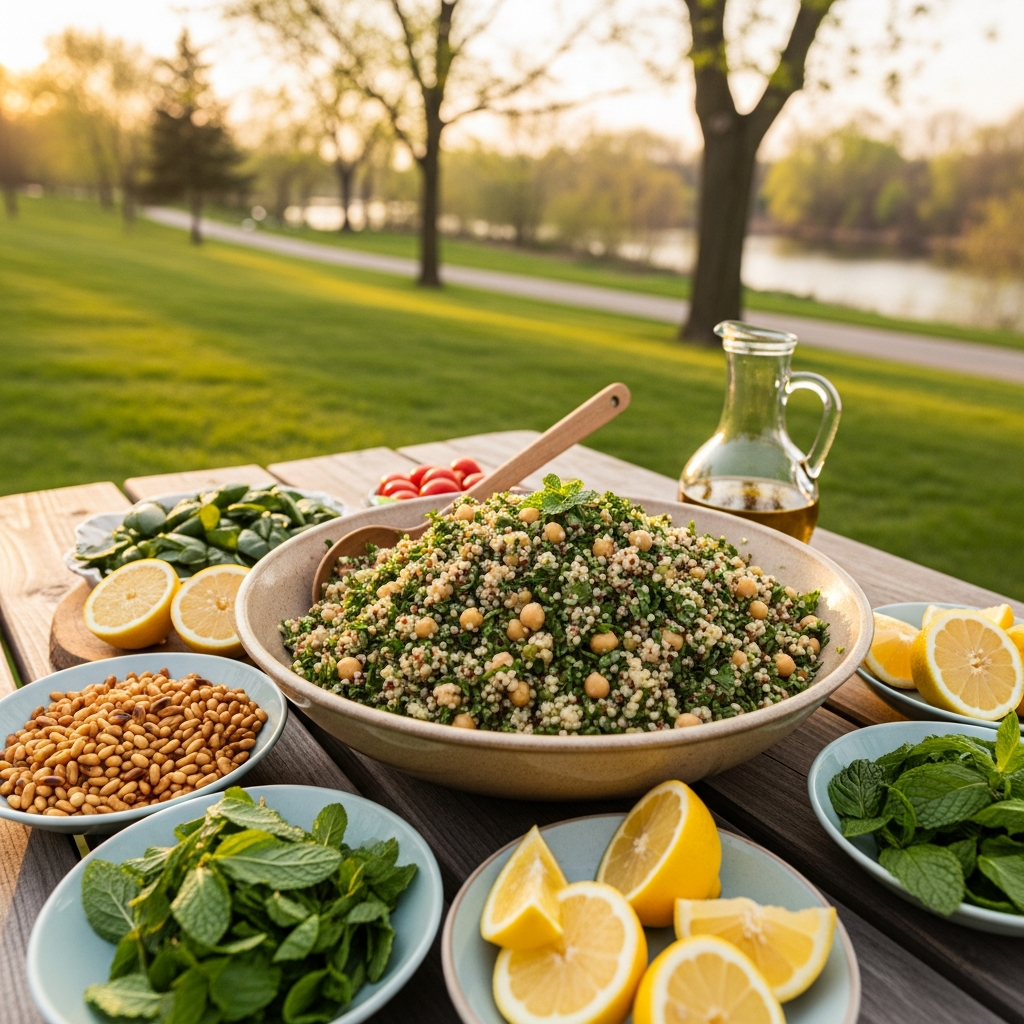
Quinoa is a strong stand-in for bulgur when you need gluten-free, and it can also play alongside bulgur if you want a hybrid bowl with more protein. Cook it lightly, let it steam off, and cool fully. Fluff with a fork and add a little lemon just before folding into the salad so it tastes alive rather than bland. For a different angle, try toasted pine nuts or slivered almonds stirred in at the last minute. They add a toasty perfume that warms the salad without weighing it down, turning a Saturday lunch on the patio into something that lingers in memory.
Flavor Arcs for Every Season
Naperville’s seasons invite subtle shifts. In spring, I keep the salad extra-green with a generous hand of parsley and a little more mint. As summer crescendos, juicy tomatoes take the stage, and I might back off the bulgur slightly so the produce shines. Autumn nudges me toward warmth: a pinch more cumin in the dressing, perhaps a scatter of toasted nuts. Winter calls for sharper lemon and a more generous splash of olive oil to balance heartier mains. Through it all, I respect the salad’s core profile: bright, herbaceous, textural.
If you crave heat, reach for Aleppo pepper or a mild chili flake. Sprinkle sparingly so it lifts rather than dominates. If you long for deeper tang, a dusting of sumac on top delivers a ruby sparkle and a citrusy echo. I’ve noticed that these modest flourishes help Taboili feel tailored to the moment without turning it into a different dish altogether.
Pairing a Vegan Table
When I build a vegan table for friends, I think in terms of contrasts: crisp and creamy, bright and toasty, cool and warm. Taboili readily pairs with roasted vegetables, blistered green beans, and smoky eggplant dips. I often set out a board with olives, pickled turnips, and raw vegetables; the salad ties them together with a green chord that sings. If I’m uncertain about how to round out the plates, I’ll peek at a Mediterranean restaurant’s menu and borrow ideas about texture and temperature contrasts. It’s not about copying; it’s about understanding how professionals create a balanced meal that remains proudly plant-based.
For picnics at the Riverwalk, I pack Taboili in shallow containers so it’s easy to serve and doesn’t compress under its own weight. I keep the dressing in a small jar and toss right before eating if the day is warm. If I need more staying power for a crowd—say, after a chilly autumn walk—I fold in roasted sweet potato cubes that have cooled to room temperature. Their sweetness and soft edges round out the salad’s lemony zing without overshadowing the herbs.
Technique Tips for Peak Texture
Texture is the difference between a good bowl and a great one. Dry your parsley thoroughly after soaking; a salad spinner is invaluable. Chop with intention until the leaves look like confetti. Soak fine bulgur in just-boiled water and drain fully. Dice tomatoes small and drain their juices. Keep mint frugal to avoid turning the salad candy-sweet. Add the dressing in arcs and toss from the bottom up with a light hand; you want sheen on the herbs, not puddles at the bottom of the bowl.
Rest the salad for five minutes after initial seasoning, then taste again. Lemon’s brightness blooms, salt dissolves, and the bulgur pulls in dressing. You might find you need a second, smaller squeeze of lemon to re-ignite the sparkle, especially if you plan to serve the salad cool. Those little pauses—the kind you can afford even on a lively Saturday—make the difference between flavorful and unforgettable.
Entertaining Without Stress
Hosting a vegan-friendly gathering in Naperville doesn’t need to be complicated. Prep the elements of Taboili earlier in the day, keep them chilled and dry, and combine close to serving time. Invite guests to watch as you toss; the sight of glossy green parsley turning fragrant under lemon is its own kind of theater. Because the salad is so fresh, it acts like a palate cleanser alongside richer plant-based dishes. And since it travels well, you can arrive at a potluck knowing you’re carrying something that will be devoured quickly.
If time is short, lean on make-ahead containers: chopped parsley wrapped in towels, bulgur fluffed and cooled, tomatoes drained, dressing in a jar. When you’re ready, it’s a two-minute assembly that tastes like you worked all afternoon. And if you need reassurance on pairings, remember that even the briefest scan of a professional menu can remind you of the powerful simplicity at the core of Mediterranean cooking.
FAQ
Q: Is Taboili naturally vegan?
A: Yes. Traditional Taboili is built from herbs, bulgur, lemon, olive oil, and aromatics, all plant-based. Many pairings are vegan as well, making it ideal for mixed-diet gatherings.
Q: How can I add protein without changing the character of the salad?
A: Fold in chickpeas, al dente lentils, or a small amount of quinoa. Keep additions modest so parsley remains the star and the salad stays sprightly.
Q: Can I make it gluten-free?
A: Substitute fine quinoa for bulgur, or use riced cauliflower for a very light, crisp version. Ensure you cool quinoa fully and pat cauliflower dry to maintain texture.
Q: How long does Taboili keep?
A: Dressed Taboili is best within a day for peak brightness, but it remains delicious for up to three days. For meal prep, store components separately and combine as needed.
Q: What’s the best way to serve Taboili outdoors?
A: Keep ingredients dry, dress lightly just before serving, and store in shallow containers so the herbs don’t compact. Slightly stronger seasoning helps flavors withstand cooler temperatures.
Q: Which herbs besides parsley and mint work?
A: A small amount of dill can add a springlike note, and cilantro offers a different brightness. Use sparingly so they support rather than compete with parsley.
Bring Vegan Brightness Home
Whether you’re preparing a weeknight dinner or a celebratory spread, Taboili carries the meal with freshness and ease. Start with immaculate herbs, respect the grain’s texture, and let lemon lead the chorus. If you’re mapping out a vegan table and want ideas on complementary flavors, glance at a local Mediterranean menu for pairing cues, then trust your own taste. Naperville’s gatherings are generous, and there’s always room for another bowl of green at the center of the table. Toss, taste, and serve—your guests will ask for seconds, and you’ll be glad you made extra.