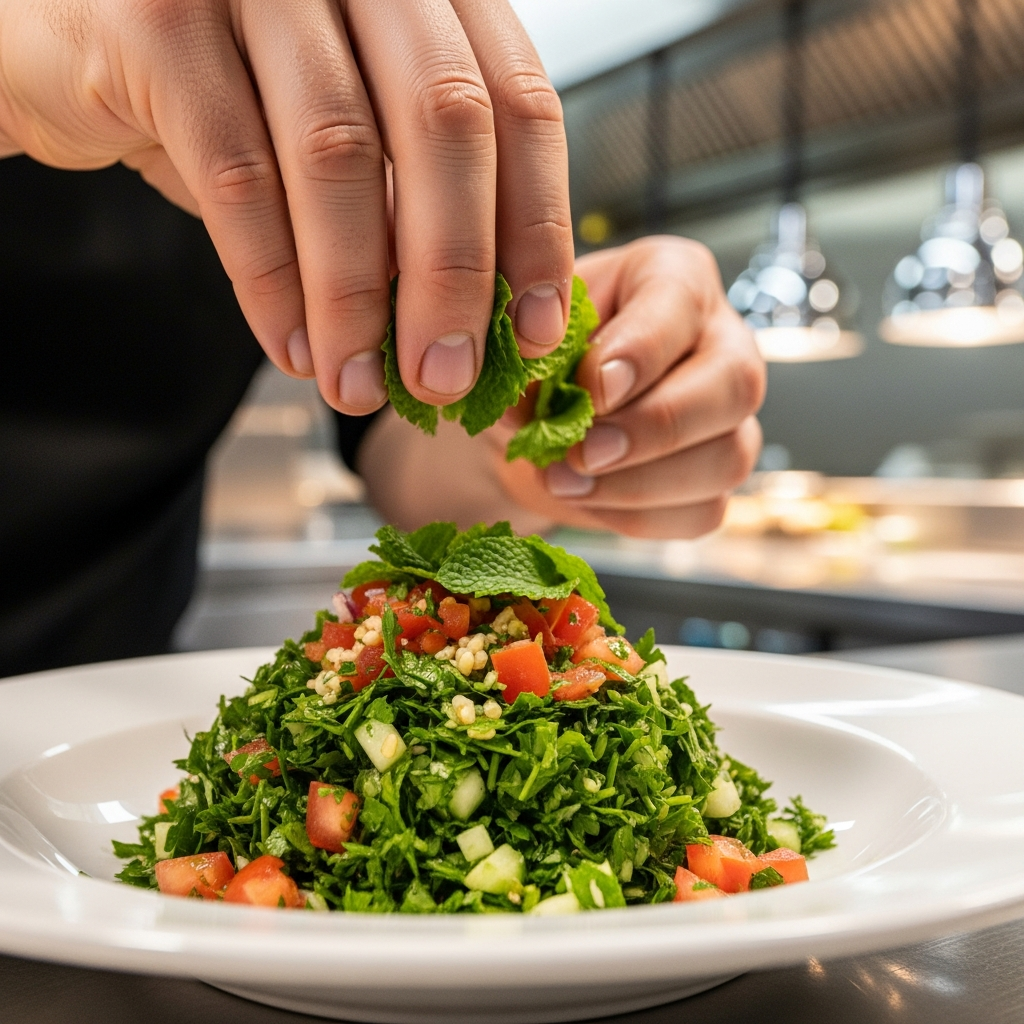
When we talk about how nourishing Taboili can be, it helps to picture an overflowing bowl gleaming with parsley, lemon, tomatoes, and a gentle nudge of grains. In Naperville, where our days shift from school drop-offs to Riverwalk walks and late meetings, this salad has the rare ability to feel both light and sustaining. Understanding what’s in your bowl—how the calories and nutrients stack up, and which smart swaps keep the salad lively—lets you tailor Taboili to your goals without losing the flavors that make it sing. If you’re looking for ideas on how restaurants assemble balanced plates around fresh salads, a glance at a Mediterranean spot’s menu can help you visualize pairings that keep things wholesome and satisfying.
At its core, Taboili is built from ingredients that deliver a lot of payoff for every bite. Parsley contributes vitamins, minerals, and a clean, peppery bite while adding very few calories. Tomatoes bring hydration and natural sweetness; lemon offers brightness without heft; olive oil carries heart-healthy fats; bulgur supplies complex carbohydrates and fiber. When you step back, you realize the salad’s energy largely depends on how you balance oil and grain. That’s good news, because it means small adjustments go a long way without dimming the flavor or changing the character that makes Taboili so craveable.
How Portions Shape the Plate
Calories in Taboili hinge on proportion. A parsley-dominant bowl, lightly dressed, will feel sprightly and low on heft. A grain-forward bowl with a generous pour of oil will feel more substantial. For everyday lunches in Naperville, I favor a herb-centric mix that leans lemony and uses oil with intention. It leaves me energized, not sleepy, for an afternoon of errands along Ogden Avenue or a quick jog near the DuPage River. If dinner needs to do more heavy lifting—say, after a day of shuttling kids to activities—I nudge the bulgur up slightly and add a few spoonfuls of plant protein to turn Taboili into a complete meal.
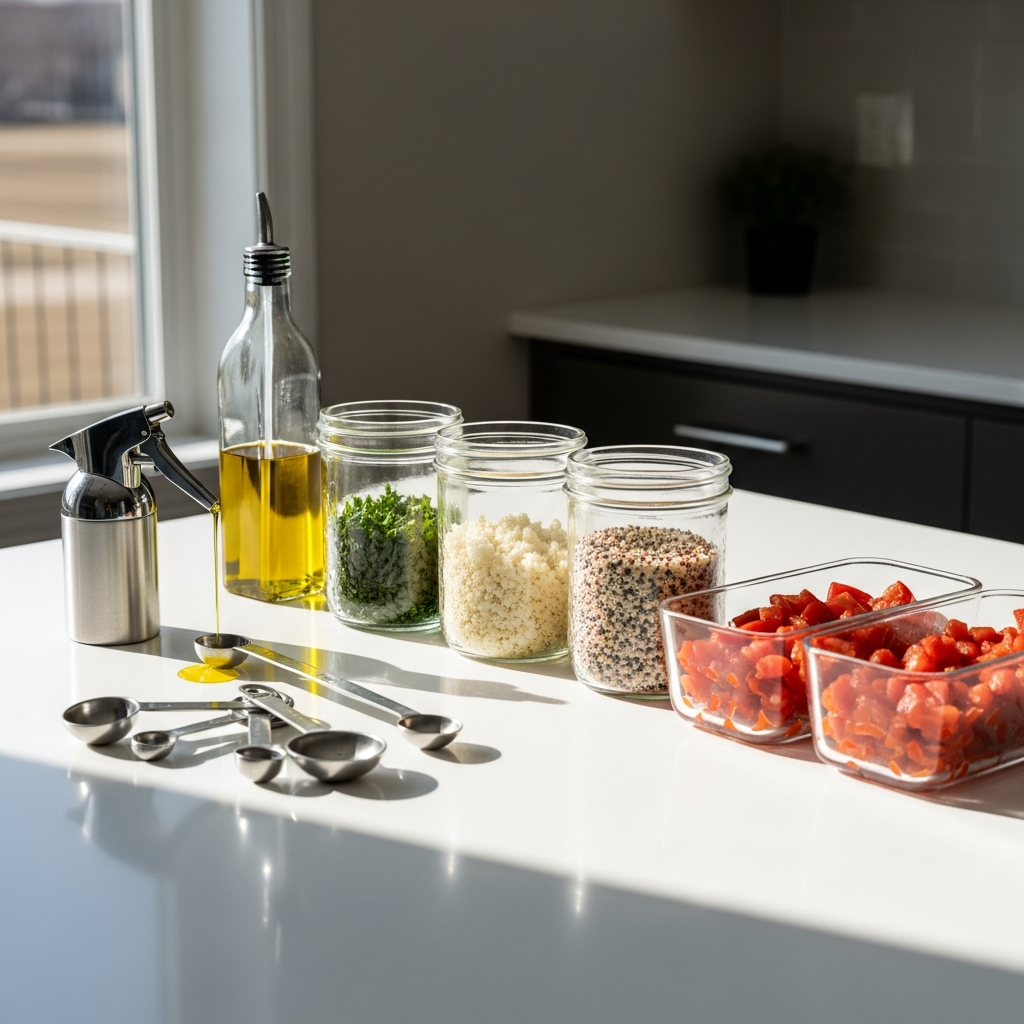
I’m careful with the olive oil not because it’s “bad,” but because it’s potent. A little goes a long way, especially when you’ve dried the parsley thoroughly and drained the tomatoes. Dry ingredients need less dressing to feel luminous. Rather than pouring oil first, I whisk lemon and salt, add oil in a thin stream, and taste as I go. If the salad shines with less, I stop there. The point isn’t austerity; it’s focus. You want each bite to taste of parsley and citrus, with oil adding silkiness rather than weight.
Healthy Swaps That Keep the Spark
If you’re watching calories or tailoring for specific needs, these swaps keep Taboili’s spirit intact while gently nudging the numbers. First, consider the grain. Fine bulgur is traditional and wonderfully quick, but you can replace a portion with extra parsley to shift the ratio greener. For gluten-free, quinoa works well; cook it al dente, cool completely, and use a lighter hand so it doesn’t crowd the herbs. Riced cauliflower is another option, particularly in warmer months when you want crunch and minimal heat in the kitchen. It drinks in lemon beautifully and adds volume with very little caloric impact.
To trim oil without losing satisfaction, lean on technique. Dry everything thoroughly and add dressing in arcs, tossing from the bottom so a smaller amount coats more surface area. If you crave extra silk, a spoonful of aquafaba—the liquid from chickpeas—whisked with lemon before adding oil creates a lighter emulsion that clings to leaves. It’s a quiet trick that keeps mouthfeel lush while gently lowering the dressing’s density. You can also add minced cucumber or extra tomato to increase juiciness without relying on more oil.
Protein boosts transform Taboili into a fuller meal without heavy additions. Chickpeas bring fiber and a comforting creaminess that plays well with lemon. Lentils—especially small varieties—offer staying power while staying low in fat. If you’re training for a 5K along the Riverwalk, consider a blend of bulgur and quinoa to balance slow-burning carbs and extra protein in one bowl. Nuts and seeds are calorically dense but you need very little; a tablespoon of toasted pine nuts sprinkled over the top adds aroma and crunch without overshadowing the parsley’s brightness.
Seasonal Tweaks in Naperville
Our Midwestern climate invites changes that conveniently align with health goals. In spring, when parsley bursts from market stalls, I double down on the greens and keep the grain light. Summer calls for an abundance of tomatoes and cucumbers that add volume and freshness with little caloric load. In fall, when appetites turn heartier, I bolster the bowl with a touch more bulgur and perhaps roasted vegetables cooled to room temperature—think cauliflower florets with a hint of spice. Winter nudges me toward a more assertive lemon and a peppery olive oil that perks up senses dulled by cold air.
Each season also nudges the way I serve. Warmer months favor a lightly dressed salad eaten on the patio, where the lemon’s perfume seems to hang in the air. Cooler months tolerate a tiny bit more oil to keep textures supple when the salad is served slightly chilled. Through it all, I keep the core ratios honest: parsley leads, bulgur supports, lemon sings, and oil provides harmony.
Managing Sodium and Brightness
Part of eating mindfully is recognizing how salt and acid work together. If you’re cutting back on sodium, let lemon do more lifting. A more assertive squeeze of lemon heightens other flavors, allowing you to use a lighter hand with salt. Fresh herbs also trick the palate into feeling more satisfied; their aroma suggests fullness of flavor. When you do add salt, sprinkle evenly and give the salad a brief rest. Salt dissolves, lemon wakes up, and suddenly the bowl tastes livelier without more of either.
Garlic deserves a mention here. Too much and the salad turns sharp; too little and it disappears. For a health-conscious bowl, I keep garlic modest so the dressing remains gentle and you won’t feel weighed down after dinner. If you love the flavor but prefer a mellower edge, rub the cut side of a clove around the inside of the bowl before whisking the dressing—your salad will catch a hint without turning brash.
Portioning for Active Days
Naperville’s calendar keeps many of us moving, and Taboili flexes accordingly. For a light lunch before meetings, I serve a parsley-rich bowl with extra tomatoes and cucumbers. For after a long bike ride along the DuPage River Trail, I’ll spoon Taboili next to roasted vegetables or fold in a handful of chickpeas. On school nights, portioning the salad into wide, shallow bowls makes it feel abundant without relying on larger servings. The herbs’ volume is your friend; it visually satisfies while remaining modest in calories.
Leftovers are a secret weapon for the week. Dressed Taboili softens by day two but remains flavorful. To refresh, add a small handful of just-chopped parsley and a squeeze of lemon. This wake-up call restores color and brightness, making yesterday’s bowl feel new again while keeping your choices aligned with your goals.
Reading a Plate Like a Pro
When you’re navigating healthy choices, it helps to think like a chef assembling a plate. Contrast matters. If Taboili is zesty and green, pair it with something warm and mellow rather than another tart side. This balance keeps you satisfied and less likely to search for something else after dinner. Glancing at a professional menu can reinforce this idea; you’ll notice how bright salads anchor platters with roasted or grilled companions, creating meals that feel complete without excess.
At home, this might look like Taboili beside roasted carrots, a scoop of creamy beans, or grilled vegetables rubbed with spice. Keep the seasoning clean, let the salad carry the sparkle, and you’ll find the sum greater than the parts. Crucially, none of these moves require intricate techniques; they’re simply thoughtful decisions about texture and temperature.
FAQ
Q: How can I make Taboili lower in calories without losing flavor?
A: Increase the parsley-to-grain ratio, drain tomatoes well, and use a lighter hand with oil by whisking a strong lemon-forward dressing. Consider aquafaba to help the dressing emulsify and cling without extra fat.
Q: What’s a good gluten-free swap for bulgur?
A: Quinoa is reliable if cooked al dente and cooled. Riced cauliflower also works for an ultra-light, crunchy version that drinks in lemon flavor.
Q: How do I portion Taboili for an active day?
A: For pre-workout, keep it light with extra vegetables; post-workout, add chickpeas or lentils for protein and staying power. Adjust oil slightly upward if you need more energy density.
Q: Can I make a big batch for the week?
A: Yes. Store components separately—chopped parsley dry, bulgur fluffed and cool, tomatoes drained, dressing capped. Combine as needed to maintain freshness and control portions.
Q: Any tips for reducing sodium?
A: Lean on lemon and herbs. Season lightly, rest the salad for a few minutes, and taste again; you’ll often find the flavors blossom without extra salt.
Q: What if my salad tastes flat?
A: It likely needs more lemon and a pinch of salt. Add in small amounts, toss, rest for two minutes, and taste again. Fresh parsley can also revive a tired bowl.
Bring Balance to Your Table
Healthy eating in Naperville doesn’t have to be complicated. With Taboili, small choices shape the experience: a generous hand with parsley, a measured pour of oil, and a bright squeeze of lemon that lets the salad sparkle. If you want pairing ideas to keep your meals satisfying and sensible, take a cue from a Mediterranean restaurant’s menu, then build your own plate at home. Gather your favorite people, toss a bowl that tastes like sunshine, and enjoy the way good choices add up—one vibrant forkful at a time.