There’s a special comfort in making chicken shawarma at home in Naperville. Maybe it’s the familiar rhythm of our week—school runs along 95th Street, an evening soccer practice by Frontier Park, or a long walk on the Riverwalk—paired with the reward of something warmly spiced and deeply satisfying. When you craft shawarma in your own kitchen, you can tune every element to your taste: the brightness of lemon, the warmth of cumin and coriander, the gentle kick of paprika, and the kind of garlic sauce that sings without overpowering. This recipe-style guide is written for local home cooks who want results that feel restaurant-worthy, even on a Tuesday. And if you like brainstorming combinations in advance, a quick glance at a well-organized shawarma menu can inspire how you’ll build your plate—wrap, rice bowl, or family-style platter.
Chicken shawarma shines because it is forgiving and expressive. You can marinate early in the day, roast in the evening, and slice just before serving, letting the aroma fill the house while the kids set the table. You don’t need a vertical rotisserie to get close to the hallmark flavor; with thoughtful seasoning and a hot oven or grill, you can coax those tender, caramelized edges that make shawarma so craveable. The method below focuses on what really matters: balanced marinade, smart heat, and a finish that brings everything together at the last moment.
Building a balanced marinade
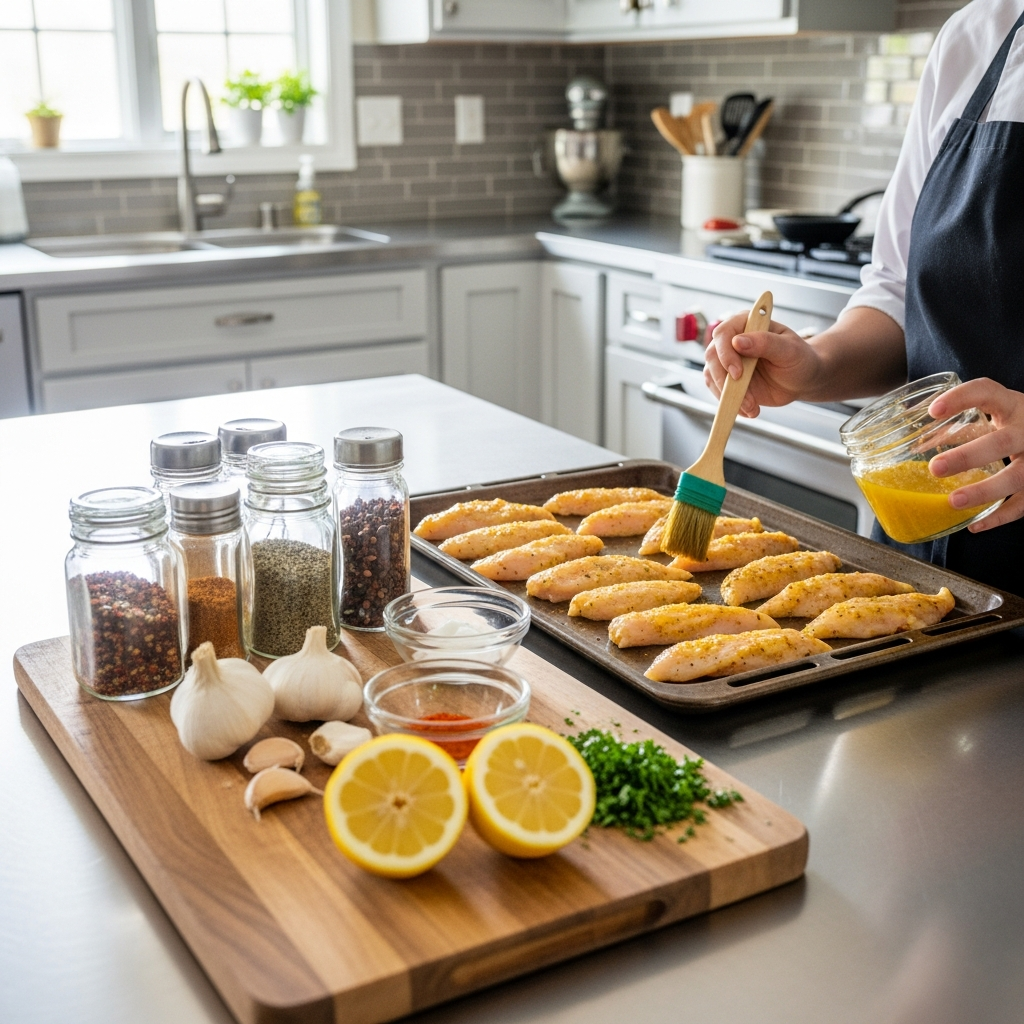
Think of the marinade as both a tenderizer and a flavor map. Start with an acidic base to relax the protein—fresh lemon juice is classic, and a splash of vinegar can add a clean backbone. A spoonful of yogurt (Greek-style works well) brings gentle tang and helps spices cling, but if you avoid dairy, olive oil alone still carries flavor beautifully. Garlic should be present but not raw-tasting; mince it fine or grate it into a paste. For spices, layer cumin and coriander first, then add paprika for color and gentle warmth, turmeric for a golden hue, and a whisper of cinnamon or allspice to round the edges. A touch of black pepper and a pinch of salt complete the picture. Whisk until the mixture is cohesive and fragrant.
Chicken thighs are forgiving and remain juicy, but well-trimmed breasts can work if you marinate long enough and avoid overcooking. Slice the meat into broad strips so more surface area meets the heat. Toss thoroughly in the marinade, cover, and chill. One to four hours is practical for weeknights; overnight deepens the flavor without turning aggressive. When you open the container, you should smell brightness and spice—not sharpness. That’s your sign the balance is right.
Oven roasting in a Naperville kitchen
A hot, well-preheated oven is your best ally. Set a baking sheet in the oven as it heats to 425°F so the metal is searing hot when the chicken hits it. If you have a wire rack, place it over the sheet; the airflow crisps the edges. Spread the marinated pieces in a single layer, shaking off excess marinade so they roast rather than steam. About 18 to 24 minutes will get you close, depending on thickness; what you want to see are bronzed edges and juices that run clear. For a char-kissed finish without a grill, switch to broil for the last minute or two, keeping a close eye to prevent scorching.
While the chicken roasts, warm your pitas. A dry skillet on medium heat works, or you can wrap them in foil and slip them into the oven’s final minutes. A warm, flexible pocket makes assembly easier and keeps juices where they belong. Set out simple sides—thinly sliced onions tossed with lemon, crisp cucumber, chopped tomatoes, and bright herbs. In Naperville’s winter, when tomatoes are gentle rather than explosive, lean on parsley and a squeeze of citrus to keep everything lively.
Grilling when the weather plays nice
On those blue-sky afternoons when the DuPage River Trail is crowded and you can smell backyard charcoal through the neighborhood, take your shawarma outside. Oil the grates, heat to medium-high, and lay the marinated strips across with a little breathing room. You’re looking for quick color and a steady sizzle, about 3 to 4 minutes per side depending on thickness. Move pieces to a cooler zone if they color too fast. Rest the chicken briefly after grilling, then slice into thin ribbons across the grain so each bite feels tender and layered with char.
Skillet shortcuts for busy nights
If weeknights feel compressed, a heavy skillet earns its keep. Heat a film of oil until it shimmers and cook the chicken in batches, letting edges caramelize. Don’t crowd the pan; give each piece time to sear before turning. A squeeze of lemon over the final batch lifts the flavors and mimics the brightness you’d get at the counter when a cook hits your wrap with a last-minute flourish.
Garlic sauce that belongs on everything
Balance is the key. For a quick, creamy sauce, whisk together mayonnaise, lemon, grated garlic, a pinch of salt, and a trickle of cold water until it turns velvety and spoonable. If you prefer a classic oil-and-garlic emulsion, blend fresh garlic with lemon and salt, then drizzle in neutral oil slowly until it thickens. Either way, taste for brightness; the sauce should cut through the richness, not cloak it. In Naperville’s colder months, I like a little extra lemon to lift the palate.
Assembling wraps and bowls
Lay warm pita on a board and paint a stripe of garlic sauce down the center. Add a tumble of sliced chicken, then tuck in pickles for snap and tomatoes for juiciness. A sprinkle of parsley brings freshness. Roll snugly—bottom up first to catch drips, then sides in. For bowls, nestle chicken over rice, ring with salad, and spoon on tahini or garlic sauce. If you want heat, add it in layers so the first bite isn’t the only exciting one.
Making it feel local
Naperville cooks love a spread—platters that invite everyone to build their own. Put the roasted chicken on a warm plate, set out pitas wrapped in a towel, and offer sides in small bowls. On summer evenings, you might carry everything to a backyard table and let the aromas mingle with cut grass and the last heat of the day. In winter, serve near the kitchen island and let the oven’s residual warmth make the room feel like a small, lively café.
Troubleshooting with confidence
If your chicken seems pale, your oven probably wasn’t fully preheated or the pan was crowded. Next time, heat the tray longer and spread pieces farther apart. If the garlic sauce tastes harsh, give it a few minutes to mellow or blend in a little more lemon. When the meat tastes too sharp, reduce the acid in the marinade or shorten the soaking time. As you iterate, you’ll find the sweet spot that tastes exactly right to you and yours.
Inspiration from the pros
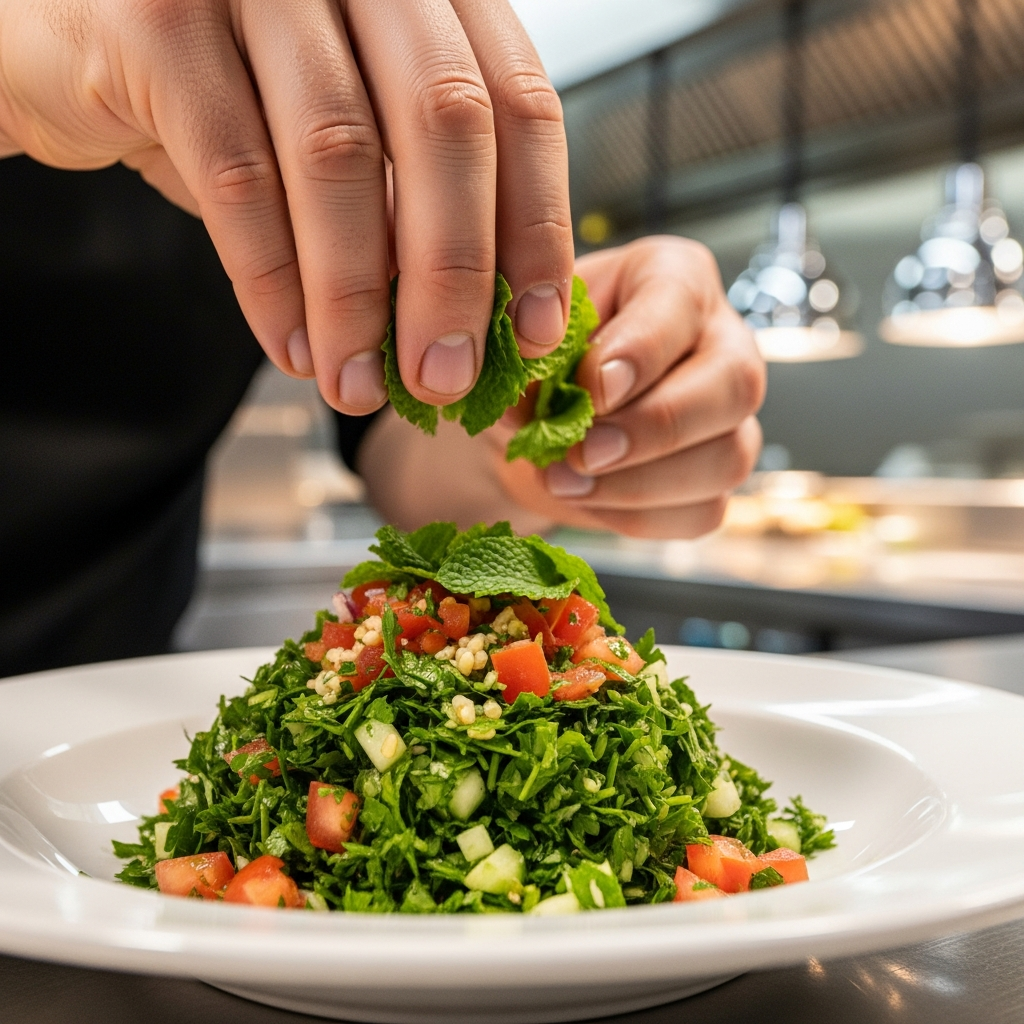
When you hit your favorite Naperville counter, watch how the cook finishes each order—the quick toast on the bread, the restraint with sauce, the handful of herbs. Professionals understand tempo, and that same attention to small steps transforms home cooking. If you like experimenting with combinations, browse a concise menu to borrow ideas for sides and pairings—maybe add roasted vegetables in the fall or a crisp salad heavy on cucumber and mint when summer peaks.
Frequently asked questions
Can I make chicken shawarma without yogurt?
Yes. Olive oil, lemon, and spices form an excellent dairy-free marinade. The texture will be slightly different, but careful roasting or grilling keeps the meat tender and flavorful.
What cut of chicken works best?
Thighs are most forgiving and stay juicy, but well-trimmed breasts work if you control heat and avoid overcooking. Slice into broad strips for even cooking and plenty of browned edges.
How long should I marinate?
One to four hours is practical for most schedules. Overnight deepens flavor, but avoid more than a day so acidity doesn’t overwhelm. If you’re in a rush, even 30 minutes at room temperature helps the spices settle in.
What’s the best way to reheat leftovers?
Use a hot skillet for a quick sear or a 375°F oven for a few minutes to rewarm without drying. Avoid microwaving if possible; it softens textures and mutes the spice profile.
How do I keep pitas soft?
Warm them briefly in a dry skillet or wrapped in foil in the oven, then keep them in a towel to trap steam. If storing for later, freeze and reheat to preserve freshness.
Can I prepare components ahead?
Absolutely. Marinate the chicken the night before, whisk sauces in the morning, and chop garnishes close to serving time. Assembly becomes effortless when each part is ready to go.
Bring your home shawarma to life
Set your plan, trust the process, and enjoy how good your kitchen can smell on any weeknight. When you want fresh ideas for sides and combinations, skim a focused menu, pick a pairing that excites you, and make tonight’s wrap the best one yet in Naperville.