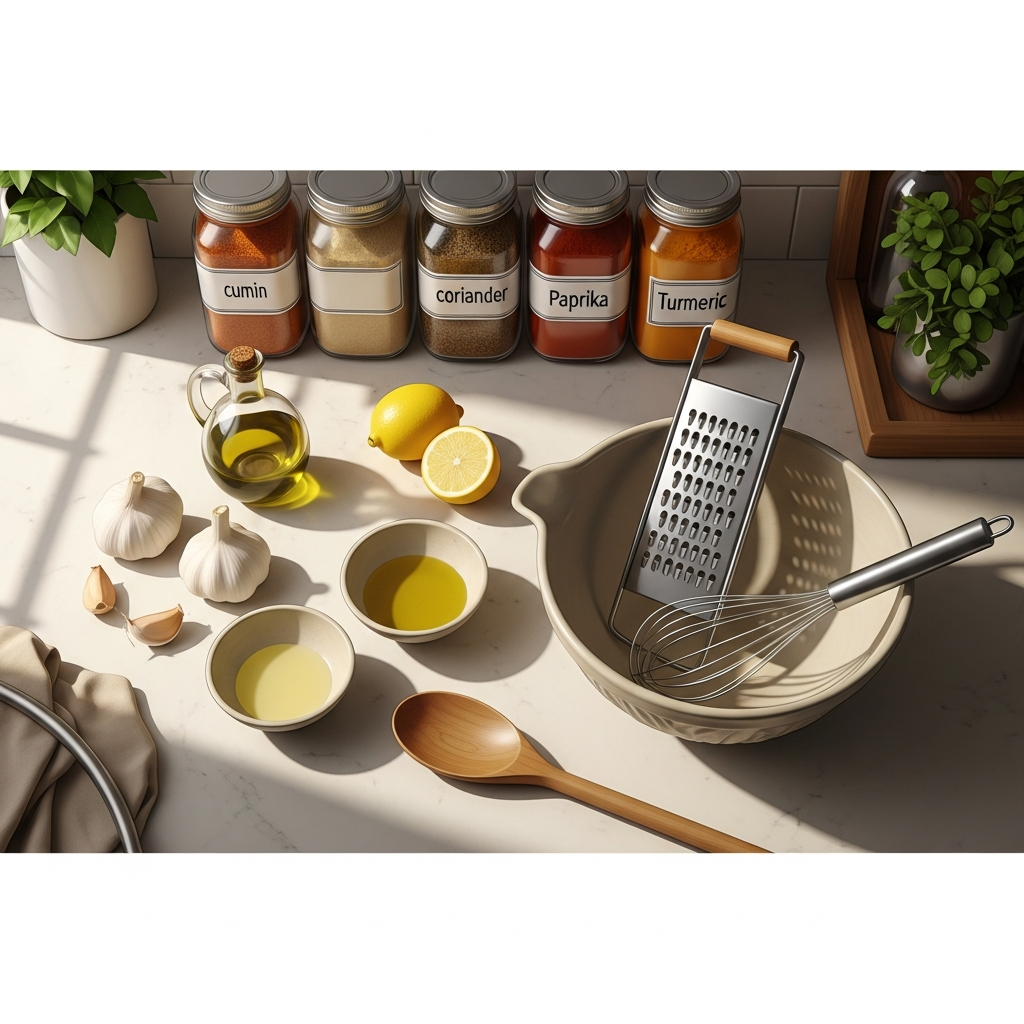
There’s a reassuring kind of magic in opening your pantry in Naperville and realizing you already have everything you need for a proper shawarma marinade. A lemon on the counter, a small jar of cumin you’ve used for chili, coriander that brightens your roasted carrots, a familiar tin of paprika, maybe turmeric left from a golden milk kick last winter—layer those with garlic and a splash of olive oil and you’re most of the way there. In a city where weeknights move quickly along Washington Street and weekends swirl between the Riverwalk, sports fields, and backyard gatherings, a marinade that’s big on flavor and low on fuss becomes a week-to-week essential. And if you like taking cues from restaurant pairings before you mix your spices, a quick pass through a clear, well-organized shawarma menu can spark ideas you’ll recreate at home.
At its best, a marinade does two jobs: it tenderizes and it maps flavor. Shawarma’s genius lies in the way warm spices, acidity, and a little fat work together so the meat browns beautifully but stays juicy inside. You don’t need a specialty blend to approach that effect; most Naperville pantries hold the keys already. The trick is balance—enough lemon to brighten, enough cumin and coriander to build a savory base, a supporting cast of paprika and turmeric for color, and a whisper of cinnamon or allspice to round the edges. Once you grasp the ratio, you can scale it for chicken, beef, or even roasted vegetables without rewriting your grocery list.
Start with what you have
Before you head to the store, scan your shelves. If you have ground cumin and coriander, you are well on your way. Paprika adds warmth and color; if you have both sweet and smoked, blend them to taste, but even a basic jar does the job. Turmeric adds golden hue and earthiness; you need only a pinch or two. A small amount of cinnamon or allspice deepens the profile, creating that “can’t-quite-place-it” warmth that feels like shawarma. Garlic, whether fresh cloves or a good-quality powder in a pinch, brings the signature aroma that lifts everything else.
Acidity and fat: the tenderizing team
Lemon juice is classic for brightness. If you’re short on lemons, a splash of apple cider or white wine vinegar fills the role, backed by olive oil to carry fat-soluble flavors and keep the meat moist. For chicken, a spoonful of yogurt softens edges and helps spices adhere, though olive oil alone works if you prefer dairy-free. For beef, lean more on olive oil and acidity, giving the marinade time to gently work its way in.
Ratios you can remember
For a pound of protein, start with two tablespoons of lemon juice, two tablespoons of olive oil, two teaspoons of cumin, one and a half teaspoons of coriander, a teaspoon of paprika, half a teaspoon of turmeric, and a pinch—truly a pinch—of cinnamon or allspice. Add two to three cloves of grated garlic, a half teaspoon of black pepper, and salt to taste. Whisk until cohesive and deeply fragrant. If the mixture tastes sharp, soften it with an extra drizzle of olive oil; if it feels flat, an extra squeeze of lemon or a pinch more cumin usually brings it into focus.
Adapting to the seasons
Naperville’s weather nudges how we cook. In summer, when grills are hot and evenings run long, you can keep marinades a little lighter and lean on citrus to cut through the smoke. In winter, as we gather around the oven’s warmth, a yogurt-enriched marinade with an extra pinch of paprika feels cozy and full. If tomatoes aren’t at their peak, use more parsley or fresh herbs for brightness; if herbs are scarce, let lemon and garlic lead the way.
Method matters as much as mix
However perfect your ratio, results depend on how you treat the meat. Slice chicken into wide strips so more surface area meets the heat. Pat beef dry before marinating, then rest it at room temperature briefly before cooking so it sears instead of steams. Heat matters: a ripping-hot pan, a preheated oven sheet, or clean, oiled grill grates create the browning that defines shawarma’s craveable edges. When you finish, let the meat rest a few minutes; slicing too soon spills juices you worked hard to keep.
Vegetable shawarma, too
On nights you go meatless, this pantry-friendly marinade does excellent work on cauliflower florets, thick-sliced zucchini, or mushrooms. Toss generously, roast hot until edges caramelize, and finish with a squeeze of lemon. Pile the vegetables into warm pita with tahini and herbs, and you have a satisfying wrap that feels at home at any Naperville table.
Sauces and sides from the same shelf
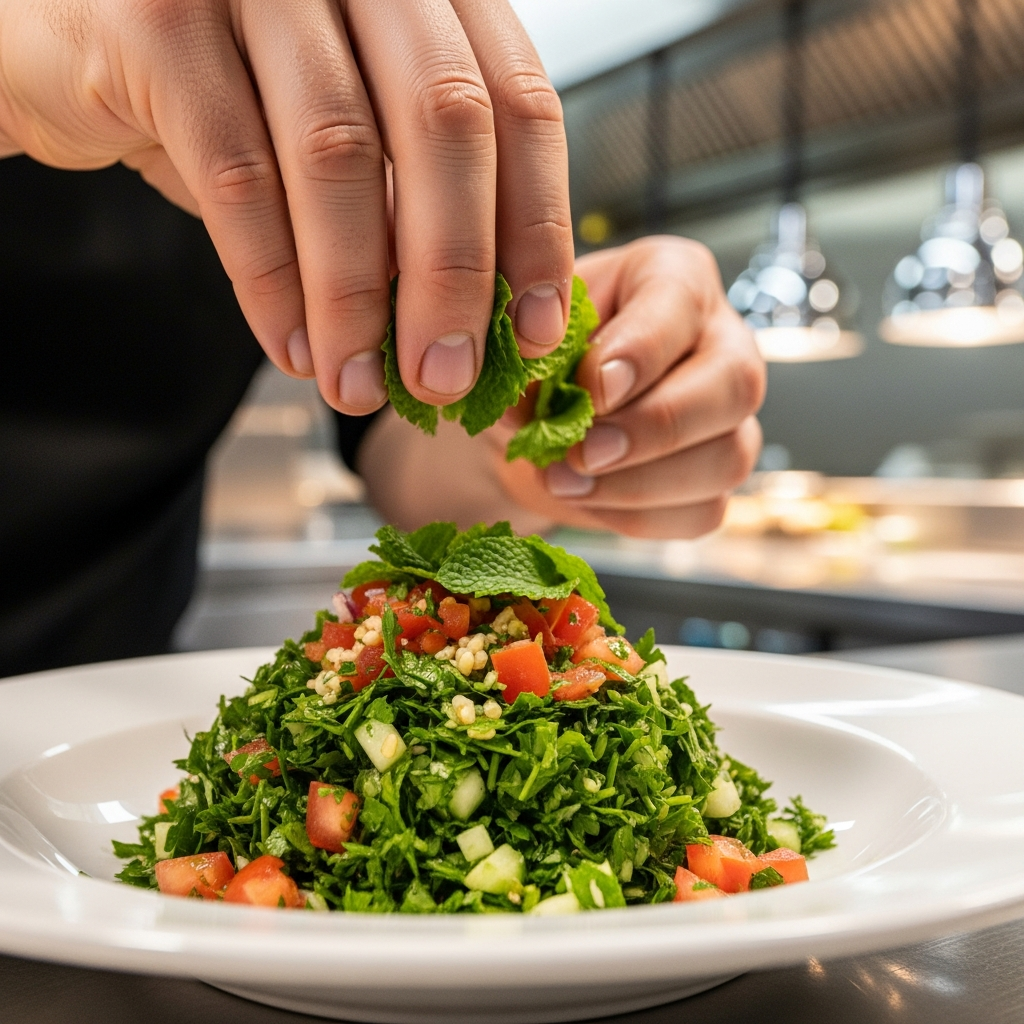
You can craft complementary sauces without a special trip. Whisk tahini with lemon, water, and salt until it loosens and turns pale and silky. For a quick garlic sauce, stir mayonnaise with grated garlic, lemon, a pinch of salt, and just enough cold water to achieve a spoonable texture. Add crisp elements you likely have—cucumber, onion, and whatever herbs are lingering in the crisper—and you’re set for wraps, bowls, or platters.
Smart substitutions when you’re out of something
No coriander? Use a little extra cumin and a pinch of ground fennel if you have it. Low on paprika? A tiny bit of chili powder rounds warmth without pushing heat too high. If you’re missing turmeric, skip it; color helps, but flavor rules. For lemon, swap in mild vinegar and a touch of zest from any citrus you have on hand. The goal is balance, not perfection.
Make-ahead moves for busy weeks
Marinade scales beautifully. Mix a double or triple batch on Sunday and store it in a jar in the fridge. It keeps flavor true for several days and makes weeknight cooking mostly a matter of opening the door and tossing protein or vegetables to coat. You can even freeze portions of marinated chicken; as it thaws overnight, the spices settle deeper, and dinner practically makes itself.
Borrowing ideas from restaurant pairings
If you’re ever stuck for inspiration, scan a focused menu to spot combinations you can riff on at home—garlic sauce with pickles and parsley for a bright wrap, or a platter that leans on rice, salad, and grilled vegetables. You’ll start to notice how often balance shows up: something creamy, something crunchy, something acidic. That’s the restaurant logic you can copy with your pantry in minutes.
Frequently asked questions
How long should I marinate for best flavor?
One to four hours is a reliable window for chicken; overnight is fine if you keep acidity moderate. For beef, a few hours gives the spices time to bloom. Vegetables need less time—often just while the oven preheats.
Can I make a dairy-free marinade that still tenderizes?
Yes. Use lemon or mild vinegar plus olive oil, and consider adding a tablespoon of aquafaba (the liquid from chickpeas) for cling and moisture. The result is flavorful and juicy without yogurt.
What if my spice jars are older?
Warm them gently in a dry pan for 30 seconds to reawaken aroma, then add to the marinade. If the fragrance is weak even after toasting, increase the amounts slightly until the mix smells vibrant.
How do I avoid a harsh, acidic taste?
Balance with fat and time. Add a touch more olive oil, reduce lemon or vinegar slightly, and don’t marinate too long. A quick sear or a broil at the end rounds flavors by caramelizing natural sugars.
What proteins work with this pantry marinade?
Chicken thighs or breasts, beef strips, and even firm tofu take well to the blend. Adjust marinating time to the protein’s density and keep the cooking surface hot for best browning.
Can I prepare the marinade in bulk?
Absolutely. A jar of premixed spices and a small bottle of lemon-olive oil mix turn dinner into a 10-minute task. Shake, pour, toss, and you’re on your way to shawarma any night of the week.
Ready to turn pantry staples into dinner?
Trust your senses, lean on balance, and let the aroma guide you. When you want fresh pairing ideas to match your marinade, browse a clear, reliable menu, choose a combination that excites you, and bring a little restaurant polish to your Naperville kitchen tonight.